• Home
  • Blog
  • About
  • Resources
Menu

Owen Bargreen

  • Home
  • Blog
  • About
  • Resources
Chalk Hill owner Bill Foley owns 13 wineries worldwide. He is one of the bigger players in California wine.

Chalk Hill owner Bill Foley owns 13 wineries worldwide. He is one of the bigger players in California wine.

Chalk Hill

August 13, 2015

Chalk Hill

A few weeks back I had the opportunity to visit the historic estate at Chalk Hill. Founded in 1972, their tasting room overlooks their beautiful and picturesque vineyards. The long journey through their impressive tasting lineup was guided by a former Gonzaga University professor who decided to move to the Sonoma area after a long career of teaching.  Proprietor Bill Foley is one of the bigger names in California wines. The University of Washington law school grad (1974) has amassed 13 wineries all over the world, including Chalk Hill estates. Chalk Hill is particularly known for their Chardonnay and they poured three of their famous Chardonnays side by side to see the difference in flavor profile based on the clones. 

Their 2012 reds were rich, tannic and nowhere near drinking window but hit you in the head with intensity and depth. Named after their proprietor, their $160 retail 2012 William Foley Cabernet has potential to be a magnificent wine, with classic blackberry and creme de cassis flavors. Many Chalk Hill wines aren't distributed in the northwest but you can find their Sauvignon Blanc and Chardonnay at northwest wine shops, some QFCs and higher end supermarkets like Metropolitan market. Here are some of the fantastic new releases from Chalk Hill. 

 2012 Chalk Hill North Slope Pinot Gris-The winery only bottling was made with neutral oak, but you wouldn’t tell that from the nose. In the glass you notice aromas of buttered toast, pear and golden delicious. Nice minerality that leads to flavors of pear, red delicious and lychee. The brightness of this wine stands out. -90

 2013 Chalk Hill Estate Sauvignon Blanc- One of their more famous bottlings that is a lovely expression of Sav Blanc and one of the best in the valley. The nose opens with gooseberry and grapefruit which leads to bright acidity and rich mouthfeel. Flavors of green apple, grapefruit and lemon zest persist in this nicely layered wine. This is one to buy by the case. -92

 2013 Chalk Hill Estate Chardonnay- This is their most popular bottling of Chardonnay that is comprised of a combination of 16 clones of Chardonnay. The wine opens with aromas of buttered popcorn, pear and golden delicious apple. Nice density and weight, leading to flavors of pineapple, pear and golden delicious with brioche. Like their Sav Blanc, this is nicely balanced with minerality. Drink now.  -92

 2012 Chalk Hill Chardonnay Clone 17-This one is a winery only bottling that has a different, more earthy, nose than the Estate bottling. The aromas are reminiscent of has mushroom, and forest floor, alongside golden delicious and pear. Exceptional brightness in this mineral driven effort. Nice richness on the mouthfeel, leading to flavors of golden delicious, pear and a long cream finish. This is one of the best Sonoma Chardonnay bottlings I’ve sampled this year. Drink now. -94

 2012 Chalk Hill Chardonnay Clone 809- Somewhat atypical to both the other Chards, the wine has more of a tropical fruit nose that reminds of me apricot, pineapple and some golden delicious apple. Generous mouthfeel with good persistence, leading to flavors of pineapple, golden delicious and a long cream finish. Nice richness and depth from this wine that is a slight step behind its Clone 17 counterpart. -92

 2013 Chalk Hill Rose- This 250 case production, winery only bottling, was made from Malbec from their estate vineyard and is probably the only wine from Sonoma that I’ve had made from that varietal. The wine opens with aromas of  mushroom, strawberry starburst and guava. Good mineral backbone, leading to more simplistic flavors of pear, red delicious, watermelon. A great summer sipper. -88

 2012 Chalk Hill Russian River Pinot Noir- This bottling has a more fruit driven nose and flavor profile than its Mount Eden Clone counterpart. There are classic Sonoma Pinot aromas of raspberry, cherry cola and lavender. Nice mineral backbone on the mid-palate, which leads to flavors of nutmeg, cherry cola and raspberry. This bottling impresses for the price.Drinking great now, drink 2015-2022. -92

 2013 Chalk Hill Mount Eden Clone Pinot Noir- This is their winery only bottling that is a more herbaceous showing. Aromas of raspberry and dried herbs on the nose with red cherry perisist. Great acid backbone leading to delicious flavors of red currant, raspberry and cran-cherry. Not a cherry bomb and needs a bit of time. Drink 2016-2024 -91

 2013 Chalk Hill Zinfandel- Zin from the Russian River Valley that saw 10 months in nearly 60% new French oak. This Zin is not widely distributed but impresses nonetheless, weighing in at 15% alcohol. The wine has a nice dark color that leads to aromas reminiscent of blackberry, bramble and raspberry. Flavors of raspberry, black cherry and strawberry jam persist. Nice minerality, as this is fruity but balanced and can improve with another year in the cellar. Drink 2016-2023. -91

 2012 Chalk Hill Clara's Vineyard- This is a Cabernet dominant wine, blended with 20% Petite Verdot and 20% Malbec. The wine is a dark purple that opens with aromas of creme de cassis, mocha, the classic Sonoma profile. Flavors of mocha, creme de cassis and anise persist with nice depth and richness.  This dense wine is a sleeping giant that needs a ton of time. Drink 2020-2030 -94

 2011 Chalk Hill Estate Red-  Interesting blend here with 47% Malbec, 28% Cabernet, 12% Petite Verdot, 11% Syrah and 3% Carmenere, as they elected not to use any Merlot. One of the few Malbec dominant blends I’ve ever had from Sonoma. This wine is from a more difficult vintage and is done in a more restrained style. The nose opens with aromas of creme de cassis and blackberry. The palate is shut down and will need at least two years for the fruit to fully integrate. There are flavors of blackberry, anise along moderate tannins I’d cellar this one for a while but this wine is showing good potential despite the colder vintage. Drink 2019 on. -92

 2012 Chalk Hill William P. Foley Cabernet-  This is Chalk Hills most esteemed Cabernet wine. This is a dense Cabernet that will need a ton of time to fully come together. There are wonderful aromas of graphite and blackberry with creme de cassis. The depth and richness is there. Flavors reminscent of blackberry, graphite and creme de cassis persist. A sleeping giant. Drink 2019-2030 -95


Comment
Head winemaker at Rasa and super smart man, Billo Naravane

Head winemaker at Rasa and super smart man, Billo Naravane

Rasa Vineyards

August 11, 2015

Rasa Vineyards

This Walla Walla wine story begins with two wine collectors and oenophiles, Pinto and Billo Naravane. These guys decided to quit their jobs in the computer industry and move to Walla Walla, where they started Rasa Vineyards in 2007.  What they’ve created is some exceptional, terroir driven wines. Billo Naravane serves as head winemaker and is one exceptional man, having a bachelor’s degree from MIT and a master’s degree from Stanford. His wine education is the one of the best out there as well, completing the wine program from UC Davis. It’s no wonder that this incredibly smart man makes some great wine.

I was first introduced to Rasa casually a year ago at a blind tasting. My first bottle of 2007 QED really has that ‘wow’ factor with an incredibly rich flavor profile but wonderful smoothness. I recently had the chance to try some other wines and they impressed as well. As a boutique producer, Rasa is pretty difficult to find. You have to check their online store at rasavineyards.com or at specialty Northwest wine shops like Esquin. Here are the fantastic wines that I have tried from Rasa.

2013 Rasa Chardonnay-This has lighter aromatics with light pear and apple on the nose. Nice mouthfeel and acid structure. There are flavors of brioche, red delicious and starfruit that connect the lively acidity. Refreshing. Drink 2015-2018 -90

 2007 Rasa QED- This has 94% Syrah with the rest Grenache. Very perfumed nose with anise and red cherry, alongside red raspberry, red cherry, pomegranate and blackberry flavors. Smooth and memorable wine that impresses and gives you that ‘wow’ factor. Restrained but balanced. This seamless wine is one of the best of its style. Drink 2015-2020. -95

 2009 Rasa QED-This is their Syrah dominant blend that impresses, once again. Nice richness, viscosity and mouthfeel with aromas of dark cherry, blackberry and chocolate cake. This dense wine brings flavors of blackberry, creme de cassis and coffee on the mid-palate. Like the 2007, this is a delicious and layered wine that is tough to resist now. Drink 2015-2022. -94

Comment
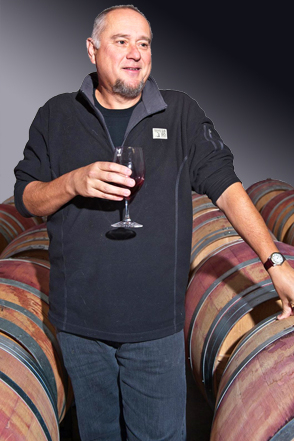
Master somm, Chris Harrington, owner and head winemaker at Gramercy Cellars

Master somm, Chris Harrington, owner and head winemaker at Gramercy Cellars

Gramercy Cellars

August 7, 2015

Gramercy Cellars
A winery built on showcasing great Washington terroir, Gramercy has hit a high mark with its recent set of releases. Founder, winemaker and master sommelier, Greg Harrington, focuses on crafting Rhone and Bordeaux varietals, sourced from some of the best vineyards in the state. Harrington incredibly passed the master sommelier exam at the age of 26 in 1996, which is a considerable feat considering there are just 130 master somms in the world.
Harrington's winemaking philosophy is to choose the best fruit from the best vineyards and to utilize moderate ripeness with minimal intervention and minimal oak. The resultant wines are some of the best Rhone varietal efforts that I’ve tried. Particularly the 2012 ‘The Deuce’ Syrah was a showstopper of great terroir and finesse. Also look for the 2012 GSM Blend which impresses with its pretty array of red fruits and rich and refined mouthfeel. Check these impressive new releases out at gramercycellars.com

2012 Gramercy Cellars Columbia Valley Syrah- This fruit is sourced from 4 vineyards, the Minick and Olsen in Columbia Valley and the SJR and Stony Vine in Walla Walla. This was aged in 100% French oak with 13% new oak. The wine opens in the glass with perfumed aromas of provcencale herbs, green bell pepper, and white pepper. Palate has great minerality bringing flavors of red cherry, anise, raspberry and excellent density and viscosity with a slight saline component. This thing will age gracefully for another 10 years. This versatile wine is a fantastic effort considering this is their entry level bottling. Drink 2012-2025 -92 $40.00

2012 Gramercy Cellars ‘Inigo Montoya’ Tempranillo- Sourced from the Walla Walla and Columbia Valley fruit, this wine is a blend of 85% Tempranillo with 15% Syrah. This had a small amount of new American oak, 11% and is from the Gramercy Estate, the Los Collines and Minick vineyards. Spiced and oaky nose with also red currant and stewed strawberry. Upon entry the wine brings flavors of black plum, blueberry compote and blackberry flavors with some tar presence. Lush mouthfeel with nice minerality. This thing will be even better in a year. They plan to move this to 100% Tempranillo next year, which will be an interesting showing considering the warmth attained in the 2013 vintage. Drink 2015-2022. -92 $42.00

2012 Gramercy Cellars ‘Lagniappe’ Syrah- This is a 100% Syrah from Red Willow, Oldfield and Minick vineyards in Columbia Valley and comes in at a relatively low 14.2% alcohol. The wine has aromas of smoke, blackberry, black olive, tar and mushroom. There is a nice earthy quality to the wine. Smooth quality to the mouthfeel. Flavors of blackberry, black cherry and black olive. Nice richness and acid structure, indicative of this great vintage. Find pasta with boar ragu and crack this. Drink 2015-2025. -92 $55.00

2012 Gramercy Cellars ‘The Deuce’ Syrah- This Syrah wine is blended from two sources in the Walla Walla Valley and sees 100% French oak with only 14% new. Deep, glass staining purple color. The wine opens up with aromas of smoked meats, bacon fat and black plum with black tea. Delicious and lithe on the mouth, with rich viscosity. There are flavors of crème de cassis, blackberry, anise, black cherry and nice minerality. This has an intriguing combination of being a rich and mineral driven wine. An excellent effort, one of the best of its kinds and this thing begs for a slow roasted shortrib. Drink 2015-2025. -94 $52.00

Comment
Tasting with Quilceda Creek general manager John Ware

Tasting with Quilceda Creek general manager John Ware

Quilceda Creek

August 4, 2015

Quilceda Creek

A Washington winery with no equal, Quilceda Creek has achieved more 100 plus scores from Robert Parker than any other Washington winery. There’s a reason for such excellence. The meticulous attention to detail that I noticed during my trip to the winery is surely a part of the equation.
I was hugely impressed with the quality of winemaking during my winery visit. One wine that continues to impress for the money is the CVR, formerly known as their ‘Red Wine.’ The 2012 CVR is a rich and viscous product of an incredible vintage. At the 40 dollar retail price point, it serves as an incredible value and a great special occasion wine. The real knockout was the 2012 Columbia Valley Cabernet. The wine was so incredibly complex and rich that I had a hard time not giving it 100 points. This is a memorable and ageworthy wine that is drinking incredibly well in its nascent phase. Also look for the 2012 Galitzine Vineyard Cabernet which was viscous and masculine with graphite edges. This one the best Galitzine Vineyard Cabernet that I’ve had yet. Superstar winemaker Paul Golitzen is hitting his stride with the 2012 releases. He must have been as happy as I was with the end results. Here are the new releases from Quilceda Creek winery. ‪#‎quilcedacreek‬

2012 Quilceda Creek CVR- The CVR is Quliceda Creek’s entry level wine that is made from fruit that didn’t quite make the grade for their Columbia Valley Cabernet. Their 2011 version was my wine of the year last year. The wine is composed of 91% Cabernet, 7% Merlot and 3% Cab Franc, in a blend that changes each year. Fruity and complex aromas of cedar, cassis, mocha and black olive. This is a rich and dense palate that persists and has flavors of anise, creme de cassis, black olive, black olive and blackberry. Rich and refined wine that's open but can also benefit from many years in the cellar. Impressive minerality with a long finish that will drink well for another 10 years. Drink 2015-2025. -94 $36/bottle

2012 Quilceda Creek ‘Palengat’ Proprietary Blend- This 1k case production wine is sourced from an 8 acre vineyard that Alex Golitzin and John Ware bought a few years back. Comprised of 53% Merlot, 29% Cabernet, 7% Cab Franc and 5% Petite Verdot, this wine has elegant aromas of dill, red cherry, cassis, and mocha. This offers a more herbaceous nose than any other the other releases. The winemaker is experimenting in new territory, as this is a Merlot dominant wine when the Palengat has historically always been a Cabernet based wine. The wine bring intense flavors of anise, black olive, black cherry, dried herbs, crime de cassis and vibrant acidity. The mouthfeel is thick, layered and viscous. The wine really needs some time in the bottle but has developed an incredible identity with vibrant acidity along moderate tannins and a long lingering finish. This is unlike any other Quilceda wine I’ve had in more than 10 vintages. Drink 2017-2030. -96 $95/bottle

2012 Quilceda Creek Columbia Valley Cabernet- 100% Cabernet. Dense color, made from 97% Champoux Vineyard fruit with 3% Wallula Vineyard. Lovely creme de cassis, anise and mocha. Slightly herbaceous nodes as well like red bell pepper. Rich and viscous mouthfeel that has a silky texture and is unparalleled in Washington. This wine is so delicious that it is hard to put down and cellar, even though the wine will improve, as this wine is Washington Cabernet at its finest. Intense flavors of anise, creme de cassis, blueberry, mocha, graphite and black olive in this monstrosity of a wine. Incredibly layered but will improve further with bottle age. 4225 cases of this wine were made for some very fortunate people. This wine is up there with the 2005 and 2006 in terms of the best Quilceda Creek Cabs I’ve had. Drink 2017-2030. -99 $140/bottle

Comment
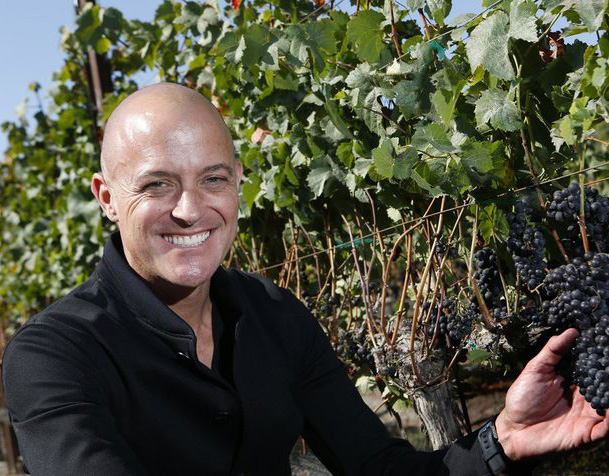
Marty in his barrel room in Woodinville

Marty in his barrel room in Woodinville

Interview with Marty Taucher, Owner of Avennia Winery

July 29, 2015

Interview with Marty Taucher, Owner of Avennia Winery

Marty Taucher has created an impressive project at Avennia. Taucher signed on at Microsoft in 1984, spending 15 successful years there before taking wine classes at South Seattle Community College. He later met Chris Peterson, winemaker at DeLille Cellars during an internship at DeLille and Taucher hired Peterson as head winemaker at Avennia since. There are hundreds of Washington wineries out there but you know that wine is really good when nearly all of it sells out. Avennia’s first vintages were during difficult, colder growing seasons of 2010 and 2011, yet the wines still impressed.  Their recent releases from 2012 are rich and balanced, coming from an exceptional vintage. I had the chance to interview Marty, as his impressive background in business and wine has made Avennia a household name in Washington Wine and is all over fine dining lists from Chandler’s Crabhouse to El Gaucho. Here is my interview with Marty Taucher, former Microsoft exec and current owner of Avennia Winery.

WWB: Can you talk about the vintage variation between 2012 and 2013?-

 MT: ’12 [2012] as a great vintage for us, Chris says that it is up there with the 2007 in his experience. Our first two vintages, (2010 and 2011) were cooler years that nevertheless produced some very exciting wines. 2012, by comparison was a welcome change of pace. It will be remembered most for the intense heat of mid-August through most of September, ripening the earlier varietals such as Merlot and Syrah from warmer sites, very quickly. The autumn weather cycle finally started to kick in early in October, leading to a nice slow ripening throughout the month. We picked our last Cabernet, the 1972 planting at Bacchus, on October 22nd, a full 10 days ahead of 2011. Yields were low to moderate at nearly all sites, with small berries and ripe flavors, full richness, and ample but supple tannins. 2013 was yet another warm vintage in Washington. The season started earlier than normal, and was a scorcher all summer long, with a number of days over 100 degrees. Luckily the autumn began to cool down, allowing even ripening and additional hang time to develop flavor. The grapes were harvested only slightly earlier than normal, with moderate alcohols and acid levels. In the cellar, the wines somewhat belied the heat of the year, showing great focus, pure fruit flavors, enlivening freshness, and ample structure.

WWB: What are some of the challenges in 2013 and 2014 in maintaining the type of acid structure and balance that you guys are known for?

 MT: Chris likes to pick fruit on the edge of ripeness so I think the key for him is to be able pay close attention to the vintage and make many trips to the vineyard. Chris likes to be in the vineyard at least once a week. He goes out to sample the fruit and to make sure that the fruit is reaching optimal ripeness and works closely with our vineyard partners to manage crop loads for the optimal balance of ripeness, complexity and acidity. We are also very selective in choosing vineyards that are able to successfully manage yields for the best results. We also use native yeast fermentation across the board, which helps to give the wines more old world style complexity and balance.

 WWB: I just had the opportunity to try your 2014 Sauvignon Blanc and you have been experimenting with concrete and oak. Can you talk about those influences in the wine?

 MT: We have always fermented our Oliane Sauvignon Blanc in neutral and new French oak. In 2014, Chris decided to experiment with concrete which allows for the introduction of a slightly different oxidative ageing technique in the fermentation process. We work with two exceptional vineyards for this wine, Boushey and Red Willow, and have been pleased with the success we have had with the neutral and new oak barrels. Adding a concrete egg to the mix gives a little more lushness or fullness on the mid palate. It is a small percentage, about 15 percent [concrete] but I think makes a noticeable difference.  We will watch it over the next few vintages. Chris is also interested in experimenting with concrete for the other varietals, perhaps Grenache and Cab Franc. But concrete is a fantastic tool to incorporate into our program. We were in Bordeaux in 2011 as part of a research trip and we went to these great houses and much of the wine was in concrete or oak tanks, so it really opened my eyes to the possibilities.

 WWB: Taking about expansion for your wines, they are selling out. You have been incredible successful in a shorty amount of time. What are your plans for winery expansion?

 MT: For Avennia the production limits can be defined by the vineyards that we work with. Chris has a specific vision for the wines we want to create at Avennia, much of which is predicated on using fruit from some of the older, more established vineyards. There is a limit on the number of old vines in Washington State so we can’t really be a high production winery if we stay true to that vision. Also, from a facilities standpoint, we have the capacity for 4 to 5 thousand cases. We are also excited about the loyalty we have from our mailing list and want to stay true to our vision to honor their commitment. That being said,  we are launching the new line this week, called Les Trouvés, ( French for ‘The Found”) which is modeled after the French negociant table wines you find all over Europe.  Chris has actively sought out and found declassified wines from a number of terrific producers and chosen the best to build a new line of table wines from Washington fruit. The wines are made to be immediately delicious and yet affordable enough for everyday consumption. We are releasing two wines this fall. We will see how roll-out goes with the initial production of 800 cases. We are excited about the project. This leverages Chris’s talent without us having to the bulk of the winemaking here. I think this is a nice growth opportunity.


Comment
Greg Brewer, head winemaker at Melville

Greg Brewer, head winemaker at Melville

Melville Winery

July 26, 2015

Melville Winery

As you drive down the massive driveway leading to the winery we noticed that nobody else was there to try these critically acclaimed Pinots. That’s tasting wine in Lompoc, California, on a Monday -- a perfectly timed visit to Melville. Over the years Melville has received considerable attention for their fruity but balanced Pinots. The tasting at Melville was an impressive display of winemaking. Winemaker, Greg Brewer of Brewer-Clifton pedigree, is an expert in crafting Pinot and Chard. His new releases impressed in the excellent conditions 2013. In 1996, Ron Melville and his sons planted 82 acres of vineyards in Lompoc where he heavily planted 14 different clones of Pinot Noir and 4 different clones of Chardonnay, as well as Syrah and Viognier. The Melville Vineyard has reached such acclaim that nearby superstar winery, Foxen, utilizes Melville Vineyard fruit in their excellent single vineyard bottling of Pinot Noir (my highest rated wine from my visit to Santa Barbara wine country). Look for Melville wines at great Northwest wine shops like Met Market, Pete’s Wine Shop, as well as online at melvillevineyards.com. Here are the great new releases from Melville.

2013 Melville Chardonnay- Nose has buttered toast and pear with starfruit.Palate has starfruit, red delicious and brioche. Lithe and delicious. Drink now. -90 (June 2015)

 2014 Melville Pinot Noir Rose- Perfumed nose of mushroom and strawberry. Palate has cantalope, grapefruit and watermelon. Simplistic but tasty. Drink now. -89 (June 2015)

 2013 Melville Pinot Noir- Herbaceous nose with dill, red cherry and cherry cola. Nose has ripe raspberry and red cherry flavors with nice mouthfeel and a prominent minerality. Drink 2015 on. -92 (June 2015)

 2013 Melville Pinot Noir ‘Block M’- Classic nose that is more on the earthy side with has cranberry, mushroom, and red cherry. Flavors of raspberry, cherry cola and minerals with mushroom. Rich and layered wine that will have a long life but is hard not to drink now. Drink 2015 on. -93 (June 2015)

 2013 Melville ‘Sandys’ Pinot Noir- The nose has red cherry, mushroom, raspberry and lavender. Flavors of red cherry, cherry tomato, vanilla and mushroom. Rich and viscous, like the Block M as this is done in an opulent style. Drink 2015 on. -93 (June 2015)

 2013 Melville ‘Vernas’ Syrah- Smoked meats, red cherry and tobacco on the nose. Palate has red cherry, lavender, smoked meats and green olive. Very polished and ready to drink now Drink 2015 on. -92 (June 2015)

 2013 Melville Estate Syrah- Nose has smoked meats and red cherry. Palate has raspberry, red cherry and Christmas spice. Open and delicious, this would pair nicely with lamb. Drink 2015 on.  -90 (June 2015)

Comment
Bottling the 2012 Feather, rated 94 points

Bottling the 2012 Feather, rated 94 points

Long Shadows

July 22, 2015

Long Shadows

One of Washington’s premier wineries, Long Shadows is a project winery created by Allen Shoup, the former CEO of Chateau St. Michelle. Shoup’s project is a portfolio of wineries comprised of famed winemakers from the major wine regions of the world, who each create their wines using choice Columbia Valley fruit. Shoup poaches some of the best in the world, from John Duval of the famed Penfolds Grange project, to eminent California Cabernet producer Randy Dunn. The results are stunning. Here are the recent releases from Long Shadows

2014 Long Shadows Julia’s Dazzle- This is a Pinot Grigio rose with a splash of Sangiovese in there. Nose has strawberry, guava and white peach. Palate has vibrant minerality. Strawberry, guava, pear and a long finish. Up there with the best rose in the state. Drink now -93 (OB) (7/15)

 2014 Poets Leap- Made famous by German winemaker Armin Diel. Pear and red delicious apple followed by gravel on the aromatic nose. Delicious and lovely mineralogy through the midpalate. Flavors of green apple, cantaloupe and green papaya. Lithe and expressive, one of the best made Washington Rieslings out there. This effort eclipses the 2012 and 13. Drink now. -93 (OB) (7/15)

 2012 Long Shadows Pirouette-Comprised of 65% Cabernet, 16% Merlot, 12% Petit Verdot and 7% Cabernet. The winemakers Agustin Huneeus and Philippe Melka are the winemakers on this esteemed wine. Nose has blackberry, black cherry and anise. Velvety palate has blackberry, red cherry, dill and raspberry. Delicious and open. Will be hard to cellar this thing, drink 2015-2022 -93 (OB) (7/15)

 2012 Long Shadows Pedestal-Famed wine consultant Michel Rolland makes one of the best Washington Merlots in the country. Made of 81% Merlot with the rest Cab, Cab Franc and Petite Verdot. Nose has black cherry, dill and black olive. Rich and viscous wine with Flavors of mocha, black cherry, black olive and wonderful mouthfeel throughout. Delicious wine for a special occasion. Drinking incredibly now but will have a long life. Drink 2015-2030 -94 (OB) (7/15)

 2012 Long Shadows Feather- This 100% Cabernet wine is made from esteemed winemaker Randy Dunn of Dunn Vineyards in Napa Valley. As this opens in the glass, it unleashes perfumed aromatics of fresh black cherry and dark fruits, as well as anise and oak in this intoxicating nose. Somewhat of a backwards wine, currently the palate is currently shut down with flavors of anise, black cherry, blackberry and moderate tannins and a brilliant acid backbone. Drink in 2017 until 2025, as this one needs time for the fruit to integrate and the tannins to mellow. The wine is reminiscent of the 2007 Feather, which took some time to be fully expressive. -94 (OB) (7/15)

 2012 Long Shadows Chester-Kidder Red Wine- Winemaker Gilles Nicault changes his blend each year. This year he opted for 66% Cabernet with 23% Syrah and 11% Petit Verdot. Herbaceous aromatics on this wine with green bell pepper, black pepper, raspberry ganache and oak. Lush mouthfeel with flavors suggesting cassis, anise, black cherry and boysenberry. Prominent acidity suggests this can benefit from 1-2 years in the bottle. Drink 2017-2025. -93 (OB) (7/15)

Comment
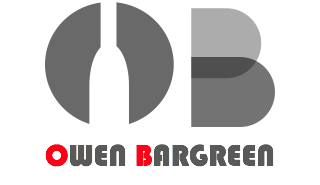
Garrett Smith, at Daniel NYC

Garrett Smith, at Daniel NYC

Interview with Garrett Smith, Sommelier at Daniel NYC

July 21, 2015

Interview with Garrett Smith, Sommelier at Daniel NYC

Daniel NYC is probably best known for their two Michelin stars, but has also received incredible acclaim for their wine program. So not only is Daniel one of the top restaurants in the United States (and world!) Wine Spectator has awarded them with their highest distinction, their Grand Award, for many years. Boasting a 2000 bottle cellar, Daniel’s wine list is very strong in Burgundy and Bordeaux but falls short a bit in the Washington selections. Check out their full wine list at http://www.danielnyc.com/. As you will see, the selection wine is outrageously good (and pricey).

The wine service at Daniel is impeccable. While dining at Daniel I was fortunate enough to be served by Garrett Smith, CS. Garrett has an extensive history in fine dining and has also served as a sommelier at the famed French Laundry restaurant. The attention to detail during his wine service was one of the best I’ve ever seen. A few days after our amazing dining experience at Daniel, Garrett was thoughtful enough to sit down with me for an interview. I think you’ll enjoy his candid responses about his extensive background as a sommelier. Here is my interview with Garrett Smith, certified sommelier from Daniel NYC.

WWB: Can you talk about your background in wine and what made you decide to become a sommelier?

My father had been a wine steward on Cape Cod in the 1970s, and though we never had any expensive wines around the house as a kid, he instructed me on how to open a bottle from around the age of 5, and I had my own tasting glass at the dinner table. Wine was served with every dinner, so I never saw it as something to be abused, only appreciated. I took note of when my father would ask our favorite wine store owner what he thought would pair well with pheasant, or with salmon. Different wines meant different things!
I went to college to try to follow my father's path as an engineer, only to discover that calculus is much harder than I ever imagined. I returned home from my first year and began painting houses to earn a few bucks. When I realized just how incredibly boring that was, I decided restaurants were a good fit for my need to be around people. At my first restaurant job, the head bartender took a shine to me and I quickly rose out of the busboy ranks to become a barback, and eventually a bartender, whose job it was to maintain the cellars. I learned a little about wine, what its flavors were like, and a few facts about different types, such as that white burgundy was chardonnay.
I spent some time working in a small retail shop in Litchfield, CT, where I was forced to do research to learn about our products. There, I also got to taste a lot more wine. I was working also at a 5-Star inn called the Mayflower Inn as a server and a bartender. My manager found out that I was somewhat interested in wine, and allowed me to help him with inventorying the wines in the cellar. I took this on as a regular task, and before long, was included in tasting wines for the restaurant, printing lists, and was able to confidently recommend wines to guests.
Around this time, the inn was purchased by a hospitality company, and my boss approached me to tell me that this was going to be great for my career. How would this be good for my career, I wondered? He told me, that if I wanted to become a sommelier, this would allow me the ability to travel to other restaurants within the company and see California and other wine regions. I had never even heard of the word in Connecticut. I was fascinated.
I spent the next two and a half years saving money to move to California and become certified as a sommelier, through a great course I had found at what was then the Professional Culinary Institute in Campbell, CA. I made the move in September, 2010. I had to set up housing before I got there, given my budget, and it was horrible. I slept in a room with three walls, the fourth was a sheet, some filing cabinets and a sliding door. Single pane windows made it excruciatingly cold in the mornings. I biked to classes, and to my job in San Jose later in the day. But I got to spend my day around Master Sommeliers, tasting, decanting, learning about all these wine regions that were brand new to me. It was worth the poverty and the poor living situations.
A classmate approached me one day, saying that the French Laundry had posted a job, looking for a "Vintern," a cellar sommelier. Several people pushed me to apply. So, I whipped together a resume overnight and shipped it off, with my cover letter promising that, "Though I may never be the most talented or smartest person in the room, I will outwork everyone else in it, and should you give me the chance, I promise not to disappoint you."


WWB: What was it like working at the French Laundry? What kind of wine education did you receive there?

GS: After receiving the call to join the French Laundry, I felt victorious. I had been using their list to draw ideas for wines for my classes at the Pacific Culinary Institute, so was familiar with some of it. The depth, and length to be honest, were astounding and intimidating. I bought every book I could find that covered the regions they favored most. Nothing could have prepared me for the level of information awaiting me.
What's it like working at French Laundry? Imagine combining a drill sergeant-led boot camp with a culinary arts master class. The level of exactitude is beyond anything I've ever seen. For example: Our sommelier station, which consisted of five drawers to the side of a low-boy Sub Zero, on top of which was a three foot wide by twenty inch deep slab of granite, had to be "taped down" daily. This entailed getting a small linen tablecloth, folding it to leave a five inch gap for our spit bucket and pen holder towards the back, and folding the sides to fit tightly against the walls on either side. Then, cut ten equal length pieces of TK's famous green painter's tape. Note that I said "cut". Yes, cut with scissors, this masking tape, at exact right angles so that when you place two pieces perpendicular, they make a perfect square. These ten pieces would be placed equidistant, and opposite each other, and stretched to tighten the cloth. I would then spray it with a water mister, to smooth it out and allow it to be stretched tight like a drum. I still think mine looked better than anyone else's.
I also oversaw the transition to the iPad wine list, an unheard-of thing before this time. It was a bit clunky at first, the communication between the system and the devices, but before long I had perfected the science of it. We even eventually built a spirits list, and used mini iPads for that, building in a secondary platform to run those from.
The cellar sommelier's main tasks involved the organization of all three cellars; two on premise, and one warehouse in Napa. Through the brilliant system now known as Binwise, every bottle had a bin, a spot where you could immediately track it and find those bottles, and barcodes to scan at inventory time. The cellar wasn't in disarray at all when I started, but I set my goal to be able to find every wine faster than anyone else, and have the order so exact that a numbskull could walk in and find any bottle within thirty seconds. The other three sommeliers, after about a month and a half, really just had to walk in and tighten their tie. I had the rest covered.
Three cellar books – and an up-to-the-minute inventory - were printed daily, so we could see from every station in the restaurant how many of each wine were in what locations. New boxes of wine would be stacked from the floor to the ceiling starting on Tuesday, my first day in of the week, and I would have them all processed by Sunday. I developed a pretty standard rubric for processing: White wines, keep six (three in the main cellar, two in the inner cellar, one in the sub-zero) unless expensive white burgundy, then keep three to four, and ship the remainder to our warehouse. Reds, keep six of Pinot Noir, everything else three to four, and the rest gets shipped. Oh, and I did the driving to Napa, as well. We called the warehouse "Siberia," since it was far away and cold. Here were shelves of bottles perfectly lined up in alphanumerical order. Thomas' cellar was here too, and I also managed that. In short, there is a lot to do, and a lot on my plate.
I worked as the cellar sommelier for four months, though they tried to get me to stay. The GM thought I was superfluous, a luxury item at the time, the fourth sommelier. So, I went down the street to Redd [restaurant], where I learned to become a floor sommelier. Eight months later, I was able to return to French Laundry. My boss told me he had had to cut back his ordering because they couldn't a) process the orders quickly enough or b) find the wines anymore without me there. A huge compliment, and testament to my abilities as a cellar manager. Now, I finally got to serve guests at this wine palace....and still do all of my other chores, too.
Wine service at French Laundry is pretty spectacular. No drips allowed. No backhanding (showing the back of your hand to a guest), always a smile, formal behavior but not up-tight and stuffy. It was natural but no-frills, no mistakes. I broke a glass on the terrace once and was sat down to make sure I could continue service. "Of course," I answered. "Could you please just ensure that no more of the branches from the tree will drop on my arm in the middle of service?"

Over the course of my two total years at French Laundry, I learned how to gauge guests' interests in wines, how to pair wines quickfire (daily menu changes meant daily talks about pairings; I learned to trust my gut and read a dish instantly and have the kneejerk pairing), how to be elegant in service as well as how to lead a guest to what they didn't even know that they wanted but would be eternally thankful for. Oh, and I tasted more wine, and more of the best wine on EARTH than anyone should ever be allowed to. I kept records of everything over my two years, every single drop I tasted. It's fun to look back and see the wines that changed my palate and my passion.

In short, The French Laundry is the height of the wine-food relative universe for me, as it is indeed a "mecca" of cuisine, perfectly located in Napa Valley, the most spirited wine region in our country. A destination for foodies and wineos alike, with a list of wines and spirits thousands deep. It was the first time someone truly took a chance on me, and allowed me to prove myself worthy, which I hope I did. I wish I could have stayed there longer sometimes, but the east coast beckoned me home.


WWB: How did you decide to come to Daniel NYC?


GS: Daniel was on my radar for a long time. I had first met him [famed chef Daniel Boloud] when he came to eat at the Mayflower Inn, in Washington, CT, early on in my career there. All I remember was that we kept the kitchen staff around and the dining room open late in the afternoon for this big-shot chef, and I got to serve him along with my manager. I remember his old-school Ferrari, too.
I left the French Laundry when I did, because they had asked me to step back from the sommelier position to learn all of the other positions, from bottom to top. I agreed, as it seemed to be in my best interests to know every facet of the place I loved. I already was in charge of so much, and was one of the trusted few to drive guests around at night, to maintain the outdoor heating equipment, and so many other everyman tasks. I picked up the food running position quickly, and anxiously awaited my next promotion. For whatever reason, there was a small exodus, and a number of food runners quit within a few weeks of each other. Short staffed, I relented and kept working. I knew this stuff cold. It continued for six months, and I heavily missed the wine side of things. I was allowed to work inventory and take trips with the sommeliers to vineyards to meet winemakers, and so on, but I missed the wine service. Between that and family, I decided a move was worth it, and Daniel popped up again on my radar. Head sommelier Raj Vaidya reached out, and I flew to New York CIty to work a night.
WOW. What a space. It's breathtakingly massive compared to The French Laundry, a cathedral. The wine cellar, a complete shock. Massive, everything in one space, and super-duper old school, with bottles nested on top of each other. Printed wine lists, comprising a bible, sectioned into reds and whites enough to think that it could indeed be old and new testaments. A bit more "traditional," shall we say. A new challenge.
Raj sealed the deal. He was so blunt and honest, I couldn't say no to him. He knew I had something to prove, and was hungry for the chance to do so. I was opening wines on my "stage" night, even. It felt natural. A whole new lot of producers to research, though!


WWB: Daniel's wine list is very strong in Burgundy and Bordeaux but is a bit weak in Washington in my opinion. Can you talk about some of your favorite wines from Washington and is there any movement for expansion with Washington reds?


GS: Your opinion could not be more correct in this fashion, sir. I believe the most wines of Washington origin we've ever had at one time is perhaps three: I recall having Leonetti Reserve 2009, Gramercy Cellars John Lewis Syrah 2009 and a magnum of Figgins 2006 all on the list at once. Compare that to French Laundry, where a litany of wines from Cayuse, Quilceda Creek and Andrew WIll made for a strong selection of Washington State wines. To be quite honest, I've never gotten the request for many Washington wines. Selling the John Lewis Syrah, for instance, was as a result of a question from a guest as to whether or not we had any wines that a Master Sommelier owned or made. You can see how "SOMM" has impacted our profession!
Now, that is not to say we don't deserve to have more wines from Washington State. I just fear they would not get the proper attention from our clientele. From my perspective, wines like Quilceda Creek are a good likeness of Bordeaux, often times much more so than the wines of Napa Valley, as the earthiness is more pronounced in Washington. Cayuse, well, that's a bit different. They're lavishly textured and hugely aromatic, always fascinating to me. I find them divisive, however. That's the beauty of wine, though. People love what they love. You see that on a list like Daniel's, in that we have a pretty good idea of what our clientele desires. You have to expect that heavier, oakier Chardonnays aren't necessarily a sommelier's best friend, but look at our list and you'll see many that I would put in that category. We try to pick the best of them, like Aubert, Lewis, Kistler, but you get the idea: we have them because it's in demand. I think in New York, the understanding of Washington wine is lacking. Sadly, even the understanding of Oregon Pinot Noir is less than what I'm used to. I do believe that they have a place with Daniel's food, though. Someone like Cayuse or Leonetti should have Daniel Boulud cook a dinner to pair with their wines, invite some wine writers, and celebrate it. I think the Syrah and Grenache wines are perfect for DB, as he loves his Chateauneuf-du-Papes, and the Merlot and Cabernet-based reds with his beef duo would be dynamic as well. The wines just need a Champion in NYC somewhere, I think.


WWB: Can you talk about some of your favorite tastings that you've had a Daniel and how being at a restaurant with that pedigree can improve your wine education through knowledge, blind tasting, etc.?

GS: The beauty of Daniel, as opposed to say, The French Laundry, is it's more organic in our knowledge. Being more "old-school," we don't force-feed knowledge with quite the fervor of TFL, or other top restaurants. Here, our passion is present and the quest for knowledge is expected and understood. You'll be called out by your peers for not knowing something. It is, in many ways, a self-policing unit. The wine team is similar. For example, out west, I could not have carried on at TFL unless I was pursuing my MS diploma, despite the cost and stress that come along with studying and taking these exams all over the bloody place. Not that I don't want to pursue it, but at my own pace and when I have the cash to spare. At Daniel, I am actually the only sommelier to be Certified. Nothing against the Court of Master Sommeliers, but our Head Sommelier, Raj, I would place him next to someone like a Larry Stone or Paul Roberts in his knowledge, passion and respect. He's been around this business for ever, has a phenomenal palate, and when someone like Aubert de Villaine walks into the room and addresses him by name, well, you know the sort of respect he carries. We are all immensely lucky to do what we do, where we are, with the wines we have access to.

One night, we had a dinner which had been auctioned off for charity, a dinner with a collector of fine wines. Well, this collector, whom we knew well, brought Bordeaux from first growths dating back to 1901. Where the heck else am I ever going to taste those again?
He later had a whole slew of 1982 Bordeaux paired against each other, then ‘89 Haut Brion versus La Mission Haut Brion, at one point several 1985 Burgundies, and so on and so forth. The unique thing is the ability to form in our memories a taste, associate it with a label, a picture if you will, and let that algorithm form and adjust or adapt over time. I think sometimes that people want to be a sommelier just to taste these wines, which I 100% understand. The point behind tasting so much is to be able to, without consulting your library - and I do have a library of wine books about fifty deep, all of which I've read cover to cover - be able to clearly and concisely convey to the guest what they should experience from a certain wine. If I hadn't tasted both DRC and Noellat from the mid-1960's, and read about the vintages in Burgundy from that decade, how would I be able to conscientiously give a description of Rene Engel's 1969 Grands Echezeaux? I've never tasted it, but I know the cellar it came from, I know the producer, the vineyard, and the vintage. I can give a great estimation of how it should taste. If it's an off bottle, then we won't serve it. If I'm completely off base, I shouldn't be doing my job. It's a tough learning curve, especially for the newest member of our team, who hadn't been a sommelier anywhere before. We tried for a while to get him as involved as possible, and he just loved wine, and absolutely inhales hordes of information with ease. He's easy. Once in a while, though, you see him get really excited about something and it doesn't taste the way he thought. That's just experience. Sometimes I have to put it in context. We tasted a whole bunch of 1959 First Growths (Latour, Lafite, Mouton) and he wrinkled his nose at the Mouton. Yes, compared to the Latour and Lafite, which are COMPLETE aberrations, like just plain mutants considering how fresh they are at this point, the Mouton needs to be put in context. Think that this wine is Fifty-six years old, dude. Feel the texture, the balance, the grace on the palate, The aromatics were a little funky, so it wasn't a perfect bottle, but the structure was immaculate, and the tastes sensual and slightly savory. For a lesson on Terroir, google the old Baron Philippe Mouton Rothschild joke about when he asks for his wine and the waiter insists it is his wine, but the old man knows it is not. This will tell you just how much difference a few feet can make, and the Lafite and Latour of the same age were rockstars, while this Mouton was dynamic, but maybe just a 98 out of 100!
So, when you see sommeliers tasting, remember, it's so that we can help you! Remember that sommeliers are generally paid much less than the Head Waiters, even though it is considered an elevated position, because as I say, sommeliers are paid in "experience" - these tastes are golden. Our education is also quite fun. It's not every restaurant where these opportunities of this magnitude are available, and many will sacrifice to work at a restaurant of Daniel's caliber. It's been a splendid two years.
Comment
Head winemaker at La Chanterelle, Donatas Pocus

Head winemaker at La Chanterelle, Donatas Pocus

La Chanterelle

July 15, 2015

There are plenty of great boutique Washington wineries out there that impress. Go ahead and add La Chanterelle to the list. Based out of Bellingham, this is a very small production winery as the winery only makes 72 cases of their Cabernet each year! La Chanterelle was originally a home project that was finally founded into a winery in 2012. This is one to look out for, as they produced some exceptional wines from an exceptional vintage, 2012.
Head winemaker Donatas Pocus has created a nice combination of balance and richness in his Syrah and Cabernet. And their 2012 Cabernet was recently the only Gold Medal winner out of Washington wines entered in the Finger Lakes International Wine Competition. I had a chance to meet Donatas at a recent wine event in Kirkland and he talked about his passion for winemaking and the potential for the future. This thing is no longer a home project, look for them to expand their production in the future. I know I’ll look forward to their 2013 releases! While their 2012 Cabernet is currently sold out, you can find their Syrah online at lachanterellewine.com. Here are the 2012 releases from La Chanterelle.

2012 La Chanterelle Syrah- Dark purple hue with flavors of blackberry, black olive and black cherry persisting with bright acidity. Delicious and open but could cellar well for a few more years. Drink 2015 on. -90

2012 La Chanterelle Cabernet- Perfumed nose with anise and blackberry. Nice roundness on the palate with flavors of cassis, black olive, anise and mocha. Nice richness, indicative of the vintage. Drink 2015 on. -92

Comment
Paul Hobbs in his vineyard

Paul Hobbs in his vineyard

Paul Hobbs

July 7, 2015

Paul Hobbs

As we approached the address of the winery we only saw a modern sign with the address number appearing. Where is the sign for Paul Hobbs? Our knowledgeable guide, Christopher O’ Gorman, the marketing and communication manager for Paul Hobbs, later mentions that the winery was having too many guests and that they had to take down their Paul Hobbs sign because their winery could not actually accommodate so many people tasting their wines. There’s a good reason why the tasting room was having a ton of traffic. Paul Hobbs is truly one of the most important players in wine – not only in California but in the world. He not only makes top Napa Cabernet, Pinot and Chard but makes what I consider to be the best Malbec in the world, the Vina Cobos (http://www.vinacobos.com/).
Hobbs has been making wine since 1977, previously working at Robert Mondavi and Opus One before starting his own winery. His 2002 Cabernet from the To Kalon Vineyard received 100 points from Robert Parker. Only a handful of people can say that they’ve made 100 point wine.
The tour at Paul Hobbs is exquisite. The tasting room and nearby production facility is modern and hip and the picturesque rolling hills of vineyards is something out of a storybook. Christopher took us to the private tasting room and we sampled the new releases. The lineup was impressive, as Paul Hobbs quality is there from Chard to Cab. I was impressed with their effort in difficult vintage, as their 2011 Cabernet was rich and layered, which was difficult to obtain due to the coolness of the vintage. The quality of the winemaking is present in each of their wines. The 2012 Paul Hobbs ‘Nathan Coombs Estate’ Cabernet was one of the best Cabs, if not the best Cab out of my Sonoma and Napa tastings. Look for these wines at specialty wine shops (Esquin and Pete’s Wine Shop in the Seattle area) or online at http://www.paulhobbswinery.com/. Here are some of the great wines that I recently sampled at Paul Hobbs winery.

2014 Paul Hobbs Crossbarn Rose- This is their second label, made from Pinot grapes. Green melon and strawberry on the nose. Palate has strawberry, guava, and unripe cantaloupe. -90

2013 Paul Hobbs Russian River Chardonnay- Nose has pear and golden delicious. Palate has pear, brioche and red delicious. Nice viscosity and depth. -92

2012 Paul Hobbs ‘Richard Dinner Vineyard’ Chardonnay- Nose has butterscotch, Crete brûlée, and pear. Palate has minerality, with red delicious and butterscotch flavor a. -93

2013 Paul Hobbs Russian River Pinot Noir-Perfumed nose of black cherry, rose petals and raspberry. Palate has raspberry, black cherry, vanilla and cherry cola, with minerals. Drinking well right now. Roughly 2500 cases. -92

2013 Paul Hobbs ‘Hyde Vineyard’ Pinot Noir- Rose petals and raspberry with mushroom on the nose. Palate has mushroom, black cherry, blackberry, and cherry cola. -93

2012 Paul Hobbs ‘Cuvée Augustina’ Pinot Noir- This is named after Hobbs’s eldest daughter. Powerful nose with rose petals, mushroom, red cherry and oak. Palate has mushroom, red cherry, blackberry, and red currant. Complex and rich. Drink 2016 on. -94

2011 Paul Hobbs Cabernet- Nose has herbaceous nodes with red bell pepper, anise and black cherry. Palate has anise, blackberry, coffee and nice richness for the vintage. Drink 2015 on. -93

2012 Paul Hobbs ‘Nathan Coombs Estate’ Cabernet- nose had anise and blackberry. Richness is profound. Milk chocolate, anise and blackberry with moderate tannins. Very serious. Drink 2018 on. -95

Comment
Hard to find a better Washington Rose than the 2014 Julia's Dazzle

Hard to find a better Washington Rose than the 2014 Julia's Dazzle

Washington Whites and Roses for Summer

June 30, 2015

Summer is here with a bang. What is typically a mild Northwest June has turned into near heatstroke for most. Weather this hot calls for a great white wine or rose to match the heat. Over the past few months I’ve had the chance to try many of the new Washington white wine and rose releases. There are so many great options, depending on your budget to quench your thirst, so I have divided the best ones I’ve tried into those under 15 bucks and those over 15 bucks.
One to watch is the perennial top rose made in Washington, 2014 Julia’s Dazzle. At Costco for $12.99, this one is a rich, refreshing and fruit filled steal, as Long Shadows could easily charge twice as much, if not even more for this bottle. Also consider some lesser known varietals for value, as the 2013 Gard Freyja blends Viognier and Rousanne to create a lithe fruity quaff. For those who enjoy semi-sweet wines, check out the excellent 2013 Chateau St. Michelle ‘Cold Creek’ Riesling packs a ton of fruit and has vibrant minerality
In the higher range category, the 2013 Dunham Cellars Shirley Mays Chardonnay is their best release of this wine that I’ve tried, and is filled with flavors of pear and golden delicious with the right amount of oak. The 2013 Abeja Chardonnay, one of the best Chards out of Washington each year, impresses with the layered fruit and buttery mouthfeel. The 2013 Fidelitas Optu Blanc is also the best release of this wine that I’ve tried and tastes like a high end Bordeaux Blanc with a huge range of flavors, from white peach to butter. Finally, the 2013 DeLille Cellars Chaleur Estate Blanc is a rich and opulent Bordeaux Blanc style white that is probably the best of its kind in Washington. Here are some of the best new White wine and Rose releases from Washington:

Under 15 bucks

2013 Gard Freyja- Made from 81% Viognier and 19% Rousanne. Nose has lychee and jasmine followed by flavors of pear, red delicious and starfruit. Delicious and complex for the price. -90

2014 L'Ecole No. 41 Chenin Blanc- Pear, baked apple and cinnamon on the nose. Palate has red delicious, starfruit, pear and vibrant acidity. Delicious. -90

2013 Chateau St. Michelle 'Cold Creek' Riesling-nose has orange blossom, jasmine and pear in this perfumed nose. Palate has great minerality. Pear, starfruit and red delicious. Tasty. -92

2013 Chateau St. Michelle Gewürztraminer- Honeysuckle and orange blossom on the nose. Palate has ginger, lemon zest and starfruit. Excellent wine. -89

2013 Hogue Pinot Grigio- Nose has green apple and cut grass with flavors of baked pear. A bit one note but tasty. -85

2012 Columbia Crest Grand Estates Chardonnay- nose has brioche and pineapple followed by flavors of pineapple, golden delicious pear and cream. Delicious wine. -90

2013 Hogue Chardonnay- pear and red delicious on the nose followed by flavors of pear, honeydew and minerals. Clean and refreshing for Chard. -87

2012 Columbia Winery Chardonnay- Pear and oak on the nose with flavors of butter, cream and pear. Smooth, albeit simplistic. -87

2013 Chateau St. Michelle Chardonnay- Nose has pear and oak with flavors of butter, cream, vanilla, golden delicious and a long finish. -89

2013 Columbia Crest H3 Chardonnay- Butter with mushroom and cut grass. Light and lithe palate with green apple, pear, minerals and limited oak flavors. The new Washington style Chard. -90

2013 Chateau St. Michelle Indian wells Chardonnay- Pear and golden delicious with some oak on the nose. Palate has pear, starfruit and red delicious. Nice minerality but slightly behind the 2012. -89

2014 Long Shadows Julia’s Dazzle Rose- This is a Pinot Grigio Rose, with a small amount of Sangiovese added. Nose has strawberry, guava and white peach. Palate has vibrant minerality. Strawberry, guava, pear and a long finish. Up there with the best in the state. -93

Over 15 bucks

2014 Bunnell Family Winery Viognier- Orange blossom and pear on the nose followed by pear, brioche and cantaloupe flavors. -90

2013 Chandler Reach Viognier- Honeysuckle, pear and baked apple on the nose. Palate is balanced and has red delicious, pear and a light cream finish. Delicious. -90

2013 Mark Ryan Viognier- Honeysuckle and pear with light spice on the nose. Palate is lithe and has pear, red delicious and cantaloupe. Fantastic expression of the varietal. -91

2012 Cougar Crest Viognier- honeysuckle and pear with nutmeg on the nose. Palate has velvety texture with Japanese pear, vanilla, and brioche. Delicious, drink now. -91

2013 JM Chardonnay- Golden delicious and pear on the nose with light oak. Palate has pear, red delicious and light oak component with cream. -91

2013 Dunham Cellars Shirley Mays Chardonnay- Made from Lewis Vineyard fruit. Pear and honeysuckle on the nose. Pear, golden delicious and oak with nice richness on the palate. Their best one yet. -93

2013 Abeja Chardonnay- nose has mushroom golden delicious and peer. Palate has butter, pear, red delicious and star fruit. Just rich and delicious. Mouthfeel is excellent. -93

2013 Woodward Canyon Chardonnay- Nose has banana and oak, followed by flavors of vanilla, red delicious and starfruit. Nice long finish. -93

2013 Chateau St. Michelle Canoe Ridge Vineyard Chardonnay- Nose has pear, red delicious and butter. Palate is rich with butter, pear and red delicious. Drink now. -91

2012 Tranche Slice of Pape Blanc- Blend of Rousanne, Viognier and Marsanne with Nose has honeydew, pear and red delicious. Palate has pear, red delicious and star fruit. Nice richness. -93

2012 Lauren Ashton Rousanne- Honeydew and pear on the nose. Palate has cut grass, stardust and pear. Viscous and tasty. -92

2013 Fidelitas Optu Blanc- Klipsun Vineyard fruit. Butter, pear, honeysuckle, and cantaloupe on the nose. Palate has white peach, pear, red delicious, butter, and vanilla. The finish lingers. -93

2013 Chaleur Estate Blanc- 65% Sav Blanc and 35% Semillon. Nose has lemongrass, cantaloupe and mushroom with forest floor. Palate has bright acidity with Meyer lemon, cantaloupe, lemon lime flavors and incredible balance. Finish lingers. -95

2013 Novelty Hill Stillwater Creek Sauvignon Blanc- Made with 16% Semillon. Pear, orange blossom and cantaloupe on the nose. Palate has pear, honeydew and red delicious. Drink now. -90

2014 Cote Bonneville Riesling- This is done in the Spatlase style. Peach, honeysuckle, and orange blossom on the nose, followed by flavors of lemon lime, honey, red delicious and pear. Impressive effort. Excellent minerality. -91

2013 Poets Leap Riesling- Pear and mushroom on the nose. Palate has bright minerality. Pear, golden delicious, mushroom and slate. Light lemon lime as well. Best Riesling in WA? -93

2014 Seven Hills Rose- This is made from mostly Cab Franc. Strawberry, baked apple and raspberry on the nose. Palate has pear, strawberry and guava. Lithe and delicious. -91

2014 DeLille Cellars Doyenne Rose- Grenache dominant Rose. Nose has watermelon, pear, and strawberry. Flavors of cran-cherry, watermelon and vanilla. -92

Comment
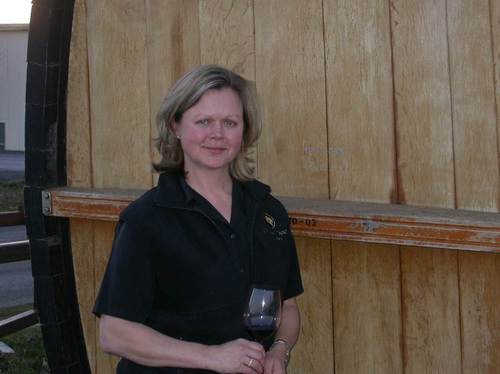
Cougar Crest head winemaker, Debbie Hansen

Cougar Crest head winemaker, Debbie Hansen

Cougar Crest

June 26, 2015

One of the state’s most consistent producers of value priced Washington reds each year is Cougar Crest. Founded by two Washington State University grads, Cougar Crest crafts some excellent reds but also makes one of the state’s best Viognier. If you like the rich and tropical fruit style of Viognier, this one is for you. Cougar Crest utilizes their Estate fruit from the Walla Walla Valley and has achieved some impressive scores from Wine Spectator in the past, including one of the highest ratings for any Washington Cabernet Franc (2007 & 2009 vintages achieving scores of 93). Established in 2001 by David and Debbie Hansen, the Hansens planted vines in 1997 and decided to leave their careers as Veterinarian and Pharmacist to form a winery. After taking classes in winemaking from UC Davis, Deborah Hansen became the head winemaker, while her husband took over the winery operations side.
The 2009 Cougar Crest Anniversary Cuvee is taken from a fantastic vintage. Harvey Steinman from Wine Spectator rated this wine a 93 and I rated this one a 92. The wine made from Merlot, Malbec, Cabernet Franc, Cabernet Sauvignon and Petite Verdot, captures the art of blending, as you can taste the components of the wine playing together nicely. This is a great wine to pick up for a special education. Many of the Cougar Crest wines can be found at Northwest wine shops, but some of their wines can be found at Costco as well. Look for them at grocery stores like QFC and Metropolitan Market, as well as Esquin and Pete’s Wine Shop.

2013 Cougar Crest Grenache Rose- Nose has smoke and orange peel with cranberry. Palate has cranberry, orange peel, and minerals. Finishes clean. -89

2012 Cougar Crest Viognier- honeysuckle and pear with nutmeg on the nose. Palate has velvety texture with Japanese pear, vanilla, and brioche. Delicious. -91

2009 Cougar Crest Late Harvest Viognier- Peach and vanilla on the nose. Palate has vibrant acidity with rich peach and golden delicious and pear flavors.- 92

2012 Cougar Crest Merlot Rose- Slightly acerbic nose with red fruits and burnt rubber. Smooth palate with vanilla and cherry. -88

2009 Cougar Crest Mistral- 86% Grenache and 14% Syrah. Red cherry and raspberry. Light and balanced. Smooth and well made with cranberry, raspberry and herbs. Delicious now, 2014 on. -91

2008 Cougar Crest Merlot- rich nose with black olive, black cherry and espresso. Palate is plush and has great minerality. Red cherry, black olive, and vanilla. Nice viscosity. Drink 2014 on. -92

2009 Cougar Crest Merlot- Red cherry and red bell pepper on the nose. Palate has red cherry, dried herbs, and raspberry. Ripe and delicious. Drink 2014 on. -91

2008 Cougar Crest Syrillo- This is a blend of Tempranillo and Syrah. Earthy and herbaceous nose. Balanced with good acidity there is a citrus component to this wine. Great wine for food. Red cherry, raspberry and mushroom. Drink 2014 on. -90

Comment
Head winemaker, Jonathan Nagy, crafts some fantastic Chards and Pinots

Head winemaker, Jonathan Nagy, crafts some fantastic Chards and Pinots

Byron

June 23, 2015

Byron is a Santa Barbara producer of top notch Chardonnay and Pinot Noir. While their wines can be found across US restaurants and wine bars, their tasting room in Los Olivos, showcases some of their harder to find wines. Byron is known for their buttery but not overly ripe style of Chardonnay and if you are a fan of that style, a visit to Byron is a must. Despite 2011 being a cool vintage, their 2011 Clone 95 Chardonnay impresses with nice richness and golden delicious flavors, followed by a very long finish.
Winemaker Jonathan Nagy has been receiving some excellent scores from Wine Enthusiast recently, as their 2012 Monument Pinot Noir was just given 94 points. Nagy has a degree in Chemistry from UC Davis and also has worked for Robert Mondavi Winery and Cambria Winery. I’ve had many vintages of their regular production Chardonnay and Pinot Noir, which impress for the price, but their winery only wines were even better. Look for these wines online at byronwines.com, Total Wines or at local Northwest wine shops and some higher end grocery stores such as Metropolitan Market or QFC. Here are some of the great new releases that I tried at Byron.

2012 Byron Santa Maria Chardonnay- Pear and golden delicious with butterscotch on the nose. Palate has lychee, butter, pear and golden delicious. -91

2011 Byron Chardonnay Clone 95- Nose has banana, pineapple and butterscotch. Palate has nice viscosity with pear, golden delicious, and a long vanilla cream finish. -92

2012 Byron ‘Nielson Vineyard’ Pinot Noir - Mushroom, smoke and blueberry on the nose. Palate has red raspberry, red cherry, and mushroom. Fruity but balanced. Drink 2015 on.- 91

2011 Byron ‘Julia's Vineyard’ Pinot Noir - Earthy nose with mushroom, dried herbs, raspberry and oak. Palate has red cherry, dill, red cherry, cinnamon. and mushroom. Drink 2015 on. -91

2011 Byron Pinot Noir Santa Rita Hills- Perfumed nose of sage, raspberry and oak. Palate has cran-raspberry, red cherry, orange rind, dill, and a long finish. 50 case production. Drink 2015 on. -92

Comment
Dr. Singh in his barrel room

Dr. Singh in his barrel room

Lauren Ashton Cellars

June 19, 2015

Lauren Ashton Cellars

Happy Friday to you all! A few years back, distinguished dentist Dr. Kit Singh, decided slow down his day job and start a winery. While he still has a dental practice (www.eastsidedental.com), he now devotes a great deal of his time towards winemaking. Dr. Singh began his wine journey in college but traveled extensively throughout Europe and became more interested in winemaking. He ended up doing an extensive self-study and even bought textbooks from UC Davis to learn his second craft as winemaker.
The new releases from Lauren Ashton are great examples of Dr. Singh’s chemistry background, as the combination of fruit and acid structure are there. It doesn’t hurt that Dr. Singh interned at DeLille Cellars, one of the premier Woodinville wineries. Dr. Singh’s makes a range of wines, from Riseling to Rousanne and sources from some of the best vineyards in the state, such as the Sagemoor and Weinbau vineyards.
I rated each of his wines at or above 90 points and was particularly impressed with his 2012 Rousanne that was a novel and viscous effort. Considering that his winery was founded in 2009, Dr. Singh has an extremely bright future as a winemaker. These wines are excellent values for the price. Look for these wines online at http://laurenashtoncellars.com. Here are some of the great wines that I sampled at Lauren Ashton Cellars:

2012 Lauren Ashton Rousanne- Honeydew and pear on the nose. Palate has cut grass, stardust and pear. Viscous and tasty. -92

2014 Lauren Ashton Riesling- .4 percent residual sugar in this Kabinette style Riesling. Nose has petrol and crushed flowers. Flavors of pear, red delicious and minerals. Tasty. -90

2011 Lauren Ashton Reserve Syrah- Nose has blueberry and smoked meats. Flavors of black olive, smoked meats and red cherry. Drink 2015 on. -91

2012 Lauren Ashton Cuvée Arlette- Feminine wine with flavors of red cherry, dill and raspberry. Drink 2015 on. -92

Comment
Head winemaker at Lancaster, Jesse Katz

Head winemaker at Lancaster, Jesse Katz

Lancaster Estate

June 16, 2015

Lancaster

Lancaster winemaker Jesse Katz has a great story. The son of a photographer, he always knew that he would be in the winemaking business. After a stint at Fess Parker and Vina Cobos, maker of some of the worlds best Malbec, he decided to take on his own Malbec project in hoping to craft the best Malbec out of California. Katz is not only head winemaker at Lancaster, he has a winery called Devil Proof where he crafts what Robert Parker has called the best Malbec in California (and received a 94 point rating from Parker and Wine Enthusiast). Katz has also worked at Hourglass and Screaming Eagle in Napa, some of the most esteemed wineries out there, before coming to Lancaster.
His releases at Lancaster impress, particularly his 2009 and 2010 Cabernet that are drinking nicely now but will have an incredibly long life. If you are a fan of powerful Cabernets with lush flavors of blackberry and cassis, these wines are for you. You can find Lancaster Cabernet at great Northwest wine shops or online at lancaster-estate.com.
Here are the great current releases from Lancaster. ‪#‎lancasterestate‬

2012 Lancaster Sauvignon Blanc- Nose has grapefruit and green apple. Palate has grapefruit, Meyer lemon and cantaloupe. Nice minerality. -91

2011 Lancaster Sophia's Hillside Cuvée- Blackberry and chocolate on the nose. Slightly herbal. Palate has black berry, black cherry, anise and black olive. A bit lean but tasty. Drink 2015 on. -90

2010 Lancaster Cabernet- This was the winemaker's first vintage. Nose has blackberry and creme de cassis. Palate has Flavors of mocha, blackberry, crème de cassis and is layered. Needs time, drink 2016 on. -92

2011 Lancaster Cabernet-nose has dark nose with blackberry, cassis and dill. Palate has blackberry, minerals and black cherry. Mineral driven and slightly lean but balanced. Drink 2017 on. -90

2009 Lancaster Cabernet- nose has anise and blackberry. Palate has anise, crime de cassis and blackberry. Drink 2017 on. -92

2012 Lancaster Nicole's Red- herbaceous nose with dill and red bell pepper. Palate has nice richness and viscosity. Blackberry, blueberry and crème de cassis. Drink 2017 on. -93

2011 Lancaster Nicole's Red- Nose has black olive, cassis and dill. Flavors of blackberry, cassis and red cherry. Striking minerality. Drink 2017 on. -91

Comment
Head winemaker, Mike Sharon at L'Ecole makes some excellent red blends and the 2012 Perigee is no exception

Head winemaker, Mike Sharon at L'Ecole makes some excellent red blends and the 2012 Perigee is no exception

L'Ecole No. 41 Winery

June 9, 2015

L’Ecole No. 41 Winery

L’Ecole is an iconic Walla Walla winery, known for high quality and good value red and white wines (particularly Chardonnay and an excellent Chenin Blanc). The winery is set in a 1915 schoolhouse and is the perfect location to taste some of the valley’s most consistent lineup of red and white wines. In fact, I can’t think of a better overall and more varied Washington winery tasting lineup, as you sample everything from Semillon, to Rose, to Syrah, to Red Blends. Linus from Sideways was wrong about Merlot. . . and had never tried the L’Ecole Merlot, a perennial value red wine. Winemaker Mike Sharon crafts his 2012 Estate Merlot as a dense and chewy wine that is ready to drink now. Their red wines have been critically acclaimed by the big four wine publications. I was particularly impressed with their red blends, the 2012 Perigee and the 2012 Ferguson, both rich and needing time in the bottle to fully express their fruit flavors. These wines have the potential to be monsters in a few years.
I’ve sampled the past nine vintages of L’Ecole Chardonnay and have found the quality to be incredibly consistent. Their Chardonnay (the 2012 was featured as one of my Top 20 wines of 2014) each year strikes a wonderful balance between fruit flavors and clean minerality. The 2013 L’Ecole Chardonnay is a slight step behind their 2012 but does not disappoint, with nice pear and green apple flavors with minerals. Many L’Ecole wines can be found for under 30 bucks and look for them at good northwest wine shops or online at http://www.lecole.com/. Here are some of the great wines that I recently sampled at L’Ecole No. 41. #lecole


2014 L’Ecole No. 41 Chenin Blanc- Pear, baked apple and cinnamon on the nose. Palate has red delicious, starfruit, pear and vibrant acidity. Delicious. -90

2013 L’Ecole No. 41 Semillon- Blended with 13% Sauvignon Blanc. Nose has cantaloupe and pear. Palate has butter, pear and red delicious. Very nice. -89

2013 L’Ecole No. 41 Chardonnay- Light aromas of baked apple and pear, followed by flavors of pear, golden delicious and starfruit in this easy drinking Chard with bright minerality. -90

2014 L’Ecole No. 41 Grenache Rose- Nose has strawberry, bubble gum and rose petals. Palate has strawberry, red cherry, and pear. Bright wine. -90

2012 L’Ecole No. 41 ‘Estate’ Merlot- Blended with 10% Cabernet and 10% Cab Franc. Nose has red bell pepper, red cherry, blackberry and nutmeg. Palate has red cherry, blackberry, and baking spices. Dense and chewy. Drink
2015 on. -91

2012 L’Ecole No. 41 ‘Walla Walla Valley’ Cabernet- This is sourced from 7 vineyards in the valley. Nose has prune, anise and blackberry. Palate has anise, mocha and graphite. Moderate tannins. Drink in 2017. -92

2012 L’Ecole No. 41 ‘Seven Hills Vineyard’ Syrah- Smoked meats and anise. Palate has blackberry, anise, black cherry and nice depth. Drink 2015 on. -91

2012 L’Ecole No. 41 Columbua Valley Syrah- Smoked meats and blackberry on the nose. Palate is plush and open with black cherry and blackberry flavors. Drink 2015 on. -91

2012 L’Ecole No. 41 ‘Perigee’- Seven Hills Vineyard fruit. Nose is a bit shut down with black cherry and blackberry. Palate has anise, black cherry, blackberry and tannins. Drink 2017 on. -92

2012 L’Ecole No. 41 ‘Ferguson’- Nose has black cherry, anise, and Rosemary. Palate has black cherry, anise, black olive and blackberry flavors. The wine is chewy and tannic. Drink after 2017. -93

Comment
Owner/winemaker at JM Cellars, John Bigelow

Owner/winemaker at JM Cellars, John Bigelow

JM Cellars

June 4, 2015

JM Cellars

If you’re looking for a winery with the best view in town, JM is the place for you. I’d say that the wine stands up to and eclipses the views from the winery. Founded in 1998, JM is perched on top of the hill just west of the many Woodinville tasting rooms. The parking situation there is somewhat tricky but they have valets on the weekend. The stylish and open tasting room spills into their beautiful outside area that is lush and wooded. Winemaker/owner John Bigelow has been crafting some excellent limited release red and white wines and has worked with some of the states best winemakers, such as Charlie Hoppes and Mike Januik.
The new releases from JM impress, although their reds are not designed for early drinking and will require some cellaring. Their reds have been highly acclaimed from the major wine publications. In fact, their red and white wines have achieved scores of 95 and 94 points from Wine Enthusiast magazine. I was impressed with the quality of their white wine releases, as their Chardonnay and Viognier were very good and had excellent complexity.
Here are some of the great new releases from JM Cellars.

2013 JM Cellars Viognier- White peach, honeysuckle and pear on the nose, followed by red delicious, starfruit and a light cream finish on the palate. Lithe. -91

2013 JM Cellars Chardonnay- Golden delicious and pear with oak on the nose. Palate has red delicious, pear and a light oak component with cream. -91

2012 JM Cellars 'Tre Fanicul'i- This is a Cabernet, Merlot and Syrah blend. Nose has red cherry and raspberry, somewhat restrained. Palate is more open with raspberry, red cherry and excellent mouthfeel. Drink 2015 on. -91

2012 JM Cellars 'Longevity'- Red bell pepper, red cherry and blackberry on the nose. Palate has blackberry, anise and black cherry. Needs a lot of time. Better in 2017. -91

2012 JM Cellars ‘Klipsun Vineyard’ Syrah- Smoked meats, black cherry and blackberry on the nose. Flavors of blackberry, anise, black cherry and black olive mark this dense wine. Drink 2016 on. -93

Comment
Woodward Canyon owner/winemaker, Rick Small, and his wife Darcey Fugman-Small

Woodward Canyon owner/winemaker, Rick Small, and his wife Darcey Fugman-Small

Woodward Canyon Winery

May 29, 2015

Woodward Canyon Winery

As one of the oldest and most prestigious Walla Walla wineries, Woodward Canyon has been crafting ageworthy red and white wines since 1981. In the past few years I’ve tried some of their reds and whites from the ‘90s and they continue to impress. Woodward keeps their production small and their tasting room is now featuring some of the harder to find wines, such as their Celilo Vineyard Chard and their Old Vines Cabernet. Winemaker Rick Small has been crafting wines for more than 30 years and one of the keys to these esteemed wines is sourcing from some of the best vineyards in the state, such as Celilo and Champoux.
Their reds are viscous, heavy and ageworthy. One of my favorite Cabernets each year is their Artist Series. Commanding a slightly lower price than their ‘Old Vines’ Cabernet, I’ve sampled every Artist Series vintage since 2002 and their new release, the 2012, just might be their best. Approachable in its youth, this is a tremendous wine for a special occasion. You can find their wines at their wine shop (https://www.woodwardcanyon.com/store/products), or you can grab their wines at Pacific Northwest specialty wine shops or Total Wines. Here are some of the great new releases that I tried at Woodward Canyon:‪#‎woodwardcanyon‬

2013 Woodward Canyon Chardonnay- Nose has banana and oak. Palate has vanilla, red delicious and starfruit. Nice finish. -93

2012 Woodward Canyon Celilo Vineyard Chardonnay- Tich nose with oak, banana, lemon zest and brioche. Palate has starfruit, golden delicious, unripe pear and nice tang. Delicious. -93

Woodward Canyon Non Vintage red wine- Nose has blackberry, black cherry and oak. Palate has red cherry, anise and raspberry. Soft but balanced. -89

2012 Woodward Canyon 'Erratic'- This is the second release of this wine. Mouvedre heavy wine. Nose has smoked meats, black olive and blackberry. Palate has blackberry, stewed strawberry, and black cherry. Nice depth and richness. Drink after 2017. -93

2011 Woodward Canyon Estate Red- 95% Cab Franc and 5% Petite Verdot. Nose has fill, red cherry, and anise. Palate has red cherry, raspberry, and is layered and deep. Very serious considering the vintage. Drink after 2016. -94

2012 Woodward Canyon ‘Nelms Road’ Cabernet- Nose has anise and blackberry. Palate has blackberry, black cherry and light tannins. Drink 2015 on. -90

2012 Woodward Canyon ‘Old Vines’ Cabernet-Powerful wine, with a highly perfumed nose of anise, red currant, blackberry and cassis. Palate has chocolate, anise, blackberry and is rich. This is serious juice. Don't drink until after 2017.
-95

2012 Woodward Canyon Cabernet Artists series-Graphite and cassis on the nose. Dense wine with creme de cassis, blackberry and mocha. Incredible depth. Drink after 2015. -95

2011 Woodward Canyon Columbia Valley Merlot- Nose has red cherry, anise and red bell pepper. Palate has cherry tomato, red cherry, and vanilla. Layered and rich. Drink 2016 on, as the fruit still needs some time to integrate. -92

Comment

Abeja Winery and Interview with Head Winemaker, Rob Chowanietz

May 26, 2015

Abeja Winery and interview with head winemaker, Rob Chowanietz

One of the most picturesque wineries I’ve ever visited in the Walla Walla valley is Abeja. They have been producing some of the best Chardonnay in the state for many years and I can’t think of a more relaxing place to sample that and the rest of their excellent wines than their beautiful tasting room, set over a small creek outside of town. This expansive property also has an Inn that overlooks the valley. I recently had the chance to interview the head winemaker at Abeja, Rob Chowanietz, and he talked about his winemaking, as well as some of the recent vintages which impressed during the tasting. Rob is a thoughtful and approachable guy that has a long history of making wine. Rob studied at both WSU and UC Davis before working for Woodward Canyon as cellarmaster and Zefina as head winemaker. He has recently taken over as head winemaker at Abeja and his recent releases are wonderful varietal expressions that combine great fruit with Walla Walla terroir. Here is my interview with Rob Chowanietz, followed my review of the recent Abeja releases. These wines can be found at Total Wines, as well as online at www.abeja.net. ‪#‎abeja‬

WWB: One of my favorite Washington Chardonnays is the 2013 Abeja Chardonnay. Can you talk about making that wine, as well as the 2014 which will be released later?

Rob C.: The best way to describe it is we love White Burgundy and we love Chablis and we aren’t Burgundy but we are trying to mirror a style that is in that style. It is important that you have a distinct style. Sonoma is tried and true and the KJs [Kendall Jacksons] of the world and they are loved by people. But that is not what we are going for. Balance is one of our favorite words and not only with the wines but in the vineyard. Not only the visual appearance but doing our best to understand the growing season and balancing the farming too and you are predicting what the weather is going to continue to be like. [2014] ‘14 we were sure I was going to be warm and as it progressed it was one of the warmest years in record and we balanced that by keeping more canopy and in other years we would do more crop thinning. With the oak, there is between 30 and 40 percent new [oak] and then the rest is old [oak]. French and tight grain and medium more elegant toast barrels. We do use a mix of two and three fill barrels and that is a vintage to vintage decision. With the 2013 I give a lot of credit to the Celilo [Celilo vineyard] and how we handle it in house starts with the press and the press cuts were very regimented. Every sample goes in and we always check the PH and if it get above the PH then it is going in a different direction and some of that will go into the lower tier and then it will go to someone else.

WWB: Can you please talk about the winemaking in the 2014 Viognier?

Rob C.: This is a lighter style of Viognier and we like to bring out that starfruit and that clean and crisp flow. There is zero new oak on it and it is barrel aged but we don’t do any battonage with that and rack it very early and get it as clean as possible because it has a natural tendency to be reductive. You can also get the skin issues and if you aren’t careful with that you are going to impart that and we see that as interference. This all starts with the press. We are very careful about how we press the Viognier and the PH changes astronomically with each and usually only the first couple of section makes it into the blend. The other stuff will be more bold and a Chardonnay style if you will. Those are the pieces that we say goodbye to. We bring in about a third more fruit than we actually use. We tier our wines down and make the quality level that we are used to and that is part of our style and approach. That’s what we were looking for when it was started in 2000 and we wanted to hold true to that and not grow exponentially and not compromising quality just to get numbers. That is part of the reason why you saw so much of a small crop for 2013 and 2014 and we had to tier down a lot of gallons [of wine] that works for others

WWB: Many experts in the wine industry have felt that the 2012 vintage was an incredible vintage. What are your thoughts on the vintage?

Rob C.: We go back to the normal vintage [pattern with 2012] and coming out of ’10 [2010] and ’11 [2011] where it was cold and a lot of stuff to learn. We were very excited about it and we knew that we were going to have a full fruit profile and back to the lush mid palate fruit. That is what we are known for the aromatics and a little bit of tannin on the back end, whereas ‘10 and ‘11 has beautiful acidity and less weight on the mid palate.

WWB: Do you have any other favorite Walla Walla producers or wines?

Rob C.: Back in the day I would really like Canoe Ridge and now locally I know there are a few Tamarack wines that are really fun. Always been a supporter of Dunham and I like their Syrah, their Lewis [Lewis Vineyard] stuff. L’Ecole’s whites are great. The way they have transformed. I just had their Luminscence and that was really nice. Chennin [Blanc] has gone drier and my wife and I love that wine. It is really approachable. I also like getting imports and Malbec. We drink a lot of whites but they are imports as well. We get spoiled here and a lot of White Burgundy is a part of them. I recently just bought a few Cabernets like Dominus and it is a really fun style and a completely different approach. And different fruit, not like Walla Walla and not Washington State style. Also a huge fan of bubbles. My go to Champagne is Deutz. Krug also makes an amazing Rose Champagne.

WWB: 2013 was considered to be another excellent vintage by most experts. Can you talk about the 2013 vintage and how it worked out with your red and white wines?

Rob C.: ‘13s [2013s] I love. ‘12, ‘13 and ‘14 have been so similar and progressively warmer and ‘14 was the second hottest year on record but it is close enough to traditional weather that we get the full ripeness that if we tweak the vineyards correctly. There was a learning process from ‘10 and ‘11 and that helped. Loved the 10s for what they are but we love the ‘11s. ‘13s, they are going to be nice wines and will have nice weight.

Here are the new releases from Abeja:

2014 Abeja Viognier- Honeysuckle and green apple on the nose. Tangy palate with cantaloupe, green apple and green papaya. Mouthwatering and refreshing. Finishes clean. -93

2013 Abeja Chardonnay- Nose has mushroom, golden delicious and pear. Palate has butter, pear, red delicious and starfruit. Just rich and delicious. Mouthfeel is excellent. -93

2012 Abeja Merlot- Figs and blackberry with chocolate on the nose. Spice box in there too. Palate has mocha, black cherry, and raspberry. Delicious and plush wine. Drink in 2016. -92

2012 Abeja Cabernet- Anise and blackberry on the nose. Palate has blackberry, anise, and black cherry. Delicious and open. Drink after 2016. -92

2013 Abeja Syrah- Blended with 3% Viognier. Smoked meats, black pepper, anise and spice box on the nose. Palate has nice balance and depth. Black cherry, anise, blackberry with nice acidity. Drink after 2016. -93

Comment
Winemaker Darby English doing some topping off.

Winemaker Darby English doing some topping off.

Darby Winery

May 22, 2015

Darby English first began making wine in 2001. By 2005 he was making 200 cases of Syrah. Two years later he opened his tasting room in Woodinville in the warehouse district. Darby sources from some of the best vineyards in the state including Stonetree, Connor Lee, and Stillwater Creek. Darby was taught by some of the best as Mark McNiely of Mark Ryan Winery, Tim Stevens of Stevens Winery, Chris Gorman of Gorman Winery and Bob Betz of Betz Family Winery have served as previous mentors. He currently makes between 3500 to 4000 cases per year and now has some excellent Bordeaux style wines, along with the Rhone varietals.

A visit to their modern new tasting room (a few doors down from Long Shadows in Woodinville) and you will see the excellent terroir of the wines, that perform well even in difficult vintages. Darby has achieved multiple scores of 93 and 92 from Wine Spectator in the past and was named a “Winemaker to Watch” in 2010 by Seattle Magazine. Their current releases of wines are long lasting wines that need cellaring. Here are some of the great new releases that I tried at Darby:

2013 Darby ‘Le Deuce’- Nose has pear, grapefruit and golden delicious. Palate has starfruit, pear, red delicious and nice minerality. Very solid. -91

2011 Darby ‘Flipside’- GSM blend. Smoke and red currant with raspberry on the nose. Palate has red currant, smoked meats, blackberry and anise. Balanced and medium weight. Drink 2015 on. -90

2012 Darby ‘Aunt Lee’ Syrah-100% Syrah. Nose has smoke, tar and blackberry pie. Palate has nice weight. Blackberry, anise, black cherry and black tea. Drink 2016 on. -91

2011 Darby ‘Chaos’- Bordeaux style blend. Vegetal nose with red bell pepper, smoke, and black cherry. Palate has cherry tomato, red cherry, raspberry and anise. Drink 2016 on. -91

2010 Darby ‘Swagger’- Cabernet dominant blend that has anise, blackberry and smoke on the nose. Red cherry, blackberry and anise on the palate. Restrained and needs time. Drink after 2017. -91

2012 Darby Mouvedre- Vegetal nose with red bell pepper, red cherry and smoked meats. Palate has red cherry, smoke and cranberry. Needs time. Drink 2016 on. -90

Comment
← Newer Posts Older Posts →
 

Latest Posts

Featured
Dec 18, 2025
The 10 Best Wines That I Tasted in 2025
Dec 18, 2025
Dec 18, 2025
Dec 16, 2025
Owen Bargreen Top 100 of 2025
Dec 16, 2025
Dec 16, 2025
Dec 15, 2025
Castello di Amorosa
Dec 15, 2025
Dec 15, 2025
Dec 15, 2025
Chateau Montelena
Dec 15, 2025
Dec 15, 2025
Dec 14, 2025
ROCO
Dec 14, 2025
Dec 14, 2025
Dec 12, 2025
Dutton Goldfield
Dec 12, 2025
Dec 12, 2025
Dec 12, 2025
Frank Family Vineyards
Dec 12, 2025
Dec 12, 2025
Dec 12, 2025
Granville Wine Co.
Dec 12, 2025
Dec 12, 2025
Dec 12, 2025
Dossier
Dec 12, 2025
Dec 12, 2025
Dec 11, 2025
Davis Bynum
Dec 11, 2025
Dec 11, 2025
Dec 8, 2025
Chosen Family Wines
Dec 8, 2025
Dec 8, 2025
Dec 8, 2025
J. Lohr
Dec 8, 2025
Dec 8, 2025
Dec 6, 2025
Maison Jussiaume
Dec 6, 2025
Dec 6, 2025
Dec 5, 2025
Quilceda Creek
Dec 5, 2025
Dec 5, 2025
Dec 4, 2025
Cellar Selection: 2017 FIGGINS Red Wine
Dec 4, 2025
Dec 4, 2025
Dec 4, 2025
Grapes of Spain
Dec 4, 2025
Dec 4, 2025
Dec 3, 2025
Spottswoode
Dec 3, 2025
Dec 3, 2025
Dec 3, 2025
Sea Smoke
Dec 3, 2025
Dec 3, 2025
Dec 3, 2025
Latta
Dec 3, 2025
Dec 3, 2025
Dec 3, 2025
Delmas
Dec 3, 2025
Dec 3, 2025