• Home
  • Blog
  • About
  • Resources
Menu

Owen Bargreen

  • Home
  • Blog
  • About
  • Resources
Jason Fox, head winemaker and owner of Lagana Cellars, in his Walla Walla tasting room (photo by Richard Duval)

Jason Fox, head winemaker and owner of Lagana Cellars, in his Walla Walla tasting room (photo by Richard Duval)

Interview with Jason Fox, Owner and Head Winemaker of Lagana Cellars

March 23, 2016

As part of Washington Wine Month, we bring to you another winemaker interview with an exciting new wine project out of Walla Walla. Jason Fox founded Lagana Cellars in 2013 (http://www.laganacellars.com). He incorporates a different business model than most Washington wineries, focusing on high quality white wine production. A recent graduate of the Walla Walla Community College Enology and Viticulture program, Jason is able to source from some of the best vineyards in the state, including Sagemoor vineyards. I had a chance to try his 2013 Rousanne, sourced from the Sagemoor vineyards and I found it to be lithe and dense, beautifully showcasing the varietal. Jason has just recently started his winery but I think he has a highly promising future, as he will only continue to improve as a winemaker. A few weeks ago I had the chance to sit down with Jason Fox, owner and head winemaker of Lagana Cellars. He talked about his story in wine and how he started a winery. I think you will really enjoy hearing his story. Here is my interview with Jason Fox, owner and head winemaker of Lagana Cellars.

 WWB: Can you talk about your background in food and wine in Indiana and how you became interested in winemaking? What were some of your first experiences in wine?
 

JF: A brief history is that in Indiana I worked my way up from a line cook to assistant kitchen manager in a restaurant called "Cheeseburger in Paradise", within the Outback Steakhouse family of restaurants. At that restaurant was an enthusiastic bartender who decided to work his way through certifications in the alcohol side of the industry having previously worked in the kitchen at that very restaurant. We became great friends (and still are), and I helped him study and taste for his level 1 and 2 with the Court of Master Sommeliers. I had been a wine drinker since turning 21, but had followed the standard pattern of cheap sweet whites, then go drier, and then finally drink cheap reds! It was in those tastings that we did that I discovered what wine was about, what drove the study/service/appreciation of wine, and finally what premium wine is and can be. I let the idea of sommelier certification rumble in my brain, but ultimately decided to side with production since I am a self-described science nerd. My friend and I moved to WA State in the fall of 2011, where I came to Walla Walla to attend the WWCC Enology and Viticulture program. He continued west to Seattle, where he is now Wine Education Director for Wild Ginger and the Wine Director for their Bellevue location. Many people ask what was the wine that "did it" for you; I have two: a 2005 Chateau Croix de Gay Pomerol (God Merlot can be delicious!!) and a Terra Barossa Shiraz. Obviously on two ends of the spectrum, but those are the ones that did it.

WWB: Walla Walla Community College School of Enology has gained a national reputation for educating some of the best winemakers in the United States. Can you talk about some of the key aspects of learning there? Any particular instructors or mentors that have helped you along your way?

JF: The best way to learn any hands on profession, or even languages for that matter, is direct experience and immersion. That is the goal of education as well as the reason why the WWCC E&V program is so good and respected. From the day you start until the end, you are in the wine and grapes. First quarter, you are picking fruit, crushing, pressing, making additions, and the ever important cleaning like a beast. The students likely have little understanding why they are doing what they are doing yet, but they are doing it. Then in the winter and spring, you learn about the life cycle of vineyards and grapes, learn about insects and pest, irrigation, prune the vines, train/plant vines, and ultimately watch them grow and maintain them through the summer. Then the first quarter of the second year is all internship. You work for harvest at a commercial winery and learn their techniques/house style. You learn their beliefs and views, which are likely different from the scientists teaching the classes at school! Then the hardcore chemistry and lab work is that winter and spring, ending with bottling the very same wine you created at the beginning of the classes. You work full circle making and caring for the vines and wines at the school.

That is the key to the success of the program. Immersion and direct experience. Instead of showing pictures of a crossflow filtration machine and how it works or a pump or press, you just walk downstairs and see it yourself and use it yourself. The placement rate is very high, and obviously, we have been churning out some great students as they are all over the industry in many states! As for mentors or a specific person that specifically helped me: Tim Donahue, Director of Winemaking at WWCC. He is quite science based, as I am, and he latched on to my desire to make white wines and taught me exactly how to make delicious and clean white wines. My internship was with Walla Walla Vintners, and Gordy and Bill certainly influenced me in my reds, but I have also influenced them in their cellar techniques during harvest! I am also convinced that I have Sagemoor fruit only because I worked with Walla Walla Vintners, and the vineyard guys got to know me.

WWB: Can you talk about some of your vineyard sites, such as Airfield Estates and Sagemoor Vineyards? What are some of the vineyard management steps that you've taken in these recent hot vintages like 2013, 2014 and 2015?

JF: I only got Airfield Estates in the first year, so it was a one-off. Therefore, I will forget that one. Sagemoor Vineyards is, I think, one of the best sources for white wine grapes in the Columbia Valley, especially for young winemakers. The prices are on the cheaper side and the quality is great. The vines range in age from the early 70s to more recent plantings, and they are very well cared for. They enjoy constant input from the winemakers and are looking for any specific directions we are looking for in terms of vineyard treatment. All of my whites come from there for the three vintages I made wine. As for the reds, I source from Minnick Hills for Syrah and Breezy Slope for Pinot Noir, both in the Walla Walla Valley. They are good locations for both of those varietals and for the style I am looking to make. In 2015, I added Patina Vineyard for Syrah (Minnick got frosted but is back this year) and Seven Hills Vineyard for Cab Sauv, Cab Franc, and Carmenere. Trying to expand the red offerings for both wine club and consumers now that the tasting room is open. I like the Minnick Syrah for its added minerality, acid, and not so ripe flavors. I like Pinot Noir, so the pickings are pretty slim in the WW Valley; Breezy Slope is the one I knew and was able to acquire fruit from. Seven Hills is pretty expensive, but well respected and greatly cared for. Lastly, I added Patina for the riper and more fruity blending opportunities as well as the reputation of the vineyard. Waters has championed that vineyard.

The hot vintages required a little less attention, to some degree, and here is how I will explain that. Fruit exposure is what we want for thicker skins, better tannin and color, and reduction of green flavors. We also like to see nice VSP-trellised rows that look beautiful and photogenic. But, in a hot year, by doing these things as usual, we will destroy the crop by sunburn and heating the fruit to high temperatures. We want the shade and canopy when its 100 degrees out! So, in hot years, we need to be a little "lazier" and not pull leaves too excessively, not meticulously train the canopy vertical, and not overexpose the fruit. But, we still need to do some of that. Also, the water demand is higher as the vines are being baked out there. More water when it is hot doesn't necessarily mean the vines will grow more leaves and shoots. We need to keep the tendrils alive so that the vines don't push laterals. Sagemoor does some overhead sprinkler cooling, so that helps as well.

WWB: I was particularly impressed with the 2014 Sagemoor Vineyards Roussanne that had lovely structure and weight. Can you talk about the winemaking behind that wine? I'm also interested in your business model, building it on crisp and aromatic white wines. How did you decide to do that?

JF: I believe we don't see enough wines, and I mean whites here, that express time and place. In other words, whites with clear terroir, showing the difference between vineyard and vintage. In recent years, these wines are becoming more popular among the boutique wineries so we are making progress! Also something I champion is letting the wine speak for itself: for the Roussanne specifically, I did not run the wine through ML or barrel age it so that the varietal characteristics would shine through. Yes, this wine never saw a barrel! This was fermented and aged in stainless steel with Radoux ProNektar tank staves. 6% light toast, 6% medium plus toast, and 13% medium toast. I think the oak is too much in the 2014 so I dropped it from 23% to 18% for 2015, but I'm my own worst critic. It was whole cluster pressed with the addition of SO2, ascorbic acid, enzymes, and powdered tannin to the juice. It was fermented with QA23 yeast for 23 days at about 52 degrees before going dry. SO2 was added to stop ML from occurring, it was heat and cold stabilized, and sterile filtered to bottle.

As I mentioned before, I prefer to make whites because there is more science behind it and they are difficult but rewarding. Also, Walla Walla does not have many whites to choose from. I am attempting to fill that niche, make aromatic and crisp, clean whites, and also make some reds that the people really travel to Walla Walla for.

WWB: Do you have any Washington wines or wineries in particular that you gravitate towards? Any international wines that are your favorite?

 JF: As for Washington, I love Maison Bleue, Trust, and Kontos. Those guys make great wine and I am drawn to a few wines at each place depending on what varietal I am looking to drink. As for international, I love Chablis and Alsatian Riesling. Those are my go-to whites. For reds, Vacqueras and Burgundy are where it's at.
Comment
Superstar winemaker, Ryan Crane, crafts some exceptional wines at Kerloo Cellars (photo by Mat Hayward)

Superstar winemaker, Ryan Crane, crafts some exceptional wines at Kerloo Cellars (photo by Mat Hayward)

Kerloo Cellars

March 21, 2016

A few weeks back I had the chance to stop by the modern Kerloo tasting room in the SoDo district of Seattle. Ryan Crane founded Kerloo Cellars six years ago in Walla Walla, Washington. His winemaking story began at Animale Cellars in Seattle, many years before starting Kerloo. Ryan later trained under Marie-Eve Gilla at Forgeron Cellars and later completed an AAAS in Enology and Viticulture in Walla Walla.

While in Walla Walla he became Assistant Winemaker at Va Piano Vineyards for three years under Justin Wylie and finally got the nerve to start his own gig. I was highly impressed with the new Grenache release by Kerloo (WWB, 92 points) which showed a gorgeous range of flavors and the feminine side of the varietal. His 'Les Collines Vineyard' Syrah was also rich and complex (WWB, 91) as his lineup of wines showcases his winemaking talent. It is no surprise that all of his wines sell out as the quality is in the bottle. Kerloo has a very strong following in their wine club as they are always hosting big events at their SoDo winery. Kerloo changes their lineup at their tasting room quite regularly, so call ahead to check out what they are pouring. Learn more about Kerloo and their impressive lineup of wines at www.kerloocellars.com. Most of these wines are in the 30-40 dollar range and you can buy their very reasonably priced wines on their website, or look for them at some great Northwest wine shops like Esquin, Pete’s and Met Market. Here is the new lineup of Kerloo wines:

2013 Kerloo 'Upland Vineyard' Grenache- This was aged in neutral oak. The wine begins with aromas of smoke, fed raspberry and pomegranate with red cherry. Flavors of cotton candy, red cherry, pomegranate and ripe guava. Lithe and delicious wine that is a joy to savor right now. Drink 2016-2026- 92

2013 Kerloo 'Stone Tree Vineyard' Tempranillo- This was aged 67% in neutral oak with the rest new American oak. The wine begins with aromas of wet stone, smoked meats, blueberry and teaberry aromas. There are flavors of blackberry, black tea and anise with smoky accents. Lovely structure here. Drink 2016-2026- 90

2013 Kerloo 'Les Collines Vineyard' Syrah- This wine underwent 100% whole cluster fermentation and was aged in neutral oak. The wine begins with dense aromas of boysenberry preserves, tar and sagebrush. This leads to flavors of black tea, blackberry and mocha with creosote. Wonderful minerality and depth to this wine. Drink 2016-2026- 91

2013 Kerloo 'Stone Tree Vineyard' Malbec- This comes from the Wahluke slope. It was aged in 75% neutral French oak so there's a small percentage of new. Sourced from two different blocks which were harvested a week apart, the Stone Tree vineyard sits on a 250 acre property in Mattawa, Washington. There are aromatics of milk chocolate, dill, blueberry and blackberry. This leads to flavors of blueberry, anise, blackberry and mocha. Delicious and rich effort that is hard to resist right now. Drink 2016-2025- 92

#‎kerloo‬ ‪#‎kerloocellars‬ ‪#‎wallawalla‬ ‪#‎sodo‬ ‪#‎wawine‬


Comment
The 2008 King Estate 'Signature Collection' Pinot Gris has aged gracefully and shows the surprising aging potential of this varietal

The 2008 King Estate 'Signature Collection' Pinot Gris has aged gracefully and shows the surprising aging potential of this varietal

King Estate Pinot Gris Vertical Tasting

March 16, 2016

King Estate Pinot Gris Vertical Tasting

King Estate has a longstanding foothold in the Oregon Pinot Gris market. A staple for somms on wine lists throughout the Northwest, King Estate Pinot Gris has received international acclaim over the years. The winery is located southwest of Eugene, Oregon, outside many of the Willamette Valley producers. There is massive acreage here. Founded in 1991 by Ed King, Jr. and his son, Ed King III, King Estate amasses 1,033 acres (4.18 km2), is Oregon Tilth Certified Organic and has 465 acres of organic vineyards, as well as 30 acres of fruits, vegetables and flowers. Organic farming is paramount at King Estate, which is why they deter pests through the planting of species to attract beneficial insects and through the use of raptors, such as kestrels and owls. This is one of the largest organic vineyards in the world and King Estate produces over 350,000 cases of wine each year.
Pinot Gris originated from the Burgundy and Alsatian regions of France and was brought to Oregon 35 years ago. As a varietal, Pinot Gris is actually a mutation of its ancestor, Pinot Noir. In fact, the Pinot Noir grape mutates more readily than any other major varietal. King Estate has a whopping 314 acres of Pinot Gris planted. I can’t think of another new world winery that has that much Pinot Gris planted. Pinot Gris is such a big deal to King Estate that they have more than double the acreage planted to Pinot Gris compared to Pinot Noir. I also can’t think of any Oregon winery balanced that way but it shows you how important making high quality Pinot Gris is to King Estate.
Both Pinot Noir and Pinot Gris grapes grow in small clusters that resemble pine cones for which they are named. They are genetically identical, sharing leaf shapes, vine structure, and bunch and grape size. However, like the skin of a chameleon, the grape's outer coat can change without warning, resulting in a possible mixture of mutations on the same vine, perhaps even on the same bunch. The lighter Pinot Gris grapes usually are not revealed until the Pinot Noir grapes have darkened. While "gris" means grey in French, the skin of a Pinot Gris grape typically ranges from blue-grey to pinkish brown, depending on climate conditions and vineyard locations. Similarly, the resulting wine hues can greatly vary. In the glass, Oregon Pinot Gris tends to fit in the medium gold range, sometimes with a pale pink tinge. Bottle aging tends to reveal a richer, more golden hue, which is what I saw with the older bottlings of King Estate Pinot Gris, particularly the 2005 King Estate Pinot Gris.
While there is little precedent regarding the aging potential of Oregon Pinot Gris, given the structure of the varietal there is also little evidence that the Oregon based Pinot Gris won’t age well. Pinot Gris ages gracefully in Alsace with the incredible Pinot Gris wines from Domaine Weinbach, Zind-Humbrecht and others. I’ve had many opportunities to sample older Alsatian Pinot Gris but have been afforded little opportunity to check in at the aging potential for Oregon Pinot Gris. The recent results from King Estate were pretty astounding. Even the oldest, more than ten year old, non-reserve, bottlings by King Estate showed beautifully. Needless to say, I was very surprised. The 2005 King Estate ‘Signature Collection’ Pinot Gris (WWB, 90) comes from a good but somewhat challenging growing season that saw a lack of rain during winter and rains during October. This bottling showed the ripeness of an excellent summer growing season and has picked up some intriguing secondary characteristics. It is meant for immediate enjoyment. While the 2007 Pinot Gris might be a slight step behind (WWB, 89), the 2008 King Estate ‘Signature Collection’ Pinot Gris (WWB, 90) equaled the quality of the 2005 and came from a more impressive and balanced vintage. The 2008 has a strong structure and nice weight that will continue to age gracefully for at least a few more years. The 2009 and 2012 King Estate ‘Domaine’ bottlings of Pinot Gris (both WWB, 93) were a completely different animal. Both bottlings displayed the richness, structure and viscosity to cellar for many more years and are drinking beautifully right now. Here are the details from my recent vertical tasting of King Estate Pinot Gris. Learn more about King Estate at https://www.kingestate.com/

2005 King Estate 'Signature Collection' Pinot Gris-Much darker, more golden hue than the other signature collection vintage Pinot Gris. The nose has a complex range of aromas including beeswax, gardenia, nectarine pit and vanilla cream. This has picked up some really nice secondary characteristics with bottle age. There are flavors of honeydew melon, Pazazz apple, marzipan and a touch of cream on the finish. Lovely effort and nice weight from this warm vintage. Hard to believe this is over ten years old. While it is losing some structure and needs to be enjoyed now, this is still drinking beautifully. Very novel bottling. Drink 2016-2018- 90

2007 King Estate 'Signature Collection' Pinot Gris- Lighter and less aromatically intense than the '05 this has cantaloupe, Gala Apple and hints of baking spices on the nose. The palate has lovely structure and less weight than the '05. Light to medium weight flavors of green papaya, Granny Smith apple and poached pear. Lovely minerality considering its age, as this has at least a few more years left in it. Elegant and lithe. Drink 2016-2020- 89

2008 King Estate 'Signature Collection' Pinot Gris-Possessing a slightly riper hue than its '07 cousin, the 2008 brings aromatics of honeysuckle, cantaloupe, and Pink Lady apple with suggestions of nutmeg. There are flavors of cantaloupe, Gala apple, and starfruit and hints of white raisin. Balanced and lovely right now as this has similar structure to the '07 at this juncture but slightly richer weight and mouthfeel. Drink 2016-2020- 90

2009 King Estate 'Domaine' Pinot Gris- This warm vintage wine opens with aromas of red delicious apple, crushed wild flowers and suggestions of star jasmine. There are flavors of Bartlett pear, cantaloupe and Pink Lady apple in this lush and structured wine. The heat from the vintage clearly wasn't a problem for the wines structure. Gorgeous mouthfeel with the plush texture and bright minerality. Drink 2016-2023- 93

2012 King Estate ‘Domaine’ Pinot Gris- The 2012 is an absolutely flat out delicious effort from this spectacular vintage. It is comprised of Pinot Gris clones 146 and 152, which are sourced from Bellpine, Jory, and Dupee soils rich in silty clay loam. This was aged in stainless steel and then aged sur lees for 5 months prior to bottling. The balance and ripeness is there. Intriguing nose of wild mushroom, green papaya, and Bartlett pear. There are ripe flavors of honeydew melon, Gravenstein apple and in this intense bottling. Wonderful long and lingering finish to this gorgeous bottling. Drink 2016-2025- 93

‪#‎kingestate‬ ‪#‎washingtonwineblog‬ ‪#‎oregonwine‬ ‪#‎pinotgris‬ ‪#‎oregon‬

Comment
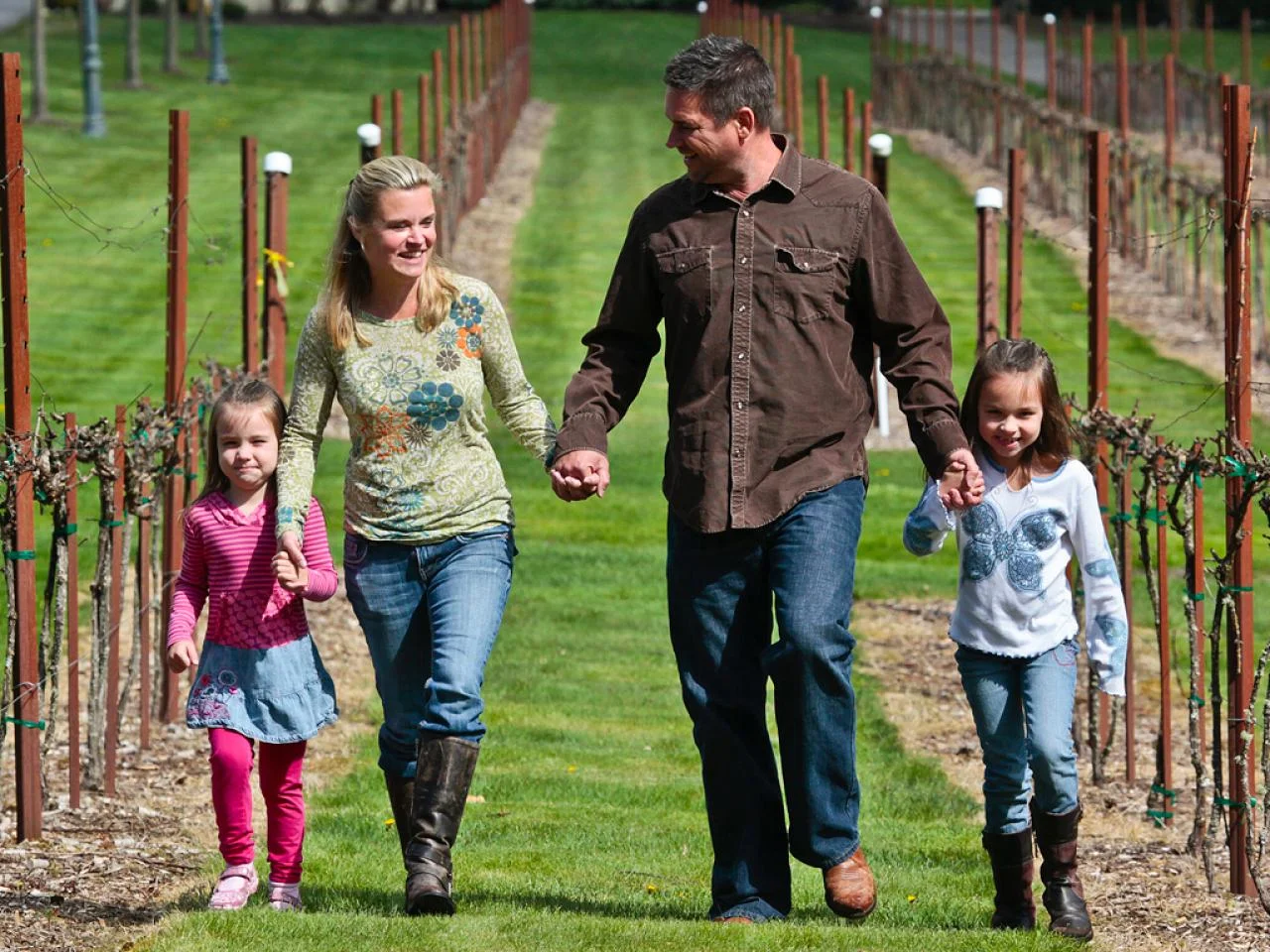
Christian Sparkman and his family in the vineyard

Christian Sparkman and his family in the vineyard

Interview with Christian Sparkman, Director of Winemaking and Owner of Sparkman Cellars

March 14, 2016

It is an arduous task for a winemaker to make both excellent red and white wines but Sparkman Cellars is one of the few wineries that can make quality wines from Riesling to Cabernet -- and everything in between (http://www.sparkmancellars.com/). Chris Sparkman has a huge hand in the Washington Wine Industry. Sparkman holds a Master’s Degree in International Environmental Policy from the Monterey Institute of International Studies. Originally from Knoxville, Tennessee, he has worked a wide variety of jobs, from being in the Peace Corps to leading a group of students in building a school in Gambia, Africa.

Sparkman boasts an impressive a history of working in high end restaurants and served as general manager of Seattle’s Waterfront Seafood Grill from 2003-2011. In 2010 he was named ‘Sommelier of the Year’ by Seattle Magazine. Previously, Sparkman headed service teams at Olives in Washington, D.C.(1999-2000), The Orangery in Knoxville, TN   (1991-94), Michael’s in Santa Monica, Calif. (1986-87), and the famed Commander’s Palace in New Orleans (1984-86) which has received worldwide acclaim for their wine list.

While at the Waterfront Seafood Grill, Chris Sparkman and his wife, Kelly, decided to start Sparkman Cellars in 2004. Since that time the winery has expanded exponentially. Sparkman has an impressive range of wines from Washington and even produce a Pinot Noir from Oregon. Christian currently serves as Chairman of the Washington State Wine Commission’s Board. He also currently sits on the Boards of Directors of the Auction of Washington Wine and Visit Seattle. I recently had the opportunity to sit down and talk wine with him. Here is my interview with Chris Sparkman, co-owner and director of winemaking at Sparkman Cellars.

WWB: I think you have hit a home run with your 2012 ‘Evermore’ Cabernet. I was very impressed with the structure and purity of fruit to this wine. Can you talk about that wine and that great vintage?

CS: I have been pursuing fruit from Dionysus Vineyard fruit for a few years and have been a fan of old vine Washington Cabernet. This is one of the oldest vineyard in the state and was planted in 1972. For many years I have wanted a chance to get the fruit from Dionysus and in 2012 we were able to procure some of their Riesling, which I called our ‘Birdie’ Riesling. That Riesling ended up being the number seven wine in the world from Wine Enthusiast and we were really proud of the project. There is something special about old vine wine from Washington. This ‘Evermore’ Cabernet, comes from two different blocks in the Dionysus Vineyard -- one planted in 1998 and one planted in 1972. We already had two Cabernets in our Sparkman lineup and our intention was not to make a new wine with Cabernet. But there were six barrels that sat in new wood and they all stood out to such a degree that we started bringing in colleagues, wine club members, and industry folks to taste this great wine. We thought we had something different and exciting with this wine.

I have a background as a sommelier. The restaurant guy in me said that we needed to have the quality in the bottle to sell for this at a high price. After folks kept on telling us ‘yeah this Evermore is special stuff’ we chose to give this one a higher price. Linn Scott was in charge of the 2012 Evermore Cabernet and is in charge of producing all of the wines. He did a fantastic job. At the end of the day I say whether we need a little more of something or not in the wines. We made 150 cases of this wine and have had very nice support for it. I thought somewhere along the line someone was going to call me a greedy bastard but people wanted more of the wine.

The 2012 vintage in Washington was the most average growing season that you can ask for, which means that it was perfect. If you can’t make wine in this vintage then you should think about going something else. With the picking we let it sit a bit and we believe that there are some things that you can measure and some of the things you can’t taste. PH and sugar and acid are all great markers but flavor is the only thing you taste. If the flavor is not wall there then we don’t want to pick it. That is sort of our overriding philosophy. We try to do that with all our Bordeaux varietals. We have four old blocks of Cabernet and this is sort of our firs go around with this. People tend to really enjoy the old single vineyard blocks. We source from Upland Estate which was first planted in 1971, the Bouchey Vineyard, planted in 1980 and the Klipsun Vineyard which was planted in 1984. At Sparkman we now have four different blocks which were all 30 years or older. In the future we are considering doing four different wines, all called ‘Evermore’, and so far in the barrel the wines are telling us this project might be a good idea. Each wine has their own personality. These individual wines tell the story of the place which his really cool. This Evermore idea is really compelling and it is not out of the realm of imagination that we would have four old vine Cabernets with the 2015 vintage.

WWB: I recently had the chance to run through a number of your impressive white wine releases and was impressed with your 2014 white wines, including the excellent ‘Luminere’ Chardonnay. I was very impressed with the structure in those wines, despite the heat of the vintage. Can you talk about how you were able to obtain such nice structure in those wines?

CS: The Stillwater Creek vineyard is the key to the ‘Luminere’ Chardonnay. We find that vines from Stillwater Creek produce wonderful minerality. This is not near Chablis but Chardonnay from Stillwater Creek tends to act differently than some of the hotter sites in Washington, like Cold Creek. I have to give the vineyard a lot of credit. We also do a native fermentation on that and have experimented with multiple yeasts for that wine. The flavors and profile are drawn from the yeast in the winery. It is difficult because the fermentations that we do take longer and are unpredictable but what they yield at the end of the day is what we want. The 2014 vintage I think was really a piece of cake with the winemaking. We have now been wrestling with 2015 vintage white wines and I am interested to see how this thing turns out. What happens is other things come in there with the vintage and you have to control it the best you can. I think we are going to have some really great Chardonnay in ’15, even though ’15 was less easy to work with. People have said this to us, forever, before we got into making wine -- that white wine is way harder to make than red wine. I think that is true. We have noticed that with Washington Sauvignon Blanc, as we have had to track down balance and structure to the wines. But in other, more cool, vintages, white wine is made more easily. It is also bizarre how varietals and barrels that will be in the same yeast and treatment will decide to do things differently. That keeps you humbled. You are on your toes when you work with white wines.

WWB: You make an Oregon Pinot Noir from the famous ‘Temperance Hill Vineyard’.  What got you interested in making Oregon Pinot Noir?  Can you talk about some of the challenges of working with that varietal and the challenges that you faced in the 2013 vintage in Oregon?

CS: We are privileged to work with some great vineyards at Sparkman Cellars. Not everyone gets into Klipsun or Dionysus vineyards. Our friend, Rob Stewart, helped us out with getting some good Oregon Pinot Noir. We were sold some really good Oregon Pinot in 2009 and it turned out to beautiful wine. It is starting to peak right now and is exactly where you want to drink Pinot Noir. Pinot is finicky to work with. In 2010 it was a really tough vintage down there and we were unable to get any fruit from Oregon. We declined to do it and it was hard to find supply that year. We had a cold growing season in Washington and wanted to focus on the Washington fruit in 2010. 2011 was also a hard vintage in Oregon and I was able to secure a younger block, [Dijon] clone 777, and we wanted to work with that. In 2011 we cold soaked the Pinot Noir for eight days just to make it have some color in the wine. There was even some dry ice involved and we had to watch out what was going on there. The 2011 Pinot turned out to be some really nice wine, like a Beaune wine from Burgundy. The wine is something more light and elegant. As it rounds in form here we are curious what happens to this wine. In the near future we will take a harder look at that wine and will re-release the wine later. I know a lot of people did that in Oregon with the 2007 Pinots. The 2012 Pinot Noir from Oregon made itself and the alcohol was low, only 12 percent. I think that the wine might be cresting right now. My opinion is that the alcohol levels are not that important with wine. 2013 in Oregon was really a nice and easy vintage. The fruit was as fine as we have seen but the last two vintages, 2014 and 2015, have been really good as well. Temperance Hill [vineyard] is at 750 feet. It is a cooler site for Pinot and it makes more elegant and earthier wines than Ribbon Ridge in Dundee. Folks are digging it. The 2013 Pinot Noir tastes best early than any of the Pinot that we have made.

WWB: Other than Sparkman Cellars wines, what other Washington wines or wines of the word do you enjoy?

CS: I enjoy the wine in my glass! Being in the wine industry makes me kind of ruined and you can’t drink crap wine when you are ruined. We had a bottle of Grand Cru Champagne last night for our anniversary which was fantastic. We just signed with Noble wines and that is our new distributor. We have been revisiting Italian wines and have been able to try some great Brunello. We like checking out Noble Wine’s impressive portfolio and doing some research on those things. We like a lot of white wines. Erica Orr’s wines are fantastic. She makes an old vine Chenin Blanc that is just delicious. She does a great job at Baer. If it is well-made then I want to taste it and I don’t have any prejudices. I think Washington has so many great flavors in their wines. One of the things that we are trying to capitalize on, being the chairman of the Washington Wine Commission, is that we have a wide variety of high quality wines. It is not one producer or one vineyard or one varietal. Washington has a dizzying array of world class wines. Some of the wines from Kevin White are great. W.T. Vintners are great as well. It is nice to see a new wave of winemakers, trying to figure it out and some of them have already had some great success.

Comment
Suparstar winemaker, Ross Cobb, with his bottlings of Pinot Noir

Suparstar winemaker, Ross Cobb, with his bottlings of Pinot Noir

Cobb Wines

March 8, 2016

A Sonoma coast winery that relies on small, meticulously farmed vineyards, Cobb Wines was founded by David Cobb in 2001. But their story begins in 1989 when David Cobb began cultivating Pinot Noir vines at his small Coastlands Vineyard, perched literally right on the Sonoma coast. David was previously working as a marine ecologist and spent much of his time learning about soils and climatological charts in trying to find the perfect spot for his vineyard. He found that the Sonoma coast was the perfect spot to grow great terroir driven Pinot, which required a good amount of heat, morning fog to keep temperatures moderate, and plenty of wind to protect the grapes from rot. Cobb Wines combines the winegrowing expertise of David Cobb—one of the first big players in Pinot Noir viticulture on the far Sonoma Coast—with the winemaking talents of his son, Ross Cobb. Ross has an extensive history in wine, previously serving at some prestigious wineries in the past, including Ferrari-Carano, and Williams Selyem, where he served as viticulturist and enologist.

Ross came on with his father and became head winemaker at Cobb. He knew that he had something special with their Pinot Noir from the Coastlands vineyard. In 2001, a mere 130 cases of their wines were made. This wine was a huge hit. Cobb has diversified exponentially since then, focusing hand crafted Pinot sourced from small, terroir driven vineyards. Subsequent Cobb Pinot bottlings have received some incredibly high scores from press. I recently had the chance to sample the new Pinot releases from Cobb. Each wine had a personality of their own. The Sonoma Coast style is a bit challenging to define. The Cobb Pinot releases were feminine and compelling wines that showed grace and terroir. For those who have not had Sonoma Coast Pinot, think Sonoma Valley meets Willamette Valley, with a touch of Burgundy. Once constant theme with the Cobb wine releases was the seamless quality to the wines. These wines glide through the imbibing experience, leading to a long and smooth finish. There is a wonderful minerality to these wines as they are all long-agers and will easily cellar well for another decade. While these wines are fairly pricey ($75.00 for each), they are worth some special attention. Cobb Pinot Noirs tend to be a bit difficult to find in the Northwest as you can only get them online through a mailing list or at a rare selection of restaurants. Learn more about Cobb wines at http://cobbwines.com/store/index.html. Here are the impressive new releases from Cobb.

2013 Cobb Wines ‘Coastlands Vineyard’ Pinot Noir- First planted in 1989, the Coastlands Vineyard has some of the oldest Pinot Noir vines on the Sonoma Coast. Due to the fog in the vineyard, the yields tend to be very low from this windy, 14.5 acre plot. The 2013 Cobb 'Coastlands Vineyard' shows the softer side of California Pinot. This expressive bottling begins with aromatics of black tea, red currant, red raspberry and hints of forest floor. There are flavors of red raspberry, lavender, Mandarin orange rind and guava in this light and very Beaune-like effort. Decant this for at least two hours before enjoying. Drink 2016-2026- 92

2013 Cobb Wines ‘Rice-Spivak Vineyard’ Pinot Noir-The 2013 Cobb 'Rice-Spivak' Vineyard Pinot Noir is sourced from a 6-acre vineyard, planted on Goldridge loam and ash, and owned Russell Rice and his wife, Dr. Helene Spivak. While the location of the vineyard is more inland than the other vineyards that Cobb sources from, this vineyard still maintains a very strong maritime influence. This wine begins with aromas of rose petals, lavender, crushed pomegranate seeds and red cherry. There are flavors of red cherry, red raspberry, Meyer lemon oil, and cran-pomegranate. The silky texture makes this feminine style Pinot sing. This is a smooth wine to savor and will cellar well for at least another decade. Drink 2016-2026- 93

2013 Cobb Wines ‘Emmaline Ann Vineyard’ Pinot Noir- David and Ross Cobb founded Cobb Wines in 2001, and craft Pinot Noir from small vineyards on the Sonoma Coast region. The Emmaline Ann Vineyard is slightly inland from the Coastlands Vineyard. Their 2013 'Emmaline Ann Vineyard' Pinot Noir is a gorgeous release that shows its feminine side. Needing more than an hour decant, this wine yields perfumed aromas of cinnamon, red cherry, red currant and cola. There are flavors of guava purée, red cherry, red raspberry and nutmeg. Lovely texture as this wine has a seamless quality. Drink 2016-2026- 93


#cobb #cobbwines #rosscobb #costlandsvineyard #sonomacoast #sonoma #pinotnoir

Comment
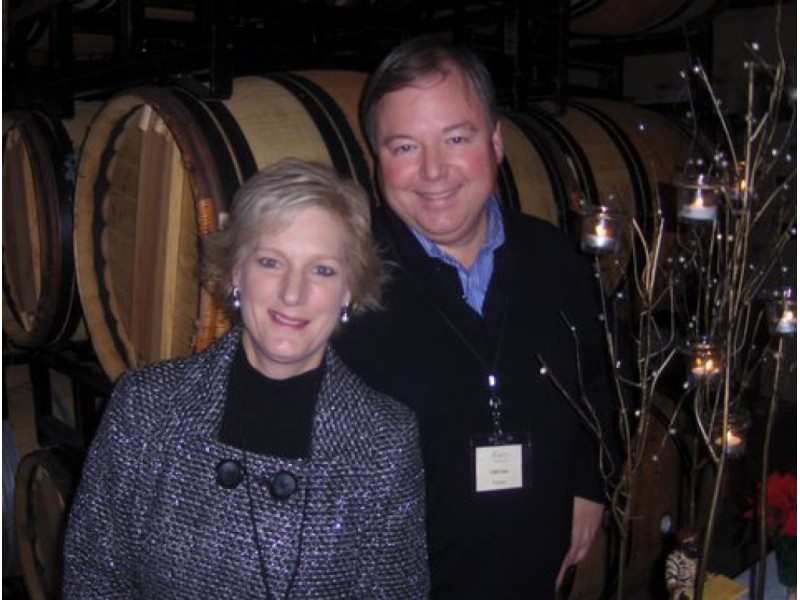
Matthews winery owners Diane Otis and Cliff Otis lead an impressive lineup of wines from Matthews and Tenor

Matthews winery owners Diane Otis and Cliff Otis lead an impressive lineup of wines from Matthews and Tenor

Matthews Winery and Tenor Wines

March 4, 2016

Since 1992, Matthews has been crafting some excellent Bordeaux style wines. Family owned and operated, Matthews relies on the winemaking talents of Aryn Morell. Morell has more than an exceptional resume, having previously worked at some of the highest end Napa wineries. In fact he has had previous stints at Joseph Phelps, Quintessa, Hartwell, Chimney Rock, Caldwell Vineyards, Vineyard 29, Chappellet, Rutherford Hill, Spring Mountain Winery, Stags Leap Winery, and Turnbull. He became head winemaker for Matthews in 2007 and in 2008 he launched Tenor Wines, a focus on ultra-premium red and white Bordeaux style wines. Morell sources his grapes from some great vineyards in Washington like Stillwater Creek, Weinbau and Sagemoor. All wines are made at his production facility in Walla Walla.

A recent visit to the Matthews/Tenor tasting room in Woodinville impressed. The wines showed the balance that Morell is known for, as the structure of his red and white wines were exceptional. Morell’s winemaking style is Bordelaise, as his wines are typically more classic, even in warmer years. His 2013 Tenor Sauvignon Blanc (WWB, 92 points) was highly impressive and is one of the best Washington Sauvignon Blancs that I have sampled in the past year. Despite the heat of the vintage Morell was able to obtain lovely structure alongside the dense fruit flavors. Other solid efforts included the 2012 Matthews Claret (WWB, 92 points), which is a blend of 54% Cab Sauvignon, 25% Cab Franc, 10% Merlot, 5% Syrah, 3% Malbec, & 3% Petit Verdot. This wine sings with balance and ripe fruit flavors. While it is hard to resist right now, it will cellar beautifully. Here are some of the great wines that I recently sampled at Matthews and Tenor wines. Learn more about them at http://www.matthewswinery.com/ and http://www.tenorwines.com/

2014 Matthews ‘Stillwater Creek’ Sauvignon Blanc-This wine has nice viscosity in glass and includes some Sagemoor vineyard fruit with the mainly Stillwater Creek fruit. It begins with aromas of cut grass, oak, and cantaloupe. They elected to age 30% of the wine in concrete vessels, while the rest was aged in stainless steel. There are medium weight flavors of orange zest, cantaloupe, poached pear, as the wine finishes slightly sweet. Nice combination of structure and fruit to this solid bottling. Drink 2016-2022- 90

2013 Tenor Sauvignon Blanc- Sourced from the Stillwater Creek and Lawrence vineyards, the wine was aged for 7 months in 100% new French oak, without fining or filtration. This dense white wine begins with aromas of whipping cream, oak, cut grass and ripe Bartlett pear. There are flavors of Fuji apple, honeydew melon and oak with a long finish. Very impressive, with a rich mouthfeel. Drink 2016-2024- 92

2013 Matthews ‘Blackboard’ Red Wine-  The fruit from this wine was sourced from a host of vineyards including Hedges, Bel'Villa, Red Mountain, Canyons, Stillwater Creek, Weinbau, Bacchus, Dionysus, Pepperbridge, XL, and Blue Mountain vineyards.  It was aged in 20% new French oak, 80% once and twice used French oak before bottling in March 2015. This red blend begins with aromas of dill, red bell pepper, anise and spicebox. Three are medium weight flavors of red bell pepper, anise, red cherry and nutmeg. Lovely structure to this solid bottling, as I can see this thing cellaring well. Drink 2016-2024- 90

2012 Matthews ‘Columbia Valley’ Claret-The wine was aged 18 months in 40% new French and 60% once used French oak before bottling in May 2014. It is a complex blend of 54% Cab Sauvignon, 25% Cab Franc, 10% Merlot, 5% Syrah, 3% Malbec, & 3% Petit Verdot. You can see that this has had some time in the bottle to soften. This wine opens with aromas of dill, blackberry pie, and blueberry compote. There are deep flavors of blackberry pie, blueberry, black plum, and graphite. Lovely structure, as this has racy acidity. Give this thing a one hour decant before opening right now. Drink 2016-2026- 92

2012 Tenor 2:2- Grapes were sourced from the Hedges Estate, Red Mountain Vineyard, and Stillwater Creek vineyard. This is their right bank blend, as it is comprised of Merlot, Cab Franc and a touch of Cabernet. It was aged 18 months in 88% new French oak prior to bottling. This wine begins with perfumed aromas of blackberry preserves, anise, and cedar with a touch of black truffle oil. There are flavors of anise, cassis, blackberry jam, black plum and cloves with Turkish coffee alongside mild to moderate tannins. This wine will cellar well but it is hard to resist right now. Drink 2016-2027- 93

2011 Tenor 2:2- This Merlot blend was sourced from the Stillwater Creek, Red Mountain, Weinbau and Bel'villa vineyards. The wine begins with herbaceous aromas of dried sage, red bell pepper and blackberry jam. This leads to flavors of anise, cassis, blackberry and medium weight. Lovely structure but not quite the weight or complexity of the 2012. This will cellar gracefully. Drink 2016-2025- 91

2012 Tenor 1:1- This wine is a blend of 84% Cabernet Sauvignon, 11% Cabernet Franc and 5% Merlot. It was aged 20 months in 100% new French oak and was sourced from Hedges Estate, Red Mountain, and Stillwater Creek vineyards. There are complex aromatics of black cherry black plum oak and blackberry cobbler. This leads to flavors of blackberry, anise, coffee grounds and graphite alongside moderate tannins. This will have a very long life in the cellar but if you want to consume it immediately, give this gorgeous wine at least an hour decant. Drink 2018-2029- 92

2010 Tenor 1:1- The Cabernet wine was sourced from the Stillwater Creek vineyard and the Lawrence vineyard.  It was aged 16 months in new French oak prior to bottling. This wine starts with a bouquet of dill, red cherry, red raspberry, lavender and cassis. Slightly on the herbaceous side, but in a good way. This leads to flavors of mocha, black cherry, black olive and pipe tobacco alongside moderate tannins. Drink 2016-2028- 92

 2012 Tenor Syrah- This dark hued wine begins with dense aromas of smoked meats leather and wet rock. There are medium to heavy weight flavors of sagebrush, anise, smoked meats and tar alongside mocha and blackberry jam. Delicious and age-worthy Syrah that will cellar very well. Drink 2016-2025- 92


#matthewswinery #matthews #tenor #tenorwines


Comment
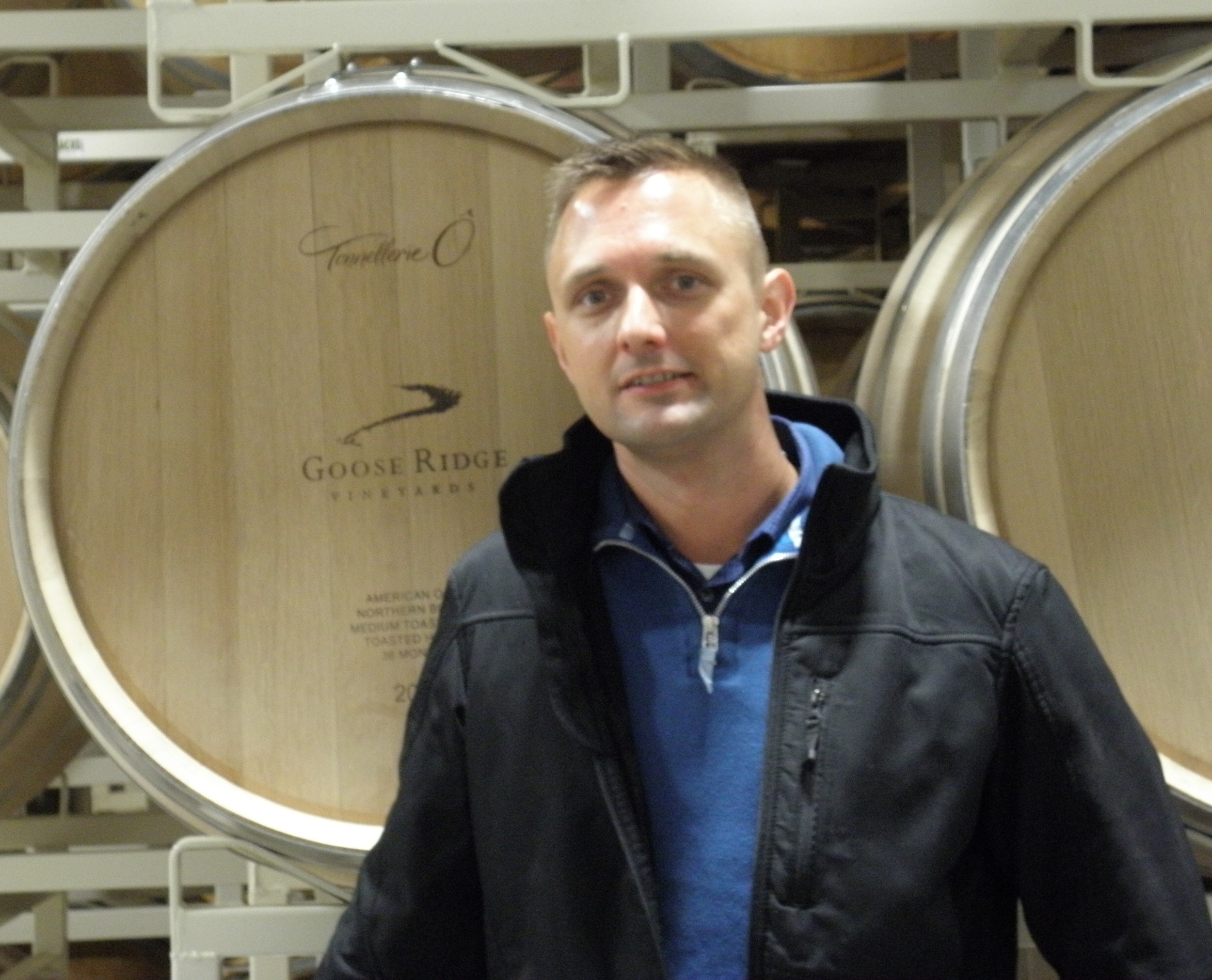
Head winemaker at Goose Ridge, Andrew Wilson, has crafted some fantastic new release wines.

Head winemaker at Goose Ridge, Andrew Wilson, has crafted some fantastic new release wines.

Goose Ridge

March 1, 2016

If you are driving along I-82 north of Tri-Cities, look out on your right hand side. Eventually you will see a massive cluster of vineyards (http://www.washingtonwine.org/wineries/goose-ridge-estate-vineyard-and-winery/) that dominate the horizon. This is the remote but absolutely gorgeous backdrop for Goose Ridge Vineyards. While they were initially based outside of Tri-Cities at their production facility, they set up a tasting room in Woodinville a few years back. Started by the Monson family, Goose Ridge was started in 1998 under the direction of Dr. Walter Clore, the Father of the Washington Wine Industry. The 1,900 acre vineyard is planted on a south-facing slope in Washington's Columbia Valley appellation adjacent to Red Mountain. Goose Ridge focuses on creating value priced Bordeaux and Rhone varietal wines. Their new releases were highly impressive.

While I would recommend that you visit their tasting room at their estate, located just outside of Tri-Cities, those based in the Seattle area can take advantage of their Woodinville tasting room. It had been a year since I had run through their lineup of wines and I was very impressed at their current offerings. Most of these wines are priced under 30 dollars. Head winemaker Andrew Wilson has crafted some fantastic new releases. For many years I have been a fan of their Chardonnay. Their new release, the 2013, was no exception (WWB, 91 points) and offered rich fruit flavors of golden delicious apple and bananas foster. This wine over-performs for the price. Many of their red wines have been kept back, particularly those from cooler vintages of 2010 and 2011. Their 2010 ‘Vireo’ was an exceptional value (WWB, 92 points) which showed rich and dense fruit flavors that were surprising considering the coolness of the vintage. This wine is drinking in its sweet spot. You can really see the skill of the winemaker, as Andrew Wilson got the most out of these cooler and more challenging vintages. Learn more about Goose Ridge Vineyards online at http://www.gooseridge.com/Wines/Reserve. You can find these wines at many area grocery stores like QFC and Met Market, as well as Northwest wine shops. Here are my reviews of the great new releasesfrom Goose Ridge:

2014 Goose Ridge Sauvignon Blanc- This wine begins with aromas of cut grass, unripe pear and a dash of Jalapeno pepper. Flavors of red delicious apple, poached pear and lychee with a nice cream finish. Finishes clean. Drink 2016-2020- 89

2014 Goose Ridge Vineyards 'GRV'- The ‘GRV’ is an enticing blend of 50% Viognier, 27% Grenache Blanc and 23% Rousanne . The wine begins with medium weight aromas of starfruit, gala apple, honeydew melon and poached pear. This leads to flavors of red delicious apple, lemongrass, green papaya with a vanilla cream finish. Very solid. Drink 2016-2021- 90

2013 Goose Ridge Chardonnay- The Chardonnay was aged 9 months in 100% French oak (57% new). This wine begins with aromas of brioche toast, honey, golden delicious apple and toasted oak. There are flavors of golden delicious apple, bananas foster and nice extraction. The cream finish lingers. Not for the weary. Drink 2016-2022- 91

2011 Goose Ridge Merlot- The wine was aged 22 months in 70% French, 20% American and 10% European oak barrels(60% new) before bottling. This cold vintage Merlot begins with aromas of tangerine rind, red cherry, red raspberry and dill.  There are medium weight flavors of red cherry, boysenberry and sagebrush. Drink 2016-2024- 89

2010 Goose Ridge Cabernet- The Cabernet was aged 22 months in 55% French, 40% American, 5% European oak barrels (60% new) prior to being bottled. This wine begins with aromas of stewed prune, red cherry, dill and anise. This leads to flavors of cassis, anise and mocha with a slight graphite edge. Very polished. Drink 2016-2024- 91

2010 Goose Ridge ‘Vireo’- The colder vintage wine is a blend of  40% Syrah, 35% Merlot and 25% Cabernet Sauvignon. There is a heavy oak influence as they have aged this 25 months in 76% French, 14% American and 10% European oak. Head winemaker Andrew Wilson has done exceptionally well here. It begins with an absolutely gorgeous perfumed nose with rose petals, anise, creme de cassis and red bell pepper. Medium to heavy weight flavors of anise, creme de cassis, blackberry preserves and mocha coat the palate, alongside mild tannins. Simply delicious right now. Drink 2016-2024- 92

2010 Goose Ridge 'Sol Duc'- This wine begins with aromas of red bell pepper, cedar and red cherry. This leads to flavors of red cherry, red raspberry and vanilla. This wine has a polished texture and finishes smooth. Drink 2016-2025- 91

2011 Goose Ridge 'Sol Duc'- This wine sits in the glass as aromatically shut down and needing at least a one hour decant before serving. The wine has aromas of cedar, red bell pepper and sage in this herbaceous wine. There are flavors of red cherry, anise and spicebox. Lovely texture to this polished effort. Drink 2016-2025- 91

 2014 Goose Ridge Riesling Ice Wine- Weighing in at 23.3% residual sugar the wine begins with aromas of vanilla creme brûlée, bananas foster and apricot preserves. This leads to flavors reminiscent of creme brûlée, French vanilla truffle, apricot preserves and a lingering finish. Gorgeous wine here that has some aging potential. Drink 2016-2025- 93


#gooseridge #gooseridgevineyards #wawine

Comment
Without a doubt, one of the top winemakers in the state is Chris Upchurch of DeLille Cellars and his new project, Upchurch Vineyard

Without a doubt, one of the top winemakers in the state is Chris Upchurch of DeLille Cellars and his new project, Upchurch Vineyard

Interview with Chris Upchurch, Owner and Head Winemaker of Upchurch Vineyard

February 25, 2016

Interview with Chris Upchurch, Owner and Head Winemaker of Upchurch Vineyard

A winemaker that needs no introduction, Chris Upchurch has achieved a venerable reputation as head winemaker at DeLille Cellars. Before Chris crafting 90 plus point wines at DeLille, he was traveling the world and sampling some of the world’s best wines. Chris completed a Bachelor of Science degree from the University of Colorado and the University of Washington and then began working as a wine merchant, which helped him improve his palate through some of the best wines from around the world. Chris then became the founding winemaker and partner of DeLille Cellars. For 23 years Chris has worked as head winemaker at DeLille. There are few Washington winemakers that have received the same level of accolades during that time. For those who have tried the DeLille lineup, you can taste the difference in the glass. Chris crafts some of the best Bordeaux blends and Rhone red and white wines in the state. In fact, my number two wine last year was the 2013 DeLille Cellars ‘Chaleur Estate’ Blanc, a Bordeaux style white wine that DeLille has made famous after being the first in the state to create this style of wine (http://www.washingtonwineblog.com/top-100/#/2015-top-100/). In 2007 Chris started the Upchurch Vineyard on Red Mountain. I recently had the chance to sit down with Chris and talk about his wine, as well as his project at Upchurch Vineyard. Learn more about this impressive winery at https://upchurchvineyard.com/ Here is my interview with Chris Upchurch, head winemaker at DeLille Cellars and Upchurch Vineyard.

WWB: Can you describe some of the changes of being an owner of Upchurch Vineyard, as opposed to your responsibilities at DeLille Cellars?-

CU: That is an advantage and a disadvantage because some winemakers want to just talk about their own product. I am headed to New York tomorrow to represent Upchurch Vineyard. This means the sales end and not only talking about my product. For me going New York and seeing a bottle of my wine on the table -- that makes me feel thrilled. After working 23 years at DeLille I get a kick out of seeing that because I am now going out and meeting a lot of different people in wine. It feels like a full circle thing, now being the owner of Upchurch Vineyards. But sometimes this new process really gets to you, when you are doing a day here, a day there, and sometimes they might not set things up like they should. During my trip to New York I am going to be hitting up some bottle shops and then also visiting some other areas that we can promote Upchurch Vineyards. The general sales aspect tends to be tough but it is part of the show. While I am still an owner for DeLille, most people in wine want to talk to the winemaker. I want to do things in a craftsman like way, which means that you have to go out there and meet people. Connecting with people is a larger part now.

WWB: Can you talk about your experiences being at DeLille for 23 years and seeing the industry change?

CU: At DeLille, we always believed that we didn’t want to do the mainstream types of wines. We wanted to craft the finest wine that we could. We didn’t want to make too much wine and we wanted to educate the people about the wines because we were changing the game a bit. At DeLille our lineup started with Bordeaux blends. Nobody was doing that kind of thing in 1992. DeLille Cellars were the first doing Cab and Cab Franc with Petit Verdot blends. In `95 we made a White Bordeaux which nobody from Washington State was doing at the time. With regards to Chardonnay, I don’t think that Washington’s best varietal is Chardonnay. I think that Chardonnay shouldn’t be grown next to Cabernet in the vineyard. I really liked the fact that Semillon grows so well in Washington. Over time we have learned that Semillon doesn’t grow that well elsewhere in the new world. California has given up growing Semillon, and Australia makes some Semillon but it might be blended with the Chardonnay. We see this is an opportunity for me to make really great and interesting Semillon here in Washington State. Sauvignon Blanc really likes to grow everywhere and knowing that I wanted to create that I could make a white blend that other countries couldn’t do quite as well. The DeLille Chaleur Estate Blanc came out of this idea. We wanted to do something different but that meant that we had to educate people what about what a white Bordeaux is. People say that the Chaleur Estate the best white in Washington State. From there we were excited about our Bordeaux Blanc and we decided to make a Rhone white at DeLille. By making a Rousanne that was a challenge to educate people about how look at that varietal, since Rousanne wasn’t typically made in Washington State at the time. I feel that I can make a Washington Chardonnay as good as anybody in Washington State, but at DeLille Cellars we wanted to make some different wines that we thought we could do better and the wine program has worked well for us.

WWB: I was hugely impressed with your 2013 DeLille Cellars Chaleur Estate Blanc (Washington Wine Blog, 95 points). Can you talk about the Washington Wine Blog #2 wine of 2015, the 2013 Chaleur Estate Blanc? How were you able to get that level of structure in 2013, a hotter vintage?-

CU: At DeLille have many different vineyard sites for this wine. One of the sites is really cool, the Bouchey vineyard, and even in a hotter years the clusters from Bouchey make it to the third week of September for harvest. Bouchey is not a hot site and that is always helpful in a hot year. We also source Sauvignon Blanc from Sagemoor vineyards which is some of the oldest vines in the state for Sav Blanc. Winemakers like to seek out older vines. These vines of Sav Blanc at Sagemoor vineyards are over 30 years old and the sugar doesn’t tend to move as fast during the ripening process and the acidity is there in the grapes. The structure from those components can be seen in the wines. It is important to consider blending with grapes that are capable of obtaining a good deal of structure in a warmer year.
Then we have the Klipsun vineyard site which tends to be warmer each year. That site will help us out in cooler years, like 2010 and 2011. The cooler years typically mean that we will need ripeness from the hotter vineyard sites. The main thing in the hot year that you have to be careful that the sugars in the grapes don’t outrun the flavors and structure of the wine. The flavors are really important and because of that we are usually waiting for the flavors to come on and we always need to watch the sugar level. In terms of vineyard management, there are also ways to slow down the vineyard. It is always helpful if you can build your own vineyard from the ground up and that is like what we are doing at Upchurch Vineyard. We try to produce very concentrated berries but also have the ability to slow things down in terms of ripening. We do the same kind of things, although I can’t change clones too much in older vines. But I can manipulate the canopies, depending on heat during the growing season.

WWB: How did you decide to purchase the site for the Upchurch Vineyard?-

CU: The plot of land became available to me and I offered it to DeLille. For many years I have been interested in having my own vineyard. I had some money for this set aside and I decided to buy this vineyard myself. This worked well thinking that I would maintain my position at DeLille and have most of the grapes go to DeLille for their wines. I have been really happy being at DeLille over the years. DeLille has been my career and I am one of the owners there. But I have a number of business partners there, and many partners mean that Upchurch Vineyards was never was going to be generational. But now that I have purchased the vineyard, it will be. I have my daughter working on the books and management and Upchurch Vineyard will be a generational thing.

WWB: The 2013 Upchurch Vineyard Cabernet (Washington Wine Blog, 94 points) was an outstanding release with rich fruit flavors and structure. Can you talk about the wine?-

CU: With the Upchurch vineyard we like to see it as is one plot, one family, and one wine. The quantum leap is in the vineyard. In the cellar, you can do a lot of things like different yeasts or different barrels. You can do all of things in the cellar but the vineyard is the most important. Once you have the grapes in the cellar you can tweak things but you are not able to truly change the design of the wine. In Red Mountain some of the older vines are dealing with issues. Bottom line is that you can do so many special things when you start from the ground up. That is what we thought and we started with the premise that you plant Cabernet in Red Mountain you probably are going to like the wine produced from that region. We had the idea that we wanted to make exceptional wines from this special place. We operate from trying to produce small yields. When you have lower yields you want to concentrate the fruit. You can have the problem with the sugars coming on too fast, so you have to slow it down the sugar in the wine. When you slow down the vine and get it right, that means October ripening which is what we look for, the later ripening with dense fruit. At Upchurch Vineyard we selected clones that are well-known in the area. We discovered that Red Mountain Clone 2 is slightly slower with the ripening, which leads to fantastic fruit. The Red Mountain Clone 2 tends to ripen week later than some other clones. Red Mountain Clone 2 is actually not a Washington clone and not a Davis clone but it is an old Oakville clone. I assume that it might have been an old Inglenook [winery] clone. This clone really grows well in Red Mountain and I am having a lot of success with it.
Ideally we want to have the yields smaller and last year, despite the heat of the year, we got two and a half tons per acre. We have higher density and tighter spacing in the vineyard. We also do a lot for even ripeness. That is something that plagues a lot of vineyards, working without even ripening. The idea behind this is that you always want to get the grapes ripe. Even 10 percent under-ripeness can come out in the wine. Even if the balance is 25 brix then the lower ripeness grapes can be problematic, getting the lower ripeness grapes up to a higher brix. If you can balance the ripeness, you have a great wine. I have noticed that Chateau Latour in Bordeaux does that perfectly well. If you walk through Chateau Latour’s vineyards it seems like they have even ripeness throughout. That means that they can pick at a lower sugar because everything is even. The even ripeness is important. When planting our vines, we have found that a diagonal orientation works best. We learned that as the sun travels at an arc, the high point is actually 130 degrees, and then you have the majority of the sun on the west side -- whereas if you tilt it to northeast about 10 degrees then you are really catching the top of the vine. It is great to go out to the vineyard and see that around 1:30 in the afternoon and see the shade of the vine right under the rows. That is cutting it right at the 130 degree mark. It is key to work towards having equal sun across the vineyard throughout the summer.
The Upchurch Vineyard is sustainable from the ground up and it is a lot easier to start with sustainable farming because you have everything working together from the beginning. From there we are just tweaking the wine to get it where we want. We have noticed that are getting the right floral character in the vineyard that we want. We have been able to create the Chateau Margaux-like floral aspect in our Cabernet wine. These nuances are perfect because we don’t want our Upchurch Vineyard Cabernet to be the same as the other wines. We like the blend that we have constructed in 2013, with the 9 percent Merlot. The Merlot balances the wine. You don’t always know and when you plant something that it will work out great but we are really happy with the result.

WWB: What is it like having your daughter working with you?-

CU: I love working with my daughter. That makes me feel really good that Upchurch Vineyards is a family winery. My daughter is just one of those girls that is so outgoing and sometimes that just drives me nuts. She was one of those people that would go knock on doors and talk to people when she was little. She has always been so good with people. She would go around and do all these things and she would even want to give the neighbors something. She would ask me to make doughnuts, so that she could would go around and give the neighbors the doughnuts and talk with them. She has always been a people person and she wouldn’t stop talking as a little girl. Whenever we were traveling we get off on airplane and everyone would be talking to her and they would say ‘bye’ to her, like they were all friends. We would go to a ballgame and everyone would talk with. We all have friends or people we know where everyone likes. She has the temperament where everyone likes her. It is a great thing and it is a natural born talent that I envy. I have had people work for me like that and it is just great working with them. I love working with her and that is really fantastic that she wants to be in the family business.

#upchurchvineyard #upchurch #chrisupchurch

Comment
Chandler Reach is one of the most gorgeous settings for Washington wine tasting.

Chandler Reach is one of the most gorgeous settings for Washington wine tasting.

Chandler Reach

February 22, 2016

A winery that focuses on their estate grown fruit, Chandler Reach has been producing some impressive red and white wines for more than a decade. The Perris family dream began in 1997 on a trip to Italy where they decided to launch a winery between Richland and Prosser off I-82. Len Parris was interested in building on his 21.5 acreage and decided to purchase the adjacent land next to his. He called the family who owned the extra land and they agreed to a price. Parris took to a tractor and cleaned up the land, which took a lot of time and was filled with large tumbleweeds. He needed someone to help with planting grapes and sought out help from Den Hoed winery. In 1999 vineyard was planted with starts off from the famous Ciel du Cheval vineyard.

The Chandler Reach winery has an absolutely stunning Tuscan style villa overlooking the valley and Yakima river. It is an absolutely gorgeous setting to taste their wines. If you have never had the chance to visit this villa, it is a must for any Washington wine lover. The Chandler Reach red wines are all estate grown and show ripe and flavorful qualities. You can typically taste the richness of the heat in that area, especially in hotter vintages. They have received considerable recognition for their red wines, especially their Cabernet Franc and their Monte Regalo, a Cabernet blend. Their white wines are also impressive as Kestrel vineyards provides the fruit for their Chardonnay and Viognier bottlings. Their Reserve tier bottlings called Parris Reserve are highly impressive. At a recent visit to their Woodinville tasting room, I was particularly impressed with their reserve lineup. One thing that makes these current releases so great is that they are all held back, so that they are drinking beautifully right now. All of the new release wines showcased beautiful and rich fruit flavors. Owner and head winemaker Len Parris has impressed with his recent lineup. Check out more about Chandler Reach wines at http://www.chandlerreach.com/#estate-winery

Some of these wines can be found at Costco. They can also be found at great Northwest wine shops like Met Market and Esquin, as well as online at the Chandler Reach website. Here are some of the fantastic new release wines from Chandler Reach winery. #chandlerreach

2013 Chandler Reach Chardonnay- The wine has aromas of ripe pear, banana and golden delicious apple. Flavors of Granny Smith apple, green papaya, poached pear and wonderful freshness. Nice minerality and lip smacking acidity to this wonderful summer wine. Drink 2016-2022- 91

2011 Chandler Reach ‘Brevetatta’- This wine is a blend of 73% Syrah, 18% Merlot, and 9% Sangiovese. The wine has aromas of red cherry, sandalwood, red raspberry and blackberry. Flavors of red cherry, blackberry and anise. Lovely fruit flavors considering the vintage. Nice minerality and balance, considering the coldness of the vintage. Drink 2016-2023- 92

2009 Chandler Reach ‘Parris Estate Reserve’ Cabernet Franc- This wine begins with dense aromas of red bell pepper, thyme, anise and cassis. There are rich flavors of anise, sagebrush, red raspberry and cherry pie. The wine has seamless texture and wonderful richness and minerality. Impressive effort here, as this represents one of the best Cab Francs in the state. Drink 2016-2024- 93

2010 Chandler Reach ‘Monte Regalo’- Aged 22 months in oak before bottling, the wine is a blend of 68% Cabernet with 20% Cabernet Franc and 12% Merlot. This outstanding wine begins with lovely black fruit aromatics of blackberry preserves, black olive and tar. There are flavors of blackberry, black cherry, black olive tapenade and mocha. Nice structure and fruit flavors to this very solid wine. Drink 2016-2022- 92

2010 Chandler Reach ‘Parris Estate Reserve’ Cabernet- The wine has aromas of anise, sagebrush, cassis and black olive. This leads to dense flavors of creme de cassis, black cherry, black raspberry and black truffle. Absolutely polished and lovely effort, with nice structure from the cool vintage. It is particularly impressive that they managed this fruit profile in 2010. Drink 2016-2023- 93

2013 Chandler Reach Parris Estate Reserve’ Barbera- The compelling wine has aromas of wild mushroom risotto, sage, anise and red currant. Flavors of red cherry, red raspberry, gooseberry and sage persist. This is hugely novel. Fantastic texture and viscosity to this wine. This is one to savor. Drink 2016-2023- 93

Comment
Banshee winemaker, Noah Dorrance, crafts some fantastic Chardonnay and Pinot Noir

Banshee winemaker, Noah Dorrance, crafts some fantastic Chardonnay and Pinot Noir

Banshee

February 17, 2016

A top Sonoma producer of Chardonnay and Pinot Noir, Banshee focuses on providing single vineyard bottlings that showcase terroir and finesse. In the Sonoma Coast region, Banshee sources from Coastlands, Emmaline, and Rice-Spivak vineyards.  These vineyards have unique terroir, elevation and oceanic influence that you can taste in the bottle. Banshee also sources from other Sonoma sites such as Vineyards such as Tina Marie in Russian River, Hurst in Sebastopol Hills, and Sullivan on Sonoma Mountain show the range of terroir and flavor profiles that is only Sonoma. Founded by three friends from the Midwest and East Coast that grew up tasting flights of wine in college rather than chugging cheap light beer, Banshee was first started in 2009. These guys have received considerable acclaim in only a few years. Noah Dorrance heads the winemaking team that includes superstar wine consultant Ross Cobb (founder/winemaker of Cobb wines) and Katy Wilson (formerly Flowers assistant winemaker). Dorrance and his team work on capturing the Burgundian side of Pinot and Chard.

The new releases were gorgeous and balanced. These are some very early releases but I was surprised how nicely the ’14 Pinot and Chard releases were showing. Their 2014 Sonoma Coast Chardonnay (91 points) bottling shows good value and displays a wide range of flavors while showcasing the Sonoma terroir. While the range of Pinots were very solid, the most impressive one was the 2014 Sullivan Vineyard (93 points) which captured a huge range of flavors and impressed with its vibrant minerality and long finish. Check out this solid lineup of Pinots and Chards at www.bansheewines.com  

2014 Banshee Sonoma Coast Chardonnay- This wine was 90% barrel fermented for 11 months (40% new) and was sourced from the Heintz vineyard as well as the Bohemian vineyard in Green Valley. This wine begins with Aromas of orange blossoms, ripe Bartlett pear and Gala apple with nutmeg accents. There are flavors of golden delicious apple, starfruit, Bartlett pear and creme brûlée. There is a slight saline streak alongside a long finish. Nice viscosity here. Drink 2016-2023- 91 $25.00

2014 Banshee Bohemian Vineyard Chardonnay- This wine comes from a very small, 1 acre, vineyard located in the town of Occidental in the Green Valley. Lively aromatics of Meyer lemon oil, oak, pineapple and Granny Smith apple. This leads to flavors of red delicious apple, unripe pear, and vanilla cream with a slight grassy element. Lovely range of flavors. Drink 2016-2024- 92 $40.00

2014 Banshee Sonoma County Pinot Noir- The wine comes from largely Sonoma coast fruit (79%) and was aged 11 months in French oak (20% new). This wine has aromas of cherry cola, raspberry, baking spices and pomegranate seed. Flavors of red raspberry, dill, sagebrush, red cherry with hints of vanilla persist. Drink 2016-2024- 89. $35.00

2014 Banshee ‘Marine Layer’ Pinot Noir- This hand sorted wine come from three vineyard sites, Coastlands, Rice-Spivak, Jack Hill and Thorn Ridge. This has aromatics of red bell pepper, red cherry, red raspberry and sage. This leads to flavors of cherry cola, orange rind, and cran-pomegranate. Delicious and balanced wine here that shows the Burgundy meets Sonoma arrangement. Drink 2016-2027- 92 $50.00

2014 Banshee ‘Tina Maria Vineyard’ Pinot Noir- This ten acre site is slightly west of Graton, CA. The high density plantings are farmed by Ron Black. This wine has aromas of red cherry, cranberry, and nutmeg. There are flavors of red cherry, cranberry, and orange rind with a hint of Christmas spice. Delicious and tangy effort by these guys that has delicate texture and lovely nuances. Drink 2016-2026- 92 $50.00

2014 Banshee ‘Sullivan Vineyard’ Pinot Noir- This vineyard comes from the Sonoma Mountain AVA, on an elevation of 750-900 feet. The wine underwent 10% whole cluster fermentation and spent 20 months in French oak (20% new) prior to bottling. Aromas of crushed white flowers, lavender, red cherry and red raspberry. This leads to flavors of red cherry, red raspberry with a long and lingering finish that coats the palate. Very solid and lovely balance. Drink 2016-2027- 93 $60.00

2013 Banshee ‘Coastlands Vineyard’ Pinot Noir- Owned and farmed by the Cobb family, Coastlands Vineyard was first planted in 1989, and contains some of the oldest pinot noir vines on the Sonoma Coast. This wine was aged 20 months in 20% new French oak prior to bottling. The wine begins with aromas of red currant, red cherry, guava and nutmeg. There is a lovely red fruit meets black fruit flavor profile at play with flavors of red cherry, dill, boysenberry and Shitake mushroom. Lovely wine that will cellar beautifully for another decade. Distinctive bottling with lovely terroir. Drink 2016-2027- 92 $70.00

2013 Banshee ‘Jack Hill Vineyard’ Pinot Noir-This is the coolest site that Banshee sources from and has a west facing aspect that’s surrounded by an old forest. The 2 acre vineyard is located near the town of Occidental. The wine opens in the glass with aromas reminiscent of teaberry, red raspberry, lavender and cherry pie. This leads to flavors of red cherry, pomegranate, kumquat and red raspberry. A bit lean but tasty. Drink 2016-2025- 90 $60.00

2013 Banshee ‘Rice-Spivak Vineyard’ Pinot Noir- This vineyard was first planted in 1999 and utilizes both Dijon and Swan clones. It was aged 20 months in French oak (25% new) prior to bottling. This Pinot has aromas of red cherry, red raspberry and cloves. This leads to flavors of cherry pie, guava, pomegranate and vanilla. Lovely bottling that has character. Drink 2016-2026-92  $70.00

#banshee #bansheewines #sonoma #sonomacoast

Comment
Reynvaan sisters Amanda (L) and Angela (middle) created this impressive project winery, Result of A Crush

Reynvaan sisters Amanda (L) and Angela (middle) created this impressive project winery, Result of A Crush

Result of A Crush

February 16, 2016

When the Reynvaan family is involved, good things happen. Reynvaan Family Vineyards opened up their Walla Walla winery in 2004. This quickly developed into a Washington State superstar winery by creating some incredible Syrah wines (http://www.reynvaanfamilyvineyards.com). The 2012 Reynvaan ‘In The Hills’ Syrah was my #9 wine of 2015 (http://www.washingtonwineblog.com/top-100/#/2015-top-100/) and was a hugely impressive dense and terroir driven effort. But not everyone can afford a 50 plus dollar bottle of Washington Syrah.

Result of A Crush was started by Amanda Reynvaan and Angela Reynvaan Garratt, sisters of consulting winemaker Matt Reynvaan. The idea behind Result of A Crush was to produce distinctive and terroir driven wines that are more affordable than the Reynvaan wines. I have recently had the chance to try both of the new red wine releases here and they are both highly impressive, bright and rich bottlings. They are different animals. While the 2012 Red Wine utilizes a lighter, more red fruit flavor profile, the 2013 has a darker fruit profile, with some smokier components at play. They are both very impressive releases, considering the price. Here are their prices at the winery:

Result of a Crush Rose NV --$20.00

Result of a Crush Red Blend 2011 --$28.00

Result of a Crush Red Blend 2012 --$28.00

Result of a Crush Rose 2012 --$24.00

They haven’t released their 2013 Red Blend quite yet, but it is definitely one to look out for. Learn more about Result of A Crush at http://resultofacrush.com/or on Facebook at facebook.com/ResultofaCrush You can also stop by their Walla Walla tasting room. Here are the new releases from Result of A Crush:

2012 Result of A Crush Red Wine- This outstanding value out of the Reynvaan Family is an absolute delight to savor right now. The wine has aromas of crushed rock, red cherry, red raspberry, and pomegranate. This leads to rich flavors of red currant. red raspberry, cran-pomegranate and blackberry. Delicious and open style wine that retains some Walla Walla rocks terroir. Drink 2016-2025- 92

2013 Result of A Crush Red Wine- This wine is every bit outstanding as its '12 younger brother. This also captures some lovely Walla Walla rocks characteristics with a stony fruit profile. The wine begins with aromas of creosote, tar, sagebrush, red cherry, and wet rocks with blackberry. Flavors of black olive, minerals and smoked meats and black cherry persist. This has a slightly darker fruit profile than the '12. Impressive stuff. Drink 2016-2026 -92

Comment
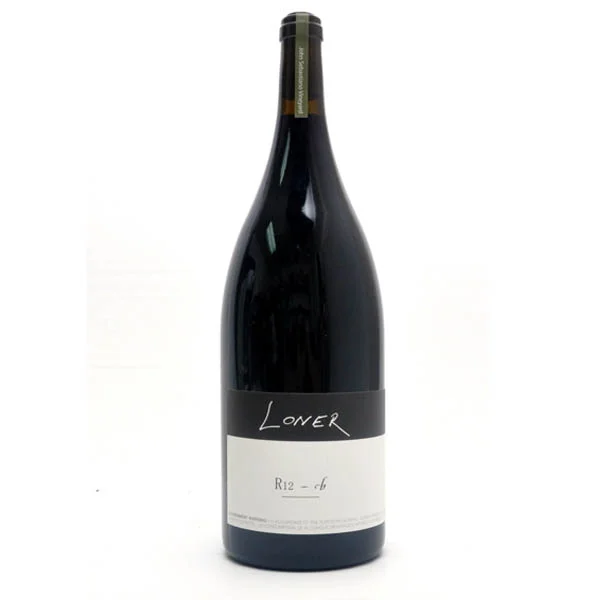
The 2013 'Loner' Pinot Noir is one of the best California Pinots I've sampled in the past year

The 2013 'Loner' Pinot Noir is one of the best California Pinots I've sampled in the past year

Sanguis

February 12, 2016

I recently was invited to sample some of the new releases from Sanguis and they were all gorgeous. While they were extracted and manipulated, you cannot help but notice the exceptional attention to detail at Sanguis. This is among the best total lineup of California wines and most compelling range of California wines that I have sampled in the past year. Superstar winemaker Mattias Pippig is one to watch. Latin for blood, Sanguis is German-born Matthias Pippig’s brain child. Pippig has previously worked as a wine importer for Marc DeGrazia Selections, and Estate Wines, as well as a brief stint at the famous Le Brea Bakery. He finally decided to start his own winery in the Santa Ynez Valley. His winemaking abilities are absolutely outstanding as I was absolutely blown away with his new release wines.

Pippig hand sorts his wines. Munich born, Pippig does the typical German thing to do for quality control. He changes blends yearly in his Rhône and Bordeaux style wines and never makes the same wine twice. Many of his wines weigh in at over 15% alcohol but they do not present as highly alcoholic. These wines are sourced from some of the best vineyards in the Santa Barbara and Central Coast area. The releases are so impressive that is hard to write about them – you just really need to try them. Check out more at sanguiswine.com or visit their hip tasting room in downtown Santa Barbara, which is by appointment. The wines are not easy to find but some online retailers carry them.

2012 Sanguis 'Verve' Grenache- The 2012 'Verve' is a Grenache wine that is co-fermented with small amounts of Syrah and Viognier. This involves roughly 21% whole cluster inclusion, and was aged for 23 months in a combination of new and French oak. Grapes were sourced from vineyards John Sebastiano and Watch Hill. Needing more than two hours in the decanter to develop, the wine begins with aromas of black plum, candied pomegranate, red cherry and rose petals. Beautiful aromatic profile here. The wine has flavors of red raspberry, cherry pie, Meyer lemon oil, crushed rock, lavender and blackberry. Wonderful mouthfeel and texture to this plush and layered Grenache. Winemaker Matthias Pippig has created a wonderfully complex wine, with excellent aging potential. Only 175 cases produced. Drink 2015-2025- 94

2013 Sanguis 'John Sebastiano Vineyard' 'Loner R13-a’ Pinot Noir- This stunning release comes from the Sanguis Pinot Noir plantings at the John Sebastiano vineyard. It was unfined and unfiltered, as the winemaker did not use any new oak to show the purity of fruit.This Santa Rita Hills bottling needs more than two hours in the decanter to open up. Once aroused it begins with aromatics of cherry cola, red raspberry preserves, lavender and nutmeg. There is a viscous and velvety texture to this scintillating wine. Flavors of cherry pie, cherry cough syrup, cola and red raspberry persist. An absolutely seamless wine, with brightness and decadence, yet showing the refined elegance of the best seen from this AVA. Drink 2016-2026- 95

 2012 Sanguis 'Pilgrim' Syrah- Sanguis' winemaker Matthias Pippig has crafted this one from the Bien Nacido vineyard. This dense and layered Syrah has aromas of roasted figs, black olive, black cherry and creosote. This yields flavors of black olive, cassis, black cherry, milk chocolate and smoked meats. There is a gorgeous texture to this wine, with wonderful richness and viscosity, yet maintaining a feminine side. A joy to drink right now, kudos to Pippig for creating another stunner. Enjoy this over the next decade. Drink 2016-2027- 94

 2012 Sanguis 'Chinese Fortune' Proprietary White Wine- This wine is an absolutely superlative and intoxicating blend of Rousanne, Marsanne, Chardonnay and Viognier. This has the kind of aromtics that makes you go back to your glass for one hedonistic whiff after another.  It is drinking absolutely out of this world at this time. Following a two hour decant, this wine opens up considerably. This blend begins with aromas of lemongrass, honeydew melon, and star jasmine. This leads to flavors of lychee, red delicious apple, poached pear, nutmeg and bananas foster. This has a long and lingering finish that coats the tongue. There is a botrytis like character to this exceptional viscous white blend. Drink 2016-2028- 96

 2012 Sanguis 'My Soul Is Rested' Proprietary Red Wine- Needing more than two hours to open up in the decanter, this is aromatically invigorating wine. A bouquet of creme de cassis, mocha, pencil shavings and blackberry pie explodes out of the glass. There are dense flavors of mocha, red bell pepper, creme de cassis, anise and blackberry cobbler. Highly seductive, the intensity and richness showcases this outstanding vintage. Try to cellar for at least one more year. I have never sampled a better red blend from this region. Drink 2017-2035- 95

#sanguis #sanguiswine #santabarbara #californiapinot #california


Comment

Interview with Mike Januik, owner and head winemaker at Januik and Novelty Hill Winery

February 8, 2016

Mike Januik is one of the big name winemakers in Washington. Not only has he been named as one of the world’s ten “Masters of Merlot” by Wine Enthusiast magazine, Januik has had more than a dozen wines appear on Wine Spectator’s famous “Top 100” list. Januik began making wine in the Columbia Valley in 1984. He holds a master’s degree in enology and viticulture from the prestigious University of California, Davis, and served as head winemaker for Chateau St. Michelle for many years. Januik was so good at his craft that he started his own winery in 1999 a few blocks down the road from St. Michelle. His winery, Januik and Novelty Hill, has been an incredible success.

I started sampling these wines more than ten years ago and was instantly impressed. It was not only the quality of winemaking that showed through, but the hugely impressive range of wines that he has at Januik/Novelty Hill. There are really few Washington winemakers that can take on so many wines and do them all so well. Januik, with his vast background of working with so many varietals at Chateau St. Michelle, has taken that experience and brought it to his winery. Januik sources from some of the best vineyards in the state like Champoux and Stillwater Creek, their estate vineyard. Mike Januik’s superstar wine program is an absolutely joy to run through. I recently had the chance to interview Mike Januik. He was incredibly humble about his success in the industry. I think you are going to really enjoy his interview. Learn more at http://www.noveltyhilljanuik.com/ Here is my interview with Mike Januik, head winemaker and owner of Januik and Novelty Hill Winery.

 WWB: Can you talk about the 2012 growing season vs the 2013 growing season?-

MJ: Well, I know these vintages were a lot different than what we have had in 2010 and 2011. 2010 was the sort of vintage where your experience of making wine made a big difference, because of the cold growing season. The beginning of 2011 was a lesser version of that and it was a late vintage in terms of ripening. But 2012 and 2013 was more typical of what I have come to expect from the Columbia Valley. I have done 32 vintages and the ’12 spring was relatively cool but the summer temperatures in 2012 were warm and consistently warm. They were not too hot and that weather continued through harvest which contributed to some nice wines. At the time, 2013 was the warmest vintage of the decade, but 2014 and 2015 turned out to be even warmer. In 2013, we had an earlier than normal bud break and warm temperatures through August and then we started picking earlier than normal. We picked Sauvignon Blanc at the end of August and fortunately it cooled down in September, which helped in the quality of grapes. 2013 was a nice vintage – one I really enjoy.

WWB: Januik has such a wide range of wines. Can you talk about working with all these varietals and the huge range of wines that you make?-

MJ: I come from the background at Chateau St. Michelle where I was the head winemaker. As head winemaker there I had to learn how to do a lot of things at the same time. Because of that experience I am comfortable with working with so many varietals.  I like putting blends together and I like harvest because we work with so many lots of wine and use more than a hundred lots of wines -- probably more. Because with Januik and Novelty Hill we are making over 30 wines. Now my son is working at the winery, Andrew. He just came out with his second wine with his label and is working on a third one. Andrew crafted the Lady Hawk from the Horse Heaven Hills, his second wine.  I think it is a really excellent wine and I think this fascination with doing many different wines is probably a trait that he inherited from me.

WWB: The 2012 Reserve Red Wine was on my Top 100 for 2015. It was an exceptional wine that combines lovely structure and dark fruit flavors. Can you talk about this impressive red wine?-

MJ: The Reserve Red Wine is Cabernet focused and ordinarily it is from a couple of different vineyards and the Cabernet portion came from Weinbau and Champoux vineyard and it has Merlot, which comes from the Klipsun vineyard and Cabernet Franc and Malbec both come from the Weinbau vineyard. The wine is mostly from Weinbau and Champoux vineyards and the Klipsun portion is around nine percent of the blend. This is the first blend that we put together each year. In fact, we just put together our 2014 Red Reserve Wine today! We have been working on it for a number of weeks and have been trying to figure out the right blend that want. This is the first blend that we work on and we primarily use a Cab base and like the vineyards and we want the style to remain the same. So we have a lot to choose from in those vineyards and they produce really consistently well-made wines. We are always looking for length in the red wines that we make.

WWB: How were you able to get that texture and balance in the wine?-

MJ: The most important time of the year is during harvest and how we handle harvest. This is something that I have learned with my many years in winemaking. Harvest has much greater impact on the quality of wines than for everything else. We pay a lot of attention to when we are picking and the right time to do that. We are over in Eastern Washington tasting the grapes every week. Over time Andrew [Januik] has taken on more of that, the tasting portion. Sometimes we will go over and spend the night and spend two days over there doing the tasting in the vineyards. You need to constantly taste the berries to make things right.

The other thing that really gets a lot of attention is our macerations. We don’t macerate our reds as much as others do. Our macerations usually are six to eight days but there are reasons for that. One of the challenges in Washington State is having fruit coming in in October and having it be like 45 or 50 degrees. If it is that cold, the fruit will sit on its skins for 10 days before fermentation kicks in. But when we built our winery we built it so we could cool our tanks and we also have capacity to warm our tanks. When our fruit is crushed into fermenters we turn our heat on and are able to get our must up to 70 degrees in 24 hours. That means that our fermentations begin earlier. One of the truths in winemaking is that the best extraction occurs with the presence of alcohol. If you are doing that early on that is different than if the must is sitting there for seven to eight days and warming up. It is extracting in a completely different way. Alcohol is a solvent and a great solvent at that. It pulls things that are quite different than without alcohol for me that is a big deal. The other thing that happens is punching down. I am not a big fan of that and I don’t think you have as much control over your maceration. I might do that if I was doing Pinot Noir. We pump over and every time we pump over in the mornings and in the evening when we leave. We also change the fermenter and decide how long we want to pump over. There are times when we do it longer or do it less and there is a lot of experience with that that makes a big difference. There is nothing cookbook about it and it is coming in and tasting and having our brain tell us how it should taste. Sometimes we don’t think we should pump over until the next morning because it is not the weight that we want to be. So that is a big part of what we do and is really important to me. When I was head winemaker at Chateau St. Michelle I was doing eight hundred or more lots of wine and that is a lot of tasting. That is a lot of opportunity to learn things too and one of the things that I have always thought is that if you start out making wine, only doing a couple of wines, you don’t have as many opportunities to learn things. That is why I like the amount of wine that we make now but having that experience making a lot of wine helped a lot because you are learning so much more.

WWB: I have really been impressed in the quality of your aromatic white wines, which are some of the best in the state. Can you discuss the winemaking in some of those wines?-

MJ: With Sauvignon Blanc it is important to have Semillon to make that wine great. That always makes a better wine and more aromatically interesting if you don’t have any at all. I have made Sauvignon Blanc for at least 20 years and that has always been my experience. I wouldn’t want to make it without high quality Semillon. That is very important, the blending in the wine. With Rousanne, another aromatic varietal, it is important not to pick it too soon. That actually takes on a pinkish hue when it is ready to pick. The hue is important to look examine when you are picking. Sometimes it is tempting to pick Rousanne based on the brix but if you wait and you get that change in the skins then it helps a lot. The Sav Blanc and Rousanne are both done in oak barrels. For Chardonnay we used some new oak but for the Rousanne we use neutral oak. Sav Blanc is about 10 percent pretty neutral because I don’t think it needs as much new oak.

I think one thing that really contributes to the aromatics in a white wine is not fermenting it with too warm a temperature. A lot of challenges for people is being able to control the temperature if the grapes are not in a refrigerated tank. We made sure when we built the winery that we had good refrigeration capacity and our barrel rooms are kept to 55 degrees and the fermentation doesn’t get much warmer than that. I think the challenge for a lot of people is that they put it in barrels and the temperature is in the high 60s, which can make a big difference in terms of aromatic structure. The classic line with fermentation is that higher temperature you have more esters but you also can blow more esters off that way. I think there is an increase in ester compounds when you ferment at a lower temperature. Another thing we do with our whites is before we press the grapes we add an enzyme that helps clarify the juice and I think it is important with those varietals to have clean juice when you ferment it. The more solid you have your juice the more likely that you are going to end up with a good wine. Probably the biggest thing of all is that we don’t shoot for high yields. If someone wanted to get high yields you could have that. We stay away from that because the more you press the grapes the more phenolic it gets.

#januiknoveltyhill #januik #mikejanuik #noveltyhill #wawine


Comment
Daniel Ferreli with his wife, Helen, has a lifetime of experience in wine. He had an amazing wine story that I would love to share with you. (photo by Richard Wood)

Daniel Ferreli with his wife, Helen, has a lifetime of experience in wine. He had an amazing wine story that I would love to share with you. (photo by Richard Wood)

Interview with Daniel Ferreli, Owner of Woodinville based winery, EFESTĒ

February 5, 2016

EFESTĒ owner, Daniel Ferreli, has an amazing story in wine. I recently had the chance to sit down with him and talk about his past, as well as the future endeavors for EFESTĒ . Daniel’s winery has achieved incredible success in a very short amount of time. With high scores from a host of wine publications, EFESTĒ is hitting their mark with red and white wines. I was very impressed with my recent tasting there and the quality of fruit and winemaking shows. Here is my interview with Daniel Ferreli, owner of EFESTĒ .

WWB: How did you become interested in wine? Can you talk about your grandfather’s influence?

DF: My grandfather has a wonderful story. He was born in 1886 in Calabria Italy and those people were starving, and his folks gave him money to get to America and get out of there. He wouldn’t read or write and bounced around and ended up in Chicago and got a job in distilleries. They always make wine in Italy and he continued to make it in America. He made it during prohibition and sold it. When prohibition was over he kept making wine because it was good and my dad moved me here when I was 6 months old to Seattle and then grandpa followed in 1959 and then he came and lived her and started making wine. That old press that is in the tasting room [at EFESTĒ] was the original that we used in making wine. My grandfather and I made wine together. When he died, my dad and my brother lost interest in making wine but I kept doing it and keeping it in the family. My grandpa was a great guy. We made Zinfandel, which is Primitivo in Italy, and went on from that and after a few weeks we made it every year. We were getting the fruit from Lodi, California. The grapes would come up in refrigerated box cars. We would go to the trains and buy the fruit.  It was cold, and we would have to let it sit in the basement. Later we would crush it and then ferment and press it out and then drink it after midnight mass Easter. We would come home and have a little food celebration with the wine. That process went on for years and years, and then I kept making the wine. I learned a lot from my grandpa.

Grandpa couldn’t read or write but he got along fine in the United States. He couldn’t even sign his name and I even had to teach him how to sign his name. He was just a hard working guy and I think I took after him in that respect. Grandpa lived across the street from us and we spent a lot of time with them growing up which was great. It was a wonderful relationship I had with him. He loved that I loved making wine too, so we had the same passion. When I was young I remember going there in Chicago and we walked there everywhere because he couldn’t drive. He had a garden and grew spinach I would eat it even though I wouldn’t eat it in Seattle. I just loved him a lot and it was great being around him. My grandpa had this very practical common sense intelligence that worked well for him. He was able to raise his kids and had some money when he died. The work he did and what he accomplished in his life was amazing.

The tradition of winemaking in our family went on and then my now son in law, Kevin Taylor, was dating my daughter in the 80s. Kevin wanted to know about making wine and we made a quick bond and then he made wine with me every year when he got back from college. After many years of making wine we decided to go commercial and Kevin was a big part of that process. Kevin is the one that owns the vineyards that we use for EFESTĒ. There are several vineyards that we own, two on Red Mountain – Angela’s Vineyard and Taylor Mag Vineyard - and Oldfield Estate in Yakima. We bought property from Dick Boushey and planted there and also planted a vineyard right smack in the middle of Red Mountain. Some big names in wine are now are buying the excess grapes from us. Duckhorn [Napa] is buying some and they are not the only ones. There is a lot of interest right now. We are really loving the fruit that we get from Red Mountain.

WWB: Can you talk about your winery and how you decided to start EFESTĒ?

DF: In 2004 we formed EFESTĒ. My son in law kept saying that we should sell the wine we were making. I said that the Zinfandel we were making wasn’t good enough to sell and I would laugh at my son in law, as I told him that we needed to work on improving the quality of wine. Finally I got a hold of Chris Upchurch at DeLille and invited him for dinner. Upchurch agreed with me that the winemaking fun and liked what we were doing but our Zinfandel wine wasn’t a sellable product?  We started talking to him during the dinner and Upchurch agreed to take us under his arm. At that time we didn’t realize what a break that was. Upchurch has had many years of success and he made our wine for several years but he got us in vineyards where we had no business getting into. Then in 2006 we produced a red wine, 100% Syrah, from Red Mountain, and also a Syrah from Yakima, Jolie Bouche. Our Red Mountain Syrah was on the Top 100 wine, number 36 in the world, from Wine Spectator. Two years later the Jolie Bouche got on the Top 100 from Wine Spectator and now wine writers are calling us to make appointments to go pour. We have had some good luck and I thank God for that. I see a lot of wineries that start and then fumble for many years. We have been very happy to get some good breaks and to be where we are after a decade.

WWB: With the white wines I have noticed that you source from some of the best vineyards in the state. Can you talk about your portfolio of white wines?

DF: We source primarily from the Evergreen Vineyard which is in George, Washington, and is a cool site for grapes. Our white wines tend to be great food wines and the Sauvignon Blanc [Feral bottling] gets bought by many restaurants and is a glass pour at many places. We make another Sauvignon Blanc, Sauvage, from Yakima which is softer and was on the Enthusiast 100 in 2014, 1st place Sauvignon Blanc in the Seattle Wine Awards, and “Best of Northwest” by Sip Northwest.. I think the best white wine we make is the Lola Chardonnay. Not only is Lola the name of my granddaughter but I think that the wine is very French like. It is oaked but not over-oaked, which is just right. The Chardonnay received 96 points from Wine Enthusiast the first year out and that was a big accomplishment for us. That was the highest rating that any white wine from Washington had received from Wine Enthusiast. We are very proud of our Riesling as well. Our Riesling is on the dry side and I read in this country that one percent to 1 to 1.8 percent residual sugar is off dry but it still has the nice acid and makes it a nice food wine. Our Riesling has won many awards and was on the “Enthusiast 100” this year, giving it the distinction of being the only white wine from Washington state on the list. Sommeliers pour it by the glass at many restaurants and it tends to sell well overseas. London ordered a whole pallet of it, 55 cases or so, and we thought that was a big compliment, given that Germany is so close to London. The Riesling is always one of our best sellers.

WWB: I had the chance to review your wines. The 2012 Final Final impressed and has received a ton of acclaim over the years. Can you talk about how you created this wine?

DF: We knew that was a good wine when we originated it [Final Final] in ’05. It is a great value for the quality and brings people into the tasting room and that is how we built our club up. The wine is approachable young and is easy to find at retailers and restaurants.

WWB: You have a major presence with your wine club. Can you talk about how you created your wine club?

DF: The wine club has been a really big part of the winery. We do a lot of events with the wine club and have all kinds of dinners and pizza parties, preparing the food in-house with our own recipes. Many of our wine club members rave about our wine club and the perks. We craft club wines that are a cut above and very limited. We really give them no reason to quit the wine club.

WWB: Can you talk about the family influence in your business?

DF: We have a lot of family influence at EFESTĒ. It is a wonderful thing to have family work with you. My daughter Angela, is also an owner in the winery. I am down there at the winery a lot. I have another daughter, Tina, that works at EFESTĒ, and it is just great to come in to work and see the family. My wife works there too, and she helps out with a lot of projects.  We do a lot of the cooking for the wine club and that is really fun that we can be involved in these projects together. EFESTĒ is a family deal, a family business, and the people coming for wine tasting really like that aspect. They can see how close we all are. They like that the family is always there at the winery and is involved.


Comment
Dr. Kit Singh, dentist, and head winemaker at Lauren Ashton Cellars, pouring some wine at his event. His new releases were highly impressive.

Dr. Kit Singh, dentist, and head winemaker at Lauren Ashton Cellars, pouring some wine at his event. His new releases were highly impressive.

Lauren Ashton

February 2, 2016

Located in Woodinville, Lauren Ashton was founded only a few years back in 2009 by dentist Dr. Kit Singh. I was only introduced to these wines a year ago and I was extremely impressed. Kit’s 2013 Lauren Ashton Cellars Rousanne (WWB, 92) was #69 on my 2015 Washington Wine Blog Top 100. It was a gorgeous effort that wonderfully showcases the structure and fruit of the varietal. Kit is a highly talented winemaker and his wines are gaining more and more national recognition. Kit first became introduced into the wine world in college and he learned more throughout his travels to Napa and Sonoma. Kit had a thirst for knowledge and began taking viticulture and enology education at South Seattle Community College and then furthered his education from the illustrious University of California at Davis enology program. He then interned at South Seattle Community College, Seattle and spent two years interning at DeLille Cellars in Woodinville, one of Woodinville’s finest. These internships greatly helped in his education as winemaker. Like many winemakers, he began his winemaking journey making wine in his garage, but he knew that would lead to something much bigger. With Kit’s background in science, he has an upper hand in the winemaking process, as he is constantly measuring the wine and tasting for variances. In 2009 Kit made everything official by founding Lauren Aston Cellars, naming the winery after the names of his two children, Ashley Lauren and Ashton Troy.
Kit sources from a range of fruit from Columbia Valley to Red Mountain. These are some of the best vineyards in the state including Quintessence, Weinbau, Sagemoor, Ambassador and Dineen vineyards. His new releases were highly impressive, none more than his 2012 Proprietor’s Blend (WWB, 94 points), which beautifully captures the delicate art of blending. His new release 2012 Syrah (WWB, 93 points) was a powerful, rich and viscous effort that is delicious straight out of the bottle and offers excellent value at $35.00. Learn more about the winery at http://laurenashtoncellars.com/

Here are some of the fantastic new release wines from Lauren Ashton Cellars: ‪#‎laurenashton‬ ‪#‎laurenashtoncellars‬

2014 Lauren Ashton Riesling- This wine was sourced from the Dineen vineyard and has aromas of pear, nutmeg, and poached pear. There are flavors of red delicious apple, poached pear, starfruit and crushed wild flowers. Lovely combination of fruit and structure. Drink 2016-2022- 90

2012 Lauren Ashton Semillon- This Semillon begins with aromas of brioche, ripe banana and golden delicious apple. There are flavors of red delicious apple, unripe pear, brioche toast and honeydew melon. Delicious and open effort. Drink 2016-2021- 91

2014 Lauren Ashton Chardonnay- This wine comes from Harker vineyard. This wine begins with aromas of mango, starfruit, brioche and ripe pear. There are flavors of Gala apple, navel orange, pear and starfruit. This has lovely texture and richness. Drink 2016-2023- 92

2011 Lauren Ashton Cuvee Estelle-This is a blend of 70% Merlot, 25% Cabernet Franc and 5% Petite Verdot. The wine opens with aromas of red currant, red cherry, blackberry pie and dill. Leading to flavors of red currant, red cherry, dill, red bell pepper and blackberry with sage. Herbaceous and tasty effort. Drink 2016-2023- 91

2012 Lauren Ashton Syrah- This comes from the Ambassador Vineyard on Red Mountain. He wine has aromas of smoke, sage, blackberry and anise. Flavors of black cherry, black olive, creme de cassis and sage. This is absolutely delicious right now. Drink 2016-2025- 93

2011 Lauren Ashton Reserve Syrah- This comes from the Ambassador Vineyard on Red Mountain. The wine has aromas of sagebrush, anise, black olive and red cherry. Flavors of black cherry, snise, smoke and black olive. Lovely got the vintage. Drink 2016-2022- 92

2012 Lauren Ashton Proprietor's Cuvee- This wine is a blend of 65% Cabernet, 19% Merlot, 10% Cab Franc, 3% Malbec and 3% Petit Verdot. The blend has aromas of smoke, red cherry, blackberry and with sage and mocha. Flavors of mocha, red cherry, red raspberry, green bell pepper and anise. Delicious and layered effort that truly captures the art of blending. Drink 2016-2026- 94

2012 Lauren Ashton Malbec- This wine comes from the Upland vineyard. It has aromas of smoked meats, blueberry compote, rose retails and lovely aromatics. Flavors of blueberry preserves, blackberry, mocha and anise persist. This wine is rich and polished, showing a wonderful range of flavors. Drink 2017-2024- 92

Comment
A winemaker with his dog. Bill Walthen has crafted some of the best Pinot Noir for many years in the Santa Barbara area. His new releases were highly impressive.

A winemaker with his dog. Bill Walthen has crafted some of the best Pinot Noir for many years in the Santa Barbara area. His new releases were highly impressive.

Foxen

January 28, 2016

There are few better places in Santa Barbara to taste wine. Set in the countryside roughly an hour outside of Santa Barbara, Foxen has two lines of wines – one that focuses on Bordeaux style wines and another that produces Burgundian styles, along with an impressive single vineyard Syrah. With its gorgeous setting, it is no surprise that the movie Sideways decided to film one of their big scenes here. While Foxen has developed considerable prestige for their Pinot Noir, I found their Bordeaux varietal wines to be just as compelling. Superstar winemaker Bill Wathen is absolutely on point with his recent releases. The fact that he can produce incredible Pinot and Bordeaux varietals is really a tribute to the winemaking ability.
Foxen’s winemaking team under Bill Wathen and David Whitehair has been creating incredibly high scoring wines for many years. I've been tasting wines there for more than ten years and I have never been disappointed with a bottling. There is wonderful care and attention to detail in each wine that Bill crafts. Bill's has strived to craft wines that feature the terroir of each vineyard site while having the least amount of intervention possible. The terroir found in the Chardonnays, Pinots and Syrahs is evident. If you are in the Santa Barbara area, a visit to Foxen winery is a must. Learn more about them at http://www.foxenvineyard.com/
Here are some of the fantastic new release wines from Foxen. ‪#‎foxen‬ ‪#‎foxenwinery‬

2014 Foxen Vogelzang Vineyard Sauvignon Blanc- The Sav Blanc is a blend of 70% Clone 1, 30% Musque. It was aged 3 months in neutral oak barrels. This wine has aromas of lychee, pear, and cut grass. There are flavors of pear, red delicious apple and wonderful minerality. A striking effort that is one of the best of its kind. Only 280 cases produced. Drink 2015-2022- 92

2012 Foxen Pajarito- The wine is a blend of Merlot (45%) from the Vogelzang Vineyard and Petit Verdot (55%), from the Grassini Family Vineyard. The wine was aged 22 months in American oak barrels (33% new). The blend has aromas of dill, red bell pepper, and red cherry. There are flavors of dill, sage, red cherry and raspberry. This feminine style wine is rich and has wonderful balance. Only 220 cases made. Drink 2015-2025- 91

2012 Foxen Vogelzang Vineyard Cabernet- The Cabernet was aged 22 months in French oak (Taransaud, 80% new). This polished wine opens with aromas of red cherry, dill and anise. There are flavors of blackberry, anise and great acid structure. The wine is a delight to drink right now but can also cellar for another decade. Drink 2015-2025- 91

2012 Foxen Range 30 West- This was aged 22 months in French oak (Taransaud and Nadalie) prior to bottling. The wine a blend of 60% Merlot with 40% Cab Franc. It opens with aromas of dill, red bell pepper and anise. There are flavors of dill, red bell pepper and red cherry. This is forward and delicious that is hard to resist right now. Drink 2015-2022- 90

2012 Foxen Guillermo Grosso- This is a blend of Sangiovese (50%) and Cabernet (50%). Lovely spicebox and red cherry aromas with oak. There are flavors of dill, raspberry and red cherry with mild tannins. Delicious and open style wine. Drink 2015-2025- 90

2012 Foxen Cabernet Franc- This comes from the Tinaquaic vineyard. This opens with aromas of sage, red bell pepper and red cherry. This has light tannins with flavors of red cherry, raspberry and dill. Delicious and lithe. Drink 2015-2024- 91

2013 Foxen Mission Barbarena Vineyard Port- This has 10.9 residual sugar. There are aromas of methane, red cherry and smoke. Flavors of red cherry, raspberry and has lovely acid structure. Very defined. Drink 2015-2022- 89

2013 Foxen Block UU Bien Naciedo Vineyard Chardonnay- The wine begins with aromas of cut grass, Meyer lemon, and poached pear. There are flavors of pear, golden delicious apple, Mushroom and lemon rind with lovely rich mouthfeel. This impresses with a long finish. Drink 2015-2022- 92

2013 Foxen Ernesto Wickenden Vineyard Chenin Blanc- This is 49 year old vine Chenin Blanc. This has aromas of nutmeg, buttered toast, and pear. Flavors of pear, red delicious apple and lovely minerality with a long cream finish. This has an impressive and rich mouthfeel. Drink 2015-2020- 91

2012 Foxen Tinaquaic Vineyard Chardonnay- This had 25% new French oak. There are intense aromas of toasted hazelnuts, pear and banana. Flavors of pear, Marcona almonds and brioche with a lovely saline streak. The minerality is pronounced and the finish is long and lingering. Drink 2015-2022- 92

2013 Foxen Santa Maria Valley Pinot Noir- This comes from Bien Nacido, Riverbench and Solomon Hills vineyards. This has aromas of nutmeg, dill and red cherry. This leads to flavors of red cherry, dill and raspberry. This has a wonderful minerality. Drink 2015-2022- 92

2012 Foxen John Sebastiano Vineyard Pinot Noir-This has aromas of black cherry, mushroom and raspberry. This has flavors of mushroom, black raspberry, black cherry and black tea. This is rich and layered. Drink 2015-2024- 93

2012 Foxen Block 43 Bien Nacido Vineyard Pinot Noir- Dijon clones 667 and 777. Perfumed aromas of rose petals, black cherry, and black truffle. Flavors of black cherry, pomegranate and mushroom. This is every bit outstanding with a rich and lovely mouthfeel. Drink 2015-2024- 93

2012 Foxen Block 8 Bien Nacido Vineyard Pinot Noir- This comes from the highest point in the vineyard in the south section in the vineyard. It has aromas if rose petals, red cherry, dill and raspberry. There are flavors of raspberry, red cherry and dill in this feminine style wine. Fruity and delicious. The minerality and saline accents are wonderful. Drink 2015-2024- 92

2012 Foxen Solomon Hills Vineyard Pinot Noir- This was planted in 1997 and is on the far west side of the AVA that is a north to south facing vineyard. This has aromas of nutmeg, black cherry and raspberry. There are flavors of red cherry, pomegranate and wonderful acidity. This has good balance and richness. Drink 2015-2025- 93

2013 Foxen Julia's Vineyard Pinot Noir- This vineyard designate is owned by Cambria. It is 100% Pommard clone. The Pinot has aromas of nutmeg, cherry cola and raspberry. This has flavors of red cherry, raspberry in this fruity and delicious effort. Drink 2015-2023- 92

2006 Foxen Pinot Noir- This is one of their library release wines. This wine has aromas of prune, red cherry and raspberry. This has flavors of red cherry, prune, raspberry and nutmeg. This is still alive and kicking. Drink 2015-2018- 92

2012 Foxen Timaquaic Vineyard Syrah- This was code emended w about 5% Viognier. It has aromas of smoked meats, orange rind, blackberry and creosote. Flavors of blackberry, orange rind, black cherry and anise. Drink 2015-2022- 92

Comment
Efren Loeza, vineyard manager at Willamette Valley Vineyards, has excellent attention to detail. The 2013 releases from the winery were excellent.

Efren Loeza, vineyard manager at Willamette Valley Vineyards, has excellent attention to detail. The 2013 releases from the winery were excellent.

Willamette Valley Vineyards

January 25, 2016

I have not previously had the opportunity to sample the entire lineup of these wines, and was very impressed. Founder, Jim Bernau, purchased the Estate site in 1983 and cleared the old plum orchard hidden in scotch broom and blackberry vines. Bernau planted Pinot Noir (Pommard and Wadenswil clones), Chardonnay (Dijon and Espiguette) as well as Pinot Gris. Because of the lack of water sources, he initially used a 75 foot garden hose to water the vines. Bernau took winemaking classes at UC Davis and finally started the winery full time in 1989. Willamette Valley Vineyards has grown considerably in the past 20 years, as they merged with Bill Fuller of Tualatin Vineyards (established in 1973), the O'Briens for Elton Vineyard (established in 1983) and Loeza Vineyard (planted in 2015). The winery now sources all of its Pinot Noir from its nearly 500 estate-grown vineyards.
There is a wonderful terroir with these wines. They have received considerable press in their past, primarily from their house bottling but their single vineyard bottlings were complex and lithe. In a vintage where many Oregon Pinots lacked power and finesse due to the rains at harvest, Willamette Valley Vineyards Pinots were all excellent. Their ‘Elton’ bottling was rich and Burgundian, having the wonderful combination of forest floor and rich fruit. I rated this one 93 points and one of the highest rated wines from this vintage. Here are the new releases from Willamette Valley Vineyards and check out their impressive lineup of Pinots at http://wvv.com ‪#‎wvv‬ ‪#‎willamettevalleyvineyards‬

2013 Willamette Valley Vineyards Tualitin Estate Pinot Noir- This wine is sourced from Dijon clones 114, 115, 667 and 777 as well as Pommard and Wadenwswil. The vineyard was planted in 1973 by Bill Fuller and vines are grown on Laurelwood soil. The wine was aged 15 months in 40% new French oak prior to bottling. The wine begins with aromas reminiscent of orange rind, pomegranate and red cherry. This has flavors of red cherry, guava, raspberry and is done in the open style. Drink 2015-2023- 90

2013 Willamette Valley Vineyards Elton Pinot Noir- This wine comes from a vineyard planted in 1983 that is set on Jory soil. The wine aged 10 months in 45% new French oak prior to bottling. The wine begins with aromas of nutmeg, thyme, black truffle and forest floor. The Pinot has flavors of cherry cola, spicebox, cran-apple and raspberry. This is absolutely delicious right out of the bottle, with a striking mineral streak. Drink 2015-2026- 93

2013 Willamette Valley Vineyards Hannah Pinot Noir- This wine is sourced from vines grown in the upper part of the Tualitin Estate vineyard where Dijon clones 667 and 777 are utilized. The Pinot Noir was aged 10 months in 60% new French oak prior to bottling. The wine begins with aromas of black truffe, forest floor and red cherry. This leads to flavors of orange rind, pomegranate seed and a lithe minerality. On the lighter side, but elegant wine that will be long aged. Drink 2015-2025-92

2013 Willamette Valley Vineyards Bernau Block Pinot Noir- Sourced from 15 acres of Pinot Noir from the first plantings at the Estate Vineyard in 1983, Founder Jim Bernau planted these vines using a Christmas tree planter pulled behind his 33 horsepower tractor. He grafted the French clones 667 and 777 on a portion of the vines when they became available. This wine has aromas of red currant, red raspberry and red cherry with thyme. There are flavors of Bing cherry preserves, shitake mushroom, pomegranate and cran-orange. Delicious and lithe effort, with a finish that lingers. Drink 2016-2026- 92

2013 Willamette Valley Vineyards Signature Cuvee Pinot Noir- This solid bottling comes from their estate vineyard as well as the Tualitin and Elton vineyards. The wine was aged 10 months in 50% new French oak and comes from a host of soils including Jory, Laurelwood and Nekia (shallow and volcanic). This Pinot begins with aromas of forest floor, red currant and red raspberry. This leads to flavors of cran-orange, pomegranate, guava and cremini mushroom. A delight to savor right now, with a lithe minerality. Drink 2015-2025- 91

2014 Willamette Valley Vineyards Whole Cluster Estate Pinot Noir- This wine comes from the estate vineyard as well as the Tualitin and Elton vineyards. This is one of their larger production wines with 380 barrels produced. This wine opens with aromas of Welch’s grape juice, red raspberry and stewed red cherry. This leads to flavors of black cherry, cherry cola, guava and cran-pomegranate. The Pinot is done in the ripe and forward style, meant for early consumption. A lovely effort by these guys. Drink 2015-2022- 89

Comment
Nina Buty is the owner of Buty, maker of high quality red and white wines out of Walla Walla. The new releases from Buty were highly impressive.

Nina Buty is the owner of Buty, maker of high quality red and white wines out of Walla Walla. The new releases from Buty were highly impressive.

Interview with Nina Buty, Owner of Buty Winery

January 20, 2016

Nina Buty is a Whitman College graduate that started Buty Winery, located in Walla Walla, in 2000 with Caleb Foster. Buty was born in 1998 when Nina and Caleb were on a backpacking trip in the Cascades. They created their business plan on a napkin to start a winery and focus on different style blends, such as their signature Bordeaux style white blend, sourcing from some of the best vineyards in the state, including Champoux and Conner Lee. Buty debuted in 2000 with five wines. They brought on Zelma Long to do consultant winemaking, and now Chris Dowsett serves as head winemaker. Nina, not only a owner but a mother with small children, continues to run the impressive boutique style of winery that has received accolades from innumerable wine publications. Talented head winemaker Chris Dowsett impressed with his new releases, as Buty are in very good hands with Chris. I recently had the chance to sit down with Nina Buty, owner of Buty Winery. She told me about her story in wine and I think you’ll find this interview as interesting and engaging as I did. Here is my interview with Nina Buty:

WWB: I visited Buty this fall and was very impressed with your overall lineup of wines. Can you talk a bit about the style of winemaking for your red and white wines?

NB: Our winery was founded on a belief in the artistry of the blend. In fact, with the exception of our Conner Lee Vineyard Chardonnay, all of our Buty wines are blends (and even our Conner Lee Chardonnay is approached much like a blend). While each wine has its own distinctive personality that reflects the varietals, the vintage and the vineyards the wines come from, there are certainly common threads that run through our wines, including beautiful aromatics and silky textures. To achieve this, our style of winemaking is very natural, but this does not mean that it is hands off. Though we apply gentle winemaking techniques such as minimal handling, and often uses little-or-no-new oak, every choice made about fermentation, extraction, cooperage, blending, racking and aging is intended to help achieve a stylistic vision. We also don’t do any enhancements, which means we don’t add acid, use dehydrators, concentrators, water additions, spinning cones, or other such “enhancement tools.” This ensures that the authentic character of the wines is rooted in the soil of the sites they come from.

WWB: The Rockgarden Estate vineyard produces some wonderful earthy and terroir-driven red wines. Can you talk more about the vineyard in terms of the soil and climate? What are the typical characters in the wines produced from this vineyard?

NB: In 2006, after years of searching for the ideal site to establish an estate vineyard, we purchased 10 acres of land in the Milton-Freewater Fan region of Walla Walla Valley. For over a hundred years, this region has been the valley’s most coveted farming land, and over the past two decades it has earned a reputation for being home to some of Walla Walla Valley’s greatest vineyards. In fact, this past year, The Rocks District of Milton-Freewater earned official status as an American Viticultural Area—a process that we were actively involved in. Our own Rockgarden Estate is named in honor of the famous basalt cobblestones that help to make this section in the southeast part of the valley such renowned winegrowing land. These rocks amplify, and radiate back, heat from the sun. In addition, Rockgarden Estate is ideally situated in the highest part of the cobblestones. These factors, and others, contribute to wines that have beautiful lush fruit characteristics at relatively modest alcohol levels, but also wonderful savory qualities. Along with enticing lavender and violet aromas, Rockgarden yields these really fascinating beach smoke notes that hint at sea spray. As the vines evolve, these qualities are becoming more and more complex, and even more compelling.

WWB: Can you talk a bit about your background in wine and how you decided to start Buty in 2000?

NB: I was born in Seattle, Washington, and grew up in various parts of the state. I fell in love with the pace, climate and people of Eastern Washington early on, and attended Whitman College, where I earned a degree in art history, with minors in studio art and geology. While I wasn’t consciously aware of it at the time, what I was studying laid a really strong foundation for my future in wine. I was also developing a real love of wine, most significantly Washington wine, and its amazing potential. After several years of working in public service, I founded Buty in 2000. For me, the creation of wine was a natural extension of my background in art and geology. It also allowed me to combine my desire to work with nature in a creative way.
From the outset, our goal has been to make exceptional wines that showcase masterful blending, while being true to their Washington roots and the great vineyards they come from. Working with our longtime Winemaker Chris Dowsett, and our good friend Zelma Long, I think we’ve stayed very true to those ideals.

WWB: I am also a Whitman grad and I feel like the balance of education at Whitman prepared me well for my business life. Can you talk about how your educational background has influenced your ability to run a successful winery that has gained a very strong national reputation?

NB: To expand a bit on my last answer, I would just say that for me, I found incredible value in receiving a well-rounded liberal arts education from Whitman. Studying art history and geology, I spent most of my time in the arts building and the science building. What’s fascinating looking back is how much this foundation ended up being relevant to Buty. When it comes to wine, the arts and science are remarkably intertwined.

WWB: You must be an incredibly busy person. What are the challenges with owning a successful winery and raising children?

NB: When you run your own business, the boundaries between work and life are very porous—the business will expand to fill all the space you will allow it. Children are like that too. I’m always thinking of my children, and my business. Because of this, I approach life and making wine with a very similar philosophy. I see the two as deeply interwoven. My children have grown up playing in the vineyards. They have a deep understanding of the seasons, and a very developed awareness of a rural agricultural life, and how this life can be the foundation of a business. They know the difference between soil and dirt. They have that connection to the land and farming, which is a gift. They also see their mother working hard and fully investing herself doing something she loves, which I hope will set a positive example.

Comment
Buty has a highly impressive lineup of red and white wines. They are both rich and terroir driven.

Buty has a highly impressive lineup of red and white wines. They are both rich and terroir driven.

Buty

January 15, 2016

A Walla Walla mainstay that was first created in 2000, Buty’s strong lineup of wines continue to impress. A visit to their Walla Walla airport area tasting room impressed. Winery owner Nina Buty is a fellow Whitman grad and has taken 100% of the controlling ownership of Buty. Being a mother and a winery owner is not an easy task, but based on my recent tasting Nina is performing exceptionally well. The range of my scores given to the wines were 92-94, which is exceptionally rare for all of a winery’s releases to fall in that range. The biggest wine was a compelling blend from the rocks area, the 2012 ‘Redviva of the Stones.’ This impressive bottling was rich and viscous with great terroir, Walla Walla rocks character and minerality. The white wines from Buty also impressed, as they typically do each year. Bordeaux style white wines are sometimes difficult to masterfully craft in Washington, but Buty makes one of the state’s best in their ‘White.’ The wine is smooth and has a wonderful range of fruit and secondary flavors. A major theme with the Buty offerings is the terroir and structure. These wines have the structure to pair beautifully with a variety of foods. It is no surprise that many Buty bottlings are being poured at great Seattle area restaurants, as I have noticed an increase of these wines on top wine lists in the past five years. Check these great wines out at great Northwest wine shops like Esquin and Met Market, as well as Total Wines. ‪#‎buty‬

2014 Buty White- This Bordeaux style white wine begins with aromas of gardenia, lemongrass and pear. There is a lithe texture and mouthfeel to this smooth blend. This silky wine has flavors of cut grass, Meyer lemon and pear. This delicious blend is hard to resist right now. The structure suggests this will have a long life. Drink 2016-2025- 92

2014 Buty ‘Conor Lee Vineyard’ Chardonnay- This rich and viscous Chard begins with aromas of pear, golden delicious apple and oak. There is a rich and silky mouthfeel, leading to flavors of brioche, Japanese pear and minerals. Simply delicious wine that is one of the best of its kind in the state. Drink 2016-2023- 93

2013 Buty ‘Conor Lee Vineyard’ Merlot/Cabernet Franc- This wine is a blend of 61% Merlot with the rest Cabernet Franc. This has rich aromas of sagebrush, dill, red cherry and blackberry. This leads to flavors reminiscent of red cherry, anise, dill, and raspberry in this feminine style red wine. There is a wonderful structure here. Drink 2015-2025- 93

2013 Buty ‘Rockgarden Estate’ – This wine is a blend of 75% Mouvedre and the rest Syrah and Grenache, coming from their Rockgarden vineyard. This begins with aromas of gravel, red cherry and smoked meats with white pepper. There are flavors of red cherry, smoked meats, wet stone and cranberry in this lithe and mineral driven red. Drink 2015-2025- 92

2012 Buty ‘Columbia Valley Redviva’- This wine is a blend of 84% Cabernet with the rest Syrah. They mentioned that this is the highest percentage of Cab ever used in the blend. The wine has aromas of milk chocolate, black cherry and black olive. This leads to flavors of blackberry, mocha and anise. This is dense and delicious juice that is hard to resist right now. Drink 2015-2025- 93

2012 Buty ‘Redviva of the Stones’- This fascinating blend is comprised of 79% Syrah, 13% Cabernet and the rest Mouvedre. The wine has aroms of green olive, black pepper, smoked meats and blackberry. This leads to delicious flavors of wet stone, anise, blueberry and blackberry. There is a silky mouthfeel and a long finish. What a wonderful bottling. Drink 2015-2025- 94

Comment
Joseph Wagner of Caymus Vineyards

Joseph Wagner of Caymus Vineyards

Caymus Cabernet

January 3, 2016

One of the biggest players in Napa, Caymus has established themselves as superstar producers of Cabernet. Parker and other famous wine writers have talked about Caymus Cabernet for decades. If you haven’t had the chance to check out the past two vintages of Caymus Cabernet, you are in for an incredible treat. The 2012 bottlings of Cabernet celebrated Caymus’s 40th anniversary. Caymus has created rich and viscous efforts in the 2012 and 2013 vintages, working with near ideal growing conditions. Caymus also produces a reserve Cabernet wine, bottled as their ‘Special Selection.’ While I’ve only sampled a few previous vintages of this special wine, the 2012 Special Selection Cabernet was an incredible success.

I have been able to sample many vintages of Caymus Cabernet in the past but the past two bottlings have been the most impressive in terms of richness, viscosity and terroir. Both the 2012 and 2013 Cabernets had rich fruit structure. I rated the 2012 (WWB, 94) just in front of the 2013 (WWB, 93), as I liked the structure just marginally better in the ’12. The 2012 Special Selection Cabernet (WWB, 95) is even better than the 2012 Cabernet. This hedonistic and dense bottling is intense and memorable, carrying a much higher pricetag as well ($150.00 compared to $60.00). For a very special occasion, check out the 2012 Caymus Special Selection Cabernet (WWB, 95). This one is a heavyhitter of a wine, with mountains of fruit alongside wonderful graphite and mineral components. This is up there with the best Napa Cabernet bottlings that I have sampled this year. These Cabernets just marvelous special occasion wines that any California Cabernet drinker is sure to enjoy. These dense Cabernets are somewhat difficult to pair with dishes and are just a joy to drink on their own. I feel that these wines don’t need a rich ribeye steak and would be best suited to sip and enjoy, as they are a meal in themselves. Look for these wines at great Northwest area wine shops like Met Market, Esquin, Total Wines and Bev Mo. #caymus #caymusvineyards

2012 Caymus Cabernet- Iconic wine and iconic vintage that delivers. This dense wine has aromas of blackberry jam, cassis and violets, followed by flavors of creme de cassis, blackberry and mocha. Dense and round, this thing is ready to drink and expresses the best of this wonderful vintage. Drink 2015-2030. -94 $60.00

2013 Caymus Cabernet- This impressive follow up to the exquisite 2012 rendition comes from another great vintage. The 2013 is sourced from eight of the sixteen sub-appellations in Napa Valley. As the wine itself opens, it delivers aromas of blackberry, cassis, milk chocolate and anise. On the palate there are delicious flavors of black cherry, smoke, milk chocolate, anise and graphite through a rich and voluptuous body. The mouth coating finish is long and persistent, leaving behind layers of dark fruits. This will only get better with time, but will certainly be long-lived. Drink 2016-2030- 93 $60.00

2012 Caymus ‘Special Selection’ Cabernet- This opulent wine comes from the winery’s 40th anniversary and an outstanding vintage. Even more dense and intense than its outstanding sibling (Napa Valley Cabernet), the 2012 Special Selection Cabernet is an absolute joy to savor. The wine begins with aromas reminiscent of violets, graphite, crème de cassis, coffee grounds and lavender. The bouquet is intense and has a wonderful sense of terroir. There are flavors of mocha, blackberry preserves, graphite, blueberry and wonderful minerality. This showcases the exceptional vintage with fruit weight and structure. This has a long and lingering finish that persists for more than a half second. The texture and mouthfeel is intense with light tannins that make the wine impossible to resist right now. Drink 2015-2035- 95 $150.00

Comment
← Newer Posts Older Posts →
 

Latest Posts

Featured
Dec 18, 2025
The 10 Best Wines That I Tasted in 2025
Dec 18, 2025
Dec 18, 2025
Dec 16, 2025
Owen Bargreen Top 100 of 2025
Dec 16, 2025
Dec 16, 2025
Dec 15, 2025
Castello di Amorosa
Dec 15, 2025
Dec 15, 2025
Dec 15, 2025
Chateau Montelena
Dec 15, 2025
Dec 15, 2025
Dec 14, 2025
ROCO
Dec 14, 2025
Dec 14, 2025
Dec 12, 2025
Dutton Goldfield
Dec 12, 2025
Dec 12, 2025
Dec 12, 2025
Frank Family Vineyards
Dec 12, 2025
Dec 12, 2025
Dec 12, 2025
Granville Wine Co.
Dec 12, 2025
Dec 12, 2025
Dec 12, 2025
Dossier
Dec 12, 2025
Dec 12, 2025
Dec 11, 2025
Davis Bynum
Dec 11, 2025
Dec 11, 2025
Dec 8, 2025
Chosen Family Wines
Dec 8, 2025
Dec 8, 2025
Dec 8, 2025
J. Lohr
Dec 8, 2025
Dec 8, 2025
Dec 6, 2025
Maison Jussiaume
Dec 6, 2025
Dec 6, 2025
Dec 5, 2025
Quilceda Creek
Dec 5, 2025
Dec 5, 2025
Dec 4, 2025
Cellar Selection: 2017 FIGGINS Red Wine
Dec 4, 2025
Dec 4, 2025
Dec 4, 2025
Grapes of Spain
Dec 4, 2025
Dec 4, 2025
Dec 3, 2025
Spottswoode
Dec 3, 2025
Dec 3, 2025
Dec 3, 2025
Sea Smoke
Dec 3, 2025
Dec 3, 2025
Dec 3, 2025
Latta
Dec 3, 2025
Dec 3, 2025
Dec 3, 2025
Delmas
Dec 3, 2025
Dec 3, 2025