• Home
  • Blog
  • About
  • Resources
Menu

Owen Bargreen

  • Home
  • Blog
  • About
  • Resources
Ross Cobb is the talented winemaker behind the stunning new lineup of Cobb Wines

Ross Cobb is the talented winemaker behind the stunning new lineup of Cobb Wines

Cobb Wines

February 13, 2019

Cobb Wines


One of the top producers on the Sonoma Coast, Cobb Wines was founded by David Cobb in 2001. Their story has a long history beginning in 1989 when David Cobb began cultivating Pinot Noir vines at his small Coastlands Vineyard, perched literally right overlooking the Sonoma coast. This was a revolutionary site for planting Pinot Noir but David had a background working as marine ecologist and spent much of his time learning about soils and climatological charts in trying to find a great place to grow Pinot Noir. He reasoned that the Sonoma Coast provided a good amount of heat, morning fog to keep temperatures moderate, and plenty of wind to protect the grapes from rot. 

Cobb Wines combines the wine-growing expertise of David Cobb—one of the first big players in Pinot Noir viticulture on the far Sonoma Coast—with the winemaking talents of his son, Ross Cobb. Ross has a long resume, including previous stints at famed producers Ferrari-Carano, and Williams Selyem, where he served as viticulturist and enologist.

In 2001, a mere 130 cases of Cobb Wines were made. Now their production has increased considerably. The new Cobb Wines Pinot Noir show amazing terroir and structure. The salinity in the wines is just magical. Look to the 2016 Cobb Wines ‘Rice-Spivak Vineyard’ Pinot Noir (WWB, 95) which has insanely good range and minerality. Nearly as good was the 2016 Cobb Wines ‘Jack Hill’ Pinot Noir (WWB, 94) which has amazing texture and elegance as well as bright citrus tones. Learn more about Cobb wines at http://cobbwines.com Here are the impressive new releases from Cobb.

Cobb Wines Logo.jpg


2016 Cobb ‘Rice-Spivak Vineyard’ Pinot Noir- The Rice-Spivak vineyard, owned by Russell Rice, is a six acre vineyard located in the Sonoma Coast AVA. There is an usually large amount of volcanic ash in the vineyard soils. The 2016 ‘Rice-Spivak Vineyard’ Pinot Noir is a stunning wine that takes on very pretty aromatics with ripe plum, red cherry compote, cran-pomegranate and white truffle oil. The aromatic range is wonderful and takes you back to the glass for more enjoyment. The minerality and weight of the wine is truly outstanding, as is the strong salinity and lip-smacking acidity. Cran-pomegranate, blood orange zest, volcanic earth and peat moss flavors all show some insane range. While this is drinking marvelously right now, the wine will have an exceedingly long life in the cellar. Drink 2019-2033- 95


2016 Cobb ‘Jack Hill Vineyard’ Pinot Noir- The Jack Hill Vineyard spans a mere two acres, located in the freestone valley and surrounded by old oak and Douglass Fir trees. The nose takes on wonderfully earthy terroir with red fruits and citrus rind that round out the aromatic profile. On the palate, the wine has a silky mouthfeel and beautiful texture. Powerful and intense, with a surprising viscosity and tension, the wine shows blood orange, forest floor, wet stone and red cherry candy flavors. Sinfully good now, the wine will cellar well for a decade or more. Drink 2019-2033- 94


2016 Cobb ‘Diane Cobb: Coastlands Vineyard’ Pinot Noir- The Coastlands Vineyard was first planted in 1989 and is located a mere four miles from the Pacific Ocean, having a strong maritime influence. The earthy aromatics take you in with black truffle and peat moss dominating the red fruits and citrus components at the moment. On the mouth, the wine shows a silky texture and unveils a distinctively dark fruit and mineral driven flavor profile. The salinity here is really nice. Delicious now, enjoy this over the next decade or so. Drink 2019-2030- 93


2016 Cobb ‘Coastlands Vineyard: Old Firs Block’ Pinot Noir- Located nearby a set of 275 year old Douglass Fir trees, this block is set at the top of the vineyard at 1200 feet. A strong saline driven nose starts this off, with citrus rind and red fruits connecting with the saline driven aromatics. Soft and delicate, the wine shows a silky mouthfeel with light red fruits, citrus rind and forest floor flavors. This shows serious range and terroir. Drink 2019-2030- 93


2016 Cobb ‘Monticue Vineyard’ Pinot Noir- This is the first year that Cobb has produced wine from this vintage. The vineyard was planted in 2010 and is located just up the road from the Emmaline Anne Vineyard, roughly five miles from the Pacific Ocean. This translucent Pinot Noir starts off with aromatics reminiscent of wet stone, peat moss, wild blackberry and huckleberry compote. The palate shows a strong salinity and gobs of mouth-watering acidity. Black fruits mingle with citrus rind and earthy undertones. Vibrant, with some serious poise, this stunning Pinot Noir will cellar well for fifteen plus years. Drink 2019-2033- 94


2016 Cobb ‘Emmaline Anne Vineyard’ Pinot Noir- Located in the Sonoma Coast AVA, the Emmaline Anne Vineyard is planted to Dijon clone 115 and 777. The wine begins with intense aromas of black truffle crudo, cigar ash, and wild blackberry cobbler with a touch of citrus rind. The palate has a wonderful viscosity and texture, leading to dark fruit and citrus rind driven flavors that connect with beautiful earthy undertones. Highly complex and downright delicious, this terroir driven effort is drinking marvelously right now. Drink 2019-2030- 94

Comment
Great photo here of Dr. Ernst Loosen at Chateau Ste. Michelle as he lectures on his beautiful wines.

Great photo here of Dr. Ernst Loosen at Chateau Ste. Michelle as he lectures on his beautiful wines.

Dr. Loosen

February 13, 2019

It is a rare opportunity to meet one of the world’s great winemakers, but a few weeks back at Chateau Ste. Michelle I had that chance. One of the famed Mosel estates, the Dr. Loosen estate has been in the same family for more than 200 years. Dr. Ernst Loosen assumed ownership in 1988, he realized that, with ungrafted vines averaging 60 years old in some of Germany’s top-rated vineyards, he had the raw materials to create stunningly intense, world-class Rieslings. He was the only one of his siblings interested in taking over the winery and Ernst focused on becoming one of the regions top winemakers, as he completed his studies at Germany’s renowned winemaking school in Geisenheim and then completed a self directed review of the great wines of the world including Austria, to Burgundy and Alsace, even to California. He wanted to visit these great winemaking regions and learn from other top winemakers. Dr. Loosen has gained an International reputation for killer value Rieslings that shows that special blue slated terroir and bright minerality of the reigon. He has also been collaborating with Chateau Ste. Michelle for more than a decade and helps produce what is year after year one of Washington’s top Rieslings, the Chateau Ste. Michelle ‘Eroica’ Riesling.

For his wines Dr. Loosen sources from some of the Mosel’s top vineyards including the Wehlener Sonnenuhr and the Urziger Wurzgarten. I was absolutely blown away with the recent releases from these spectacular vineyards. Look to the 2017 Dr. Loosen ‘Wehlener Sonnenuhr’ Kabinett Riesling (WWB, 93) which holds a spectacular degree of tension and has some serious range. It is a stunning Kabinette style Riesling. The 2017 Dr. Loosen ‘Urziger Wurzgarten’ Spatlase Riesling (WWB, 93) has an exotic appeal for its candied grapefruit and pineapple flavors. It is a simply delicious Riesling. I had the great opportunity to try the 2016 Dr. Loosen ‘Grosses Gewachs Urziger Wurzgarten’ Riesling (WWB, 95) which has a scintillating, unctuous texture and incredibly good aging potential. Learn more about this famed winery at https://drloosen.com Here are the beautiful new wines by Dr. Loosen


2017 Dr. Loosen Riesling- The wine shows lemongrass and kumquat and wet stone on the nose. Bright, with good acidity and a touch of sweetness, this is highly quaffable. Drink 2018-2022- 88


2017 Dr. Loosen ‘Blue Slate’ Riesling- Sourced from estate grown vineyards from the villages of Bernkastel, Graach and Wehlen, this Kabinett style Riesling begins with wet stone and green apple on the nose. This shiows good freshness and intensity with bright kumquat, Gravenstein apple and minerals. The racy acidity impresses. Drink 2018-2024- 90


2017 Dr. Loosen ‘Wehlener Sonnenuhr’ Kabinett Riesling- The nose here is highly perfumed with ripe pineapple, green apple, green papaya and wet stone that fills the nose. The palate shows wonderful freshness and intensity. Ripe peach, wet stone, lemon zest and wet stone flavors all marvelously combine. The exceedingly long finish continues on. This fabulous effort will cellar well for a decade or more. Drink 2018-2030- 93

Dr. Loosen Urziger Wurzgarten Label.jpg


2017 Dr. Loosen ‘Urziger Wurzgarten’ Spatlase Riesling- The ‘Urziger Wurzgarten,’ aptly translated as ‘spice garden’ is set on volcanic and blue slate. Ripe pineapple, nectarine puree and candied green apple aromatics fill the nose. The palate shows good weight and tension. Lemon zest, candied pink grapefruit, and ripe pineapple with wet stone character all impress on the palate. This has some serious aging potential. Drink 2018-2030- 93 


2016 Dr. Loosen ‘Grosses Gewachs Urziger Wurzgarten’ Riesling- Weighing in at 12.5% alcohol and .7 residual sugar, this wine is highly perfumed with nectarine and lychee with hints of nutmeg and Gravenstein apple. The palate is fat and downright intoxicating with Japanese pear, wet stone, petroleum and a stunning, near minute long finish. A stunning wine, this gorgeous wine will cellar well for decades. Drink 2019-2040- 95

Comment
Great photo here of Le Cadeau proprietors, Deb and Tom Mortimer.

Great photo here of Le Cadeau proprietors, Deb and Tom Mortimer.

Le Cadeau Vineyard

February 12, 2019

One of the exciting vineyard projects in Oregon, the story of Le Cadeau dates back more than two decades ago. Ironically, I was introduced to Le Cadeau wines more than a decade ago while on a trip to Minnesota. I remember initially tasting the Burgundian style of wine in the glass as well as the stony terroir. Over time these wines have impressed even in the most challenging of vintages like 2007 and 2011.

Located near Newberg in the Dundee Hills, the Le Cadeau Vineyard is set on a 28-acre parcel on the south slope of Parrett Mountain. Proprietor Tom Mortimer saw the potential for this plot of land which was previously overgrown with poison oak, wild berries, and scrub oak before being removed. This 14-acre, high-elevation (610’ – 725’), vineyard is set on volcanic soils and have a strong stony influence in the wines. There are a host of Pinot Noir clones planted in the vineyard, including Dijon, Heritage (Heirloom), Pommard, and Mariafeld. 

Le Cadeau relies on consulting winemakers Jim Sanders, Pierre Millemann and Steve Ryan. I can’t think of another Oregon winery that has three consulting winemakers but they each provide a unique take on their Pinot Noirs from this stony terroir. I really enjoyed their 2017 Le Cadeau Vineyard ‘Cote Est’ Pinot Noir (WWB, 92) which has really good range and is hugely complex. The 2014 Le Cadeau 'Trajet Reserve' Pinot Noir (WWB, 94) is a simply sensational new release that impresses with its rich texture and gorgeous mouthfeel. This one is made for the cellar. Learn more about these awesome wines at http://www.lecadeauvineyard.com/ Here are the awesome new release wines from Le Cadeau. 

Le Cadeau Logo.gif


2017 Le Cadeau Vineyard ‘Willamette Valley’ Pinot Noir- This wine shows bright red fruits with blood orange and peat moss accents on the nose. The palate shows a silky texture and a wonderful mouthfeel, with medium bodied red fruit and citrus rind flavors with a touch of earthy tones. Delicious now, this will continue to evolve well over the next decade. Drink 2019-2029- 90


2017 Le Cadeau Vineyard ‘Diversite’ Pinot Noir- The ‘Diversite’ Pinot Noir was sourced from a host of Pinot Noir clones all set on the volcanic soils of the Le Cadeau Vineyard. Strong citrus rind and red cherry candy aromas fill the glass, with earthy undertones. The palate reveals a wonderful texture, with red fruits that collide with citrus rind and peat moss with wet stone flavors. The lighter stony quality really adds character to this beautiful wine. Drink 2019-2033- 91


2017 Le Cadeau Vineyard ‘Cote Est’ Pinot Noir- The every bit outstanding ‘Cote Est’ Pinot Noir was sourced from the cooler eastern side of the Le Cadeau Vineyard and is an awesome new bottling by winemaker Steve Ryan. A translucent color, this shows good earthy tones on the nose with wild mushroom and forest floor that connect with red fruits and lighter lemon zest tones. Soft and delicate on the mouth, this has a sexy appeal with its leaner red fruits and rose water flavors that sit alongside the earthy tones. Complex and highly gratifying to enjoy now, this complex Pinot Noir will continue to cellar well for the next fifteen years. Drink 2019-2033- 92


2017 Le Cadeau Vineyard ‘Rocheux’ Pinot Noir- The ‘Rocheaux’ Pinot Noir was made by consulting winemaker Jim Sanders. Vines for this wine are located on the highly rocky west side of the vineyard. A whiff of volcanic terroir greets you in the glass alongside peat moss, blood orange and guava aromas. The wine shows a silly mouthful with bright red fruits that connect with citrus rind and suggestions of black truffle shavings. The combination of poise and texture is outstanding here. Drink 2019-2033- 92


2016 Le Cadeau Vineyard ‘Pierre Reserve’ Pinot Noir- The ‘Pierre Reserve’ is named after Pierre Millemann, a famed viticultural consultant. This underwent 50% whole cluster fermentation prior to bottling. High toned aromas of guava puree, red cherry cordial and blood orange zest connect with lighter peat moss aromas that all collide in the glass. The palate is highly refined with a seamless quality that iimpresses. Red and dark fruits connect with the soft  texture and volcanic earth tones. This is every bit outstanding by Steve Ryan and Pierre Milemann, consulting winemakers at Le Cadeau. Drink 2019-2035- 93


2016 Le Cadeau Vineyard ‘Equinoxe Reserve’ Pinot Noir- This outstanding wine sourced from the center portion of the vineyard is another great new wine by Le Cadeau and consulting winemaker Jim Sanders. Intense red fruits mark the nose with citrus rind and forest floor tones that all impress. Soft and generous on the mouth, this captures a silky mouthfeel and a beautiful texture. Ripe red and dark fruits mingle with baking spice and peat moss flavors. Complex and highly delicious now, this will continue to evolve well over the next two decades. Drink 2019-2040- 94


2016 Le Cadeau Vineyard ‘Trajet Reserve’ Pinot Noir- Sourced from the Le Cadeau Vineyard, this underwent nearly 100% whole cluster fermentation. The nose picks up wonderful volcanic earth tones with red fruits and citrus rind tones that dance together in the glass. The palate is silky smooth and highly gratifying with its combination of weight, texture and range. Pomegranate seed, blood orange rind, peat moss and black truffle crudo flavors all connect in the glass. A long-ager, this will confute to evolve well over the next two plus decades. Drink 2019-2040- 94


2016 Le Cadeau Vineyard ‘Merci Reserve’ Pinot Noir- The ‘Merci Reserve’ Pinot Noir is another fantastic new wine by Le Cadeau and their outstanding winemaking team. On the nose this takes on complex aromas of wild strawberry, thyme, peat moss and blackberry cobbler with volcanic dust. The palate is exceedingly smooth as copious red fruits connect with wild blackberry, forest floor and hints of morel mushroom. Delicious now, enjoy this decadent Pinot Noir over the next fifteen years. Drink 2019-2033- 93

Comment
Great vineyard photo here of Seth Kitzke, winemaker at his winery, Upsidedown Wine.

Great vineyard photo here of Seth Kitzke, winemaker at his winery, Upsidedown Wine.

Interview with Seth Kitzke, Winemaker and Co-Owner of Upsidedown Wine

February 11, 2019

One of the exciting young talents in Washington Wine, Seth Kitzke is the co-founder of Upsidedown Wine with his wife, Audrey. Seth has a strong agriculture background and is a graduate of the Northwest Wine Academy program at South Seattle College. Before starting his own winery he worked for K Vintners under Brennon Leighton. Seth is a delight to talk wine with and he produces some really good wines for his own label. I think you will very much enjoy hearing his story in wine. Here is my interview with Seth Kitzke, winemaker and co-owner of Upsidedown Wine.

WWB: What was it like growing up in a winery household with your parents founding Kitzke Cellars? Is it fair to say that wine has always been in your blood?


SK: So this is kind of funny and not going to be at all what you expected. I remember the first time I saw beer in a fridge at our shop on our 150 acre orchard. It was during a cherry harvest and was probably 100 degrees out. I thought to myself oh my Lord my parents are sinning! Side note: I was raised in a conservative faith filled family where alcohol was never seen. That was the first time I saw Bud Light (Dilly Dilly) and I think there was some Franzia in there as well. Probably white Zin!

Anyways I’ll get back to the question of wine while growing up. It was really non- existent. Everything was looked at as fruit. I grew up bagging apples and cherries, then when I was 11-12 years old was when we started planting our small vineyards and when I started working in the vineyards every summer. We had some wine grapes that were planted back in the 80’s below the orchard that were overgrown and not cared for but my dad always wanted to plant grapes ever since he managed Rio Vista Orchard on the Columbia River and drove by Bacchus Vineyard on the way to work each day. He will tell you the thought of making wine was never in the picture and they planned to just sell the grapes until some people tried the Cabernet Franc and convinced them they needed their own label.


WWB: Can you talk about the education you received while attending the South Seattle College program? Who were some of your initial inspirations in wine?


SK: The Northwest Wine Academy was great! The people and friends I made there during my time will be around for life. Regina Daigneault was a great help when it came to sucking me into the program and guiding the initial teaching of my pallet. Peter Bos and Linn Scott were both great instructors when I was there. They taught me some very important things when it came to production and wine science. That being said winemaking is a balance of the artist side and science. I would say I am pretty heavy on the artist side.

As for initial inspiration there was a lot of people with in the Washington Industry that really inspired me. Way too many to list them all but Robert Takahashi, Mark Fiore, Damon Lelande to name a few and some more recent ones like Ryan Johnson and Andrew Schultz that continue to spark the fire in Washington. When you talk with them you can feel their passion and that’s one thing I always hope to have and that people will find with me. Washington is young and I want to create some of the top wines in the world from this state one day. I think a lot of those vineyards are not even planted yet!


WWB: You decided to work at K Vintners before starting Upsidedown Wine? How  did that and other winery experiences influence your winemaking style? 


SK: I think more than anything working at wineries will show you what you don’t want to do and spark ideas of what you would do different. Working at K Vintners was a serious eye opener for me. I wanted to work there strictly because the wines scored well and the equipment they had. It showed me the obsessive side to winemaking that I hadn’t experienced. It was probably the best thing that ever could have happened to me and the worst at the same time. Only because it showed me the amount of money I will likely never have to make wine! Haha. It taught me that science isn’t always the best route in winemaking and opened my eyes to some possibilities. I remember Brennon saying in the beginning alright now you just have to forget everything you learned in school.

I would say the single thing that really influences my winemaking style though is wine! I know that sounds boring or cliché but nothing will inspire you more than drinking wine. Washington I believe has endless possibilities, most of which haven’t even been tapped yet. This state has so much diversity and possibly, but with that being said we are young and have been set in a path of “this is how you make wine.” Instead of looking at a certain area or terroir and then finding the style in which it wants to be expressed. So ultimately, I look to regions of the world that have been doing it for generations for inspiration. Drinking their wines and learning as much as I can about their winemaking style and terroir along the way. Then I take what I enjoy and apply it to my wines.


WWB: You make some downright killer Rose and fantastic Rhone style wines for Upsidedown Wine. What is your process for making your Rose and what is your process for working with Rhone varietals (Syrah, Grenache and Mourvedre)? 


SK: Thank you! I guess I got ahead of myself on that last question. I am going to vent for a second on rose… I love rose and obviously the public does as well with its insane growth rate in the states. That being said there is so much bad rose in the market because people are uninformed and companies know they can sell it. A lot of rose is straight up red wine juice that they bleed off before fermentation (saignée) then add a ton of water, acid, copper, and whatever else to. It’s an afterthought to them and involves capitalizing on a trend. The more additions you do in your winemaking the more you take away from the wine. You alter the flavor, terroir, and perception of the wine. (Yes I used terroir when referring to rose.)

When I set out to make a rose I took what I liked about Provence style roses and applied it to a varietal that I thought would do well in Washington, Nebbiolo. After tasting Sangiovese rose from the state and already seeing how Nebbiolo developed in the vineyard I thought we should try it. Nebbiolo holds acid really well and is known for amazing aromatics, two things you want in rose. So from there I just work on growing for it in a different training system that is tall and higher in density so it really protects the grapes from the sun because it also sunburns really easy. We pick at the right time and press wholecluster to minimize the skin contact and amount of oxygen getting to the juice. Nebbiolo has thin skins that pack a lot of tannin and can overwhelm a rose really quick. Then we do some lees contact to build mouth feel and help stabilize the wine naturally without using additives that strip flavor.

For the Rhône wines it changes depending on the vintage. This is one of my favorite parts about being a vigneron because you really are in the vineyard day to day making the wine in tune to what the vintage and land is giving you. Some vintages we will strip more leaves to expose the fruit and some vintages we will leave more to preserve some of the peppery earthy aromas and keep the alcohol down. When it comes to fermentation we are fermenting everything with native yeasts and including a decent amount of whole clusters anywhere from 100% to 30% depending on the vintage and varietal. With some varietals we use good old feet to do all the work and no machines at all, so it all kind of depends on the vintage and wine. Fermentation lengths vary depending on the wine and tannin composition. We age on the lees without racking our wines and use extremely minimal amounts of so2 in the cellar before bottling unfined/unfiltered (if possible). This is a perfect example of what they teach you not to do in school but is a common practice with some of the top wineries of the world.


WWB: You have a strong social media influence with @usdoingwine on Instagram and your Upsidedown Wine pages on both Facebook and Instagram. How much of a challenge is it to balance the social media and winemaking aspects? What is it like working side by side with your wife, Audrey Kitzke?


SK: The response to @USdoingwine has been crazy. Something we definitely weren’t expecting but it is really cool. We lived in Seattle for 7 years after getting married and when we moved back to the vineyards some of our friends suggested we start a video blog about wine on youtube. We kind of wrote it off, because that would have been far too much work. We actually were planning on both giving up social media for a month at New Years last year (2018). But then, one thing lead to another after a dinner with wine, a lot of wine, and @UsDoingWine was born.

We spend a lot of time on social media, and people can say what they want about it, but overall it’s been very positive for us and our business. Sure, at times it’s hard to get all your work done, and try to document it at the same time (especially winemaking), but we make it work. We’ve been able to really connect with our audience in a very real, genuine way that I don’t think we’d be able to do otherwise without the IG handle. When people hear I make wine they think I sit around and taste wine all day. While that might be the case for some winemakers… it’s definitely not what I want to do. For now @UsDoingWine, makes the 12+ hour days at harvest more enjoyable because people ask questions and are involved. Consumers want to know what all goes into their product and want to educate themselves on wines they are drinking. In a way I feel responsible to educate people on wine and open their eyes to what goes into each bottle that they sit down and crush on the couch or around the dinner table. Instagram is such a cool platform to share that and connect with other producers from Washington to France. I often find myself talking with people about their production wherever that are located. As for working with my wife Audrey, it is the best! She is everything that I am not. She helps balance me and does so much behind the scenes its crazy. She also reassures me in times that I struggle and encourages me to chase the dream! I definitely got the better end of the deal.


WWB: When you are not enjoying your Upsidedown Wine portfolio what are some of your favorite Washington wines that you enjoy? What are some of your favorite wines of the world?


SK: My favorite Washington wines are usually Mourvedre, Grenache, Syrah and Cabernet Franc. Cayuse is one of my favorite producers in Washington for Rhone varietals. His wines just have so much identity in them and the viticulture shows through. I also really enjoy a lot of wines coming out of the Columbia River Gorge from different producers. Cerulean off of underwood produces some of my favorite whites in the state. Washington State Cabernet Francs continue to blow me away as well. One of the few places in the world that I think a 100% Cab Franc can shine. As for wine abroad I love wines from Barolo, Priorat, Chateauneuf-du-pape, Cornas, Hermitage, and Condrieu. Burgundy whites have been a hole that I love but rarely get to indulge! Haven’t gotten into to many of their reds yet because well I can’t afford them. Haha

Comment
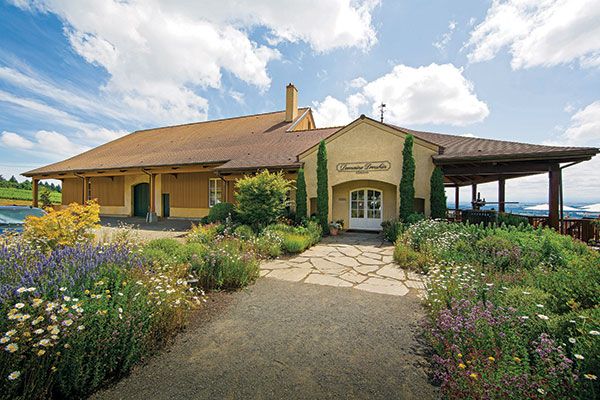
Great photo here of Domaine Drouhin Oregon winemaker Veronique Boss-Drouhin and her brother, viticulturist Philippe Drouhin.

Great photo here of Domaine Drouhin Oregon winemaker Veronique Boss-Drouhin and her brother, viticulturist Philippe Drouhin.

Domaine Drouhin Oregon

February 11, 2019

As snow continues to descend upon this manic Monday in Seattle, we bring you one of the best out of Oregon and the Dundee Hills. Founded back in in the 1980s, the Domaine Drouhin Oregon was masterminded by famed Burgundy producer, Domaine Drouhin, headed by Robert Drouhin, who decided to purchase land in the Dundee Hills. What was previously only Christmas trees and wheat, the Drouhin family began planting their first vineyards in Oregon. Robert chose his daughter, Véronique, to serve as DDO winemaker, and her brother Philippe Drouhin took responsibility for viticulture.  In 1988, DDO produced its first vintage, from purchased grapes, and in 1989 built the landmark, four-story gravity flow winery.

Domaine Drouhin Oregon WInery Photo.jpg

I visited the winery several times last year and am always blown away with the sweeping views of the valley. Domaine Drouhin Oregon has been one of my favorite stops since I first visited the Willamette Valley in 2002. My uncle, Dr. Brian Lueth, first introduced me to this estate, with some epic ‘Laurene’ bottling from the 1990s and early 2000s. Needless to say, quality has remained very high at this famed Oregon estate.

The new release  Pinot Noir wines were exceedingly good, none more so than their 2015 Domaine Drouhin Oregon ‘Laurene’ Pinot Noir (WWB, 94) which needs more than an hour decant but shows incredible poise and richness from this warm vintage in the Willamette Valley. This is truly one for the cellar. bI was also hugely impressed with their new entry level release, their 2016 Domaine Drouhin ‘Dundee Hills’ Pinot Noir (WWB, 92) which would stand out against many other ‘Reserve’ bottlings in Oregon. Learned more about this iconic Oregon winery  at http://www.domainedrouhin.com/ Here are the awesome new releases from Domaine Drouhin Oregon. 

Domaine Drouhin ORegon Pinots Feb 2019.jpeg


2016 Domaine Drouhin ‘Dundee Hills’ Pinot Noir- The 2016 Domaine Drouhin ‘Dundee Hills’ PInopt Noir is another silky and highly intoxicating effort from this storied estate. On the nose this gathers rose petal with cran-cherry, black truffle crudo and black tea aromas that build in the glass. The palate is silky smooth, showing a soft texture. Red cherry puree, black plum, peat moss and wild blackberry preserve flavors all marvelously combine. Delicious now, the wine will continue to evolve well over the next decade or more. Drink 2019-2029- 92


2016 Domaine Drouhin ‘Louise’ Pinot Noir- The ‘Louise’ Pinot Noir is a gorgeous new release wine by Domaine Drouhin. The nose is initially muted and needs more than an hour decant prior to opening up. Red cherry candy, peat moss, forest floor, salted milk chocolate covered raspberry flavors all beautifully combine in the glass. This beautifully textured wine will have a long life ahead of it — just try to hold off on enjoying this wine for another year. Drink 2020-2035- 93


2015 Domaine Drouhin ‘Laurene’ Pinot Noir- The 2015 Domaine Drouhin ‘Laurene’ Pinot Noir  is another stunning wine from this famed Dundee Hills winery. Named after Véronique Drouhin’s elder daughter, Laurène, this beautiful wine is always held back an extra year by the winery. This gorgeous new wine needs a one hour decant prior to opening up. Once aroused this shows off red currant, white pepper, black truffle shaving and cran-pomegrnate aromas that fill the glass. The palate shows a beautiful, soft texture. Copious red fruit, citrus rind and black tea with forest floor flavors all marvelously combine. Elegant and showing good weight, this beautiful wine will continue to cellar well for the next two decades. Drink 2020-2040- 94

Comment
Thibaut Delmotte is the talented winemaker behind all Bodega Colome wines.

Thibaut Delmotte is the talented winemaker behind all Bodega Colome wines.

Bodega Colome

February 8, 2019

Happy Friday to you all. Today we cover one of the famed properties out of Argentina, Bodega Colome have gained a worldwide reputation for producing very high quality Malbec and Torrontes that overdeliver for the price. Bodega Colome is located in the Calchaqui Valley, 2300 meters (7500 feet) above sea level, in the northwest region of Argentina. Founded in 1831, it is one of the oldest existing wineries in Argentina. In 2001, it was acquired by the Hess Family Estates. The wines are grown in the highest vineyards in the world (7218-10,207 feet above sea level). The high elevation contributes to the tension in the wines as they produce a wine made from the world’s highest altitude vineyard, their ‘Altura Maxima’ Vineyards, planted at an astounding 10,200 feet!

Thibaut Delmotte presides over the winemaking at Colome and has crafted some gorgeous new wines. One of the outstanding Torrontes wines available in the retail market, the 2018 Bodega Colome Torrontes (WWB, 93) has wonderful poise and salinity with a silky motuhfeel. This is an incredible wine made by the talented Thibaut Delmotte. Their 2016 Bodega Colome ‘Estate’ Malbec (WWB, 92) which shows wonderful Malbec character with chocolate and dark fruit tones. This is a killer value for the price. Learn more about these outstanding wines at http://www.bodegacolome.com/homepage/ Here are the great wines by Bodega Colome. 

Bodega+Colome+Torrontes.jpg


2018 Bodega Colome Torrontes- The 2018 Bodega Colome Torrontes is another outstanding value from this storied property. On the nose this takes on classic salted praline, Pink Grapefruit blossom with ripe peach and lychee aromas that impress in the glass. The palate is both rich and lithe, as this delights the senses with ripe nectarine, green apple, kumquat and lychee flavors. This is quite possibly the finest value Torrontes I have ever sampled. Drink 2019-2025- 93


2017 Bodega Colome ‘Authentico’ Malbec- The ‘Authentico’ Malbec was sourced from 100 year old Malbec vines set at over 7,000 feet. The nose yields a good purity of fruit with blackberry cobbler, and dark cherry that collide with chocolate and coffee ground aromas. The palate is exceedingly plush, giving off a generous mouthfeel and beautiful texture. Black Forest cake, mocha and creme de cassis with blueberry compote flavors all complete this silky Malbec. While enjoyable in its youth, this will continue to evolve well over the next decade. Drink 2019-2029- 92


2016 Bodega Colome ‘Estate’ Malbec- The Bodega Colome ‘Estate’ Malbec was sourced largely from the Colome Estate vineyard as well as from the El Arenal, La Brava and Altura Maxima vineyards. Dark cherry with cigar shavings, mocha and spicebox all connect marvelously on the nose. The palate is both rich and lithe, showing a good combination of fruit weight and tension. Black tea, anise, baking spices and blackberry compote flavors all come together nicely. A long-ager, this beautiful wine will continue to evolve over the next decade or more. Drink 2019-2033- 92


2015 Bodega Colome ‘Altura Maxima’ Malbec- A shining star out of the great Bodega Colome lineup, the ‘Altura Maxima’ was planted 10,200 feet above sea level and is the world’s highest planted estate. The nose takes on beautifully smoky and earthy tones with black tea, anise, dusty terroir and leather aromas all combining brilliantly. The palate is exceedingly refined, showing dark berry, leather, mocha and anise flavors. A strong tension and firm tannins grip this beautiful wine now. I can imagine that the ‘Altura Maxima’ will have an exceedingly long life in the cellar. Try to resist this beautiful wine for at least another year. Drink 2020-2035- 94

Comment
Agustín Santolaya serves as the talented winemaker behind Bodegas Roda wines.

Agustín Santolaya serves as the talented winemaker behind Bodegas Roda wines.

Bodegas Roda

February 7, 2019

Founded in 1987 by Catalan Mario Rotllant, Bodega Roda sources from 120 hectares - 70 owned by Roda and 50 by contracted growers - to craft some stunning Rioja wines. Having visited Roda a few years back I was blown away with their attention to detail. Their lineup of wines, from their entry level Crianza, to their upper tier Reservas, are beautifully crafted wines. Bodegas Roda had their first commercial vintage in 1992. All of their wines are sourced from older vines between 30 and 90 years of age and farming is entirely organic, without the use of pesticides.

Agustín Santolaya serves as head winemaker and winery director at Bodegas Roda. I was really impressed with the two Bodegas Roda wines that I sampled. Their 2011 Bodegas Roda ‘Reserva’ Rioja (WWB, 91) comes from a warm vintage in Rioja which was characterized by a dry growing season that produced ripe wines. This beautiful wine will age gracefully over the next decade or more. One of their most esteemed wines, the 2009 Bodegas Roda ‘Roda I Reserva’ Rioja (WWB, 94) is a remarkable wine that is one of the best of its kind that I have sampled in the past year. I absolutely adore Rioja wines from this warm vintage. This particular wine shows good power and balance —a hallmark of wines from this vintage. Learn more about this great winery at http://roda.es/?lang=en Here are the beautiful new wines by Bodegas Roda.


2011 Bodegas Roda ‘Reserva’ Rioja- This great ‘Reserva’ has 10% Graciano blended in. The wine shows a combination of red and dark fruits with toasty oak tones that round out the nose. The palate is lithe and showing a wonderful sense of place with black tea, licorice, exotic spic and leather tones rounding out this excellent ‘Reserva.’ While delicious now, this has a long way to go in the cellar. Drink 2019-2029- 91

Bodegas Roda I Reserva 2009.jpg


2009 Bodegas Roda ‘Roda I Reserva’ Rioja- The 2009 ‘Roda I’ is a compelling blend of 91% Tempranillo and the remainder Graciano. The nose is highly perfumed with rose petals, red cherry candy and toasty American oak. The palate is beautifully balanced and shows wonderful concenrtration and elegance with mocha, black tea, Asian spice, leather and pipe tobacco. Complex and downright decadent, enjoy this fantastic warm vintage. bottling over the next twenty years. Drink 2019-2040- 94

Comment
Great photo here of Dr. Kevin Pogue, one of the foremost experts in Washington State terroir.

Great photo here of Dr. Kevin Pogue, one of the foremost experts in Washington State terroir.

Interview with Dr. Kevin Pogue, Professor of Geology, Whitman College

February 6, 2019

Originally from Kentucky, Whitman College Professor, Dr. Kevin Pogue, is one of the foremost experts in Washington terroir. Dr. Pogue moved to the Pacific Northwest following the completion of his bachelor’s degree at the University of Kentucky and has been enchanted by the unique geology of this region ever since. Dr. Pogue has his PhD from Oregon State University and has been teaching at Whitman College since 1990. While I never took classes from Dr. Pogue while at Whitman College, I have several colleagues that raved about him and I did not actually meet him until recently. He is a downright awesome guy to talk wine and terroir with and I think you will very much enjoy his story. Here is my interview with Dr. Kevin Pogue, Whitman College Professor of Geology


WWB: What were your initial inspirations in Geology? How did you decide to pursue your PhD in Geology?


KP: I actually knew that I wanted to be a geologist in fourth grade which is very unusual. Most of my students at Whitman College didn’t know they wanted to major in geology until their sophomore year, which is more typical. I became interested in geology growing up in Kentucky when I found pockets of crystals in the local limestone. I was also fascinated by the different layers of rocks that I saw in the road-cuts on family trips throughout the state. I developed a sizable mineral collection that I would display at local gem and mineral shows. I even had geologic maps on my bedroom walls in high school. That’s how intrigued I was by geology.  

I knew that I wanted to major in geology in college. When I was working on my BS at the University of Kentucky, most geologists were being hired by the oil industry. However, the Arab oil embargo ended just before I graduated, and suddenly there were many unemployed geologists. I decided, based on the shortage of job options, that getting a graduate degree was the best plan. I didn’t initially plan to pursue a PhD, but I knew that I wanted to get my graduate degree and that I wanted to live in the western US, since skiing and mountain climbing were my recreational passions. For my MS degree, I attending Idaho State University where my tuition was waved in exchange for teaching laboratory classes in introductory geology. I had a fairly heavy teaching load of about nine contact hours per week. So at age 22 I was already teaching college classes, and I loved it. My students gave me great teaching evaluations and I then realized that perhaps teaching was my true calling, and if I wanted to teach at the college level I needed to get a PhD. I applied to a bunch of PhD programs and Oregon State University’s offer was the most attractive since it provided me with research and teaching assistantships and gave me the opportunity to conduct research in the Himalaya of northern Pakistan. So I moved to Corvallis and lived there for seven years, working mostly in Himalayan geology.


WWB: You began your professorship at my alma mater, Whitman College and have been teaching there for almost 3 decades. Can you talk about how you became an expert in Washington terroir for wineries?


KP: I moved to Walla Walla in 1990 and became familiar with the wineries here. I was initially unfamiliar with the concept of terroir, but I became much more interested in wine as the wine industry was changing in Walla Walla due to the influence of Leonetti, Woodward Canyon and other great wineries. In 1998, geologist James Wilson’s book “Terroir”, which focused on the geology of French wine-growing areas, was published. I think 3 different winemakers gave me copies around this time.

This book made me realize that the French were very far ahead of us in terms of understanding the physical aspects of their vineyard sites and how their growing conditions were affected by variations in geology, soils, and climate. We were like the wild west out here, in that a property owner might choose a site for a new vineyard simply because the land was cheap, or they happened to already own it, and they’d choose the cultivar based on what they liked to drink, not what was best suited to the site. In many cases it seemed that very little consideration was being given to the climate and soils and which (if any) varieties were most suited. Most of this sort of site and varietal selection was worked out in Europe by trial and error over the last 2000 years. I figured we could short-cut that by doing some more detailed research that integrated climate, soil, and topography and use that to figure out where particular varieties would best suited. German immigrants planted Riesling in Washington as early as the mid-1800’s, but not until Walter Clore was there any sort of research-based approach to site selection. Today we much even better tools and access to databases that allow us to determine where and what we should plant. I decided sometime in the early 2000’s that I wanted to make this the focus of my research.


WWB: One of the most exciting emerging regions in Washington state is the region along the North Fork of the Walla Walla River. Can you explain how this unique terroir in this emerging region contributes to novel and complex wines? How does this terroir influence the wine?


KP: The North Fork is steeply sloped and south facing and features shallow soils. Hors Categorie and Tertulia Cellars are currently making wines from there. Force Majeure recently acquired a stunningly beautiful piece of land up there and I’m beyond anxious to see what winemaker Todd Alexander does with the fruit from this special site. It’s somewhat similar to Ferguson Vineyard [owned by L’Ecole No. 41] because it features thin soils on fractured basalt at relatively higher elevations. At the North Fork I’ve created maps that integrate elevation, slope, and aspect and show were the best attributes overlap. The North Fork just checked all boxes for me for the sort of site characteristics that are shared by vineyards in some of the world’s great wine regions – think Cote Rotie or Priorat. I’m confident it will be a unique new terroir for the Walla Walla Valley.


WWB: Living here in Seattle and noticing the obvious climate change that has impacted this region for more than a decade, many wineries on the west side have been more and more intrigued about potential growing regions for Western Washington. What strikes you in terms of unique geography for this region that would be excellent terroir for grape growing?


KP: Climate change certainly opens up intriguing possibilities for expanding vineyard plantings and experimenting with new cultivars in western Washington. I know that in 2007 there was a large GIS-based study of the viticulture potential of the Olympic peninsula l that was based on the extrapolation and interpolation of climate data. That study showed that there is already some potential in the rain shadow region northeast of the Olympic Mountains. I think that there are some potentially good growing areas in the Puget Sound AVA but you would want to look for areas where the soils are warmer, well-drained, and would dry out sooner. You would also definitely be looking for southern aspects that allows the soils to warm up more quickly in the spring. I think there is great potential right now for the Swiss grape Chasselas. A major problem is that it is difficult to find affordable agricultural land near expanding urban areas, and the Puget Sound area is growing like crazy right now.


WWB: What are some of your favorite terroir-driven wines in the world?


KP: Great terroir only asserts itself if the wines are derived from uniform conditions and they are not overly manipulated, so I prefer single vineyard wines that feature minimalist winemaking. I enjoy Cornas and Hermitage. I also certainly love a lot of the great wines from Burgundy. I enjoy Bordeaux wines and how they taste, but the wines I most appreciate are derived from a single vineyard and single varietal, because that’s when you can really detect differences related to site. There are certain varieties that show terroir better. I think Syrah shows the most terroir. Many sommeliers I’ve met have agreed with me that Syrah shows its terroir better than any other grape. I love Alsatian wines and I love great Rieslings from the Mosel and Rheingau. I really enjoy Tempranillo from Rioja as well. Of course, there are plenty of wines that I enjoy that are just flat out delicious and I appreciate them just because they’re delicious and well-made.

Comment
T

T

Calera

February 5, 2019

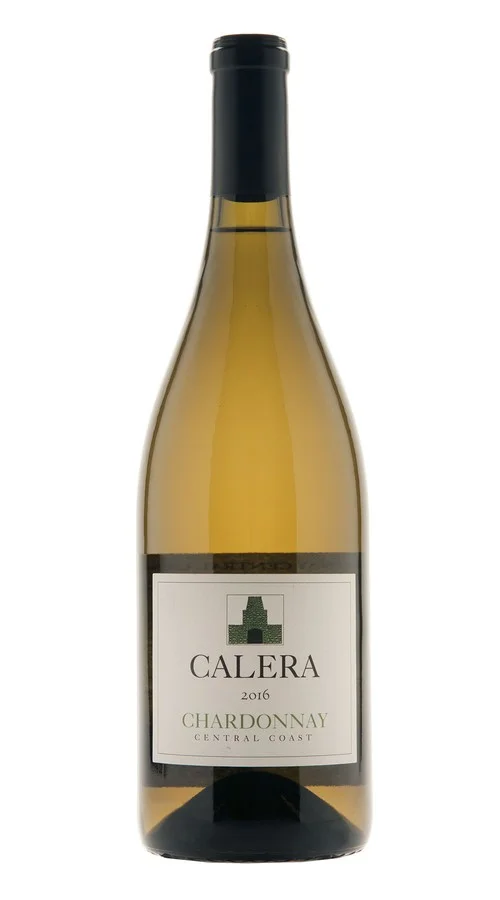
One of the outstanding producers of Central Coast Chardonnay and Pinot Noir, Calera have a long history in California wine, dating back to the 1970s. In the early 1970s Calera founder Josh Jensen was exploring Europe, and decided to work a harvest at famed winery Romanée-Conti. Josh was inspired to make great Pinot Noir in California and 1974, he purchased land located on steep slopes of Mount Harlan, a 3,278-foot peak in the Gavilan Mountains that divide Monterey and San Benito counties. Josh founded Calera in 1975 and planted his three estate vineyards: Jensen, Reed and Selleck. Josh achieved incredible critical acclaim for his Pinot Noir and Chardonnay wines.

Two years ago Calera was sold to the Duckhorn wine group as Josh noted that Calera was his “life's work.” The winery itself is located in Hollister, and boasts sweeping views of the Diablo Mountain Range. Head winemaker Mike Waller previously worked as assistant winemaker at storied property Chalone, before coming to Calera. Mike has served as head winemaker for the past decade. While they may have new winery ownership, the quality of the wines have remained the same as the new releases by Mike Waller were gorgeous across the board. The 2016 Calera ‘Central Coast’ Chardonnay (WWB, 91) is a downright killer bargain at $25.00, showing seriously good range and a beautiful mouthfeel. All of the single vineyard Pinot Noirs showed a good combination of ripeness and earthy terroir. The 2016 Calera ‘Mills Vieyard’ Pinot Noir (WWB, 93) impresses with its freshness and forest floor aromas with dark fruit flavors. This is one for the cellar. Learn more about these outstanding new wines at https://www.calerawine.com Here are the great new releases by Calera.

Calera 2016 Chardonnay.jpg


2016 Calera ‘Central Coast’ Chardonnay- This outstanding new wine was sourced from Bien Nacido as well as Zabala Vineyard, and Pedregal Vineyards. The nose shows toasty oak with brioche and nutmeg, alongside toasted hazelnut aromatics that fill the glass. The palate shows a creamy texture and ripe mouthfeel with a good combination of melon and citrus fruit flavors that connect with bright minerality. Drink 2019-2023- 91


2016 Calera ‘Central Coast’ Pinot Noir- Sourced from Gary’s Vineyard in the Santa Lucia Highlands as well as Solomon Hills Vineyard in the Santa Maria Valley and Laetitia Vineyard as well, this bold Pinot Noir opens with a bouquet of cherry cola, with cran-orange and sassafras notes. The palate shows good acidity and weight with downright delicious cola, black cherry compote and Mandarin orange zest flavors. Quite forward now, this will continue to cellar well over the next five plus years. Drink 2019-2024- 92


2015 Calera ‘Selleck Vineyard’ Pinot Noir- The ‘Selleck Vineyard’ is a tiny, 4.8 acre plot planted to Pinot Noir vines first planted in 1978. Teaberry and cranberry show nice astringency on the nose with milder earthy tones coming into play. The palate shows good freshness and intensity with forest floor that connect with decadent black fruits like black currant, black raspberry puree and cola. A strikingly novel bottling, this beautiful wine will continue to evolve well for the next fifteen years. Drink 2019-2033- 93


2015 Calera ‘Mills Vineyard’ Pinot Noir- The ‘Mills Vineyard’ was aged for 17 months in 100% French oak prior to bottling. Vines at the vineyard were first planted in 1984. The ‘Mills Vineyard’ Pinot Noir starts off with a whiff of dark cherry with pomegranate seed and peat moss with forest floor aromas. I really like the freshness here as the wine shows a rich combination of red and dark fruits that connect with the minerality. A long-ager, this brilliant wine is best enjoyed over the next fifteen years. Drink 2019-2033- 93


2015 Calera ‘Ryan Vineyard’ Pinot Noir- Located on Mt. Harlan, the Ryan Vineyard is set at 2500 feet. The nose displays a nice salinity with white pepper, diatomaceous earth and cran-cherry aromas that build in the glass. The palate shows a rich mouthfeel, followed by wild blackberry, black tea, red cherry candy and cran-pomegranate. Outstanding and highly balanced, this will have a long life in the cellar. Drink 2019-2033- 93


Comment
The talented Louis Skinner serves as head winemaker at Betz Family Winery.

The talented Louis Skinner serves as head winemaker at Betz Family Winery.

Betz Family Winery

January 30, 2019

One of the storied Washington wineries, Betz Family Winery, has been producing high quality red wines since its inception in 1997. Famed winemaker, Bob Betz, MW, served at Chateau Ste. Michelle for 28 years and now also consults for Col Solare. Bob Betz served as winemaker at his namesake winery until 2016 in which Louis Skinner took the helm as head winemaker. One year prior to that, Betz purchased a vineyard in the Walla Walla Rocks District, the Old Stone Vineyard, located next to the River Rock Vineyard. I was able to try the first wine made from this vineyard, the 'Domaine de Pierres’ Syrah (WWB, 94) which showed marvelous range and was downright delicious. I think this vineyard has a ton of potential moving forward.

The winemaking team at Betz takes on a collaborative approach. Keep your eye out for my friend and colleague, Jonathan Villaseñor, who was recently promoted to Betz cellar hand. Jonathan has a keen palate and having tasted with him many times, I can see that he has a huge potential in this industry.

Winemaker Louis Skinner initially had little interest in wine. Born in Seattle and was raised in the Shelton, Washington, he initially studied to be an auto technician before his friend inspired him by setting up a tasting of wines of the world. From that moment forward, Skinner knew wine was his calling and he immediately enrolled in the South Seattle Community College wine program in which he was not only studying there but constantly reading books on wine. Skinner began interning for Betz in 2010 and then worked three harvests for DeLille. Skinner worked closely with Washington wine pioneer, Chris Upchurch and even travelled with Upchurch to Burgundy, the Loire Valley, and the Rhone Valley.

Skinner then was hired on as assistant winemaker at Betz before being promoted to winemaker in 2016. Louis takes on a very classic winemaking style which focuses on crafting a great degree of minerality in his wines. This style is somewhat similar to Upchurch’s style, showing good fruit but a high focus on mineral-driven wines. His new Betz wines were outstanding across the board, none more so than the 2015 Betz Family Wines ‘Pere de Familie’ Red Wine (WWB, 94) which has wonderful length and richness as well as a sterling minerality. This is one for the cellar. Learn more about these beautiful wines at https://www.betzfamilywinery.com Here are the great new wines by Betz Family Winery

2016 Betz Family Winery ‘La Cote Rousse’ Syrah- The ‘La Cote Rousse’ is sourced from Red Mountain and shows off an inky color. The nose is seductive with dark fruits and chocolate that connect with dried herbs and smoky undertones. Downright delicious once in the mouth, this shows beautiful milk chocolate, bulls blood, and blackberry preserve flavors. With sterling minerality, this has some serious aging potential. Drink 2019-2028- 92

2016 Betz Family Winery ‘La Cote Patriarche’ Syrah- Sourced from the Yakima Valley, this beautiful Syrah begins with enticing dark and red fruit aromatics that connect with black tea and herbal tones. The wine shows has really good freshness and purity of fruit on the palate with red currant, wild blackberry and crushed mint with orange rind flavors. I can see this aging for more than a decade. Drink 2019-2028- 92

2016 Betz Family Winery ‘Domaine de Pierres’ Syrah- The ‘Domaine de Pierres’ Syrah is a spectacular wine that shows wonderful terroir from the vines that are set on stony terroir from their ‘Old Stone Vineyard.’ Sourced from the Walla Walla Valley, the wine shows wonderful stony character on the nose with green olive, milk chocolate and peat moss aromas that build in the glass. The palate is plush and delights the senses. Green olive tapenade, milk chocolate, wet stone and red currant flavors all beautifully mingle together. Enjoy this great wine over the next five to ten years. Drink 2019-2024- 94

2015 Betz Family Winery ‘Possibility’ Red Wine- The ‘Possibility’ shows really good range on the nose from dried herbs to black fruits to chocolate tones. The mouthfeel is plush as the wine shows wonderful refinement and tension. Wild blackberry, huckleberry and crushed mint flavors impress. The minerality and light tannins of this wine suggest this is a long-ager. Drink 2019-2028- 92

Betz Family Wines Clos de Betz.png

2015 Betz Family Winery ‘Clos de Betz’ Red Wine- The 2015 ‘Clos de Betz’ by Betz Family Wines is a phenomenal wine from this storied Washington winery. The wine is primarily Merlot (65%) and shows sagebrush, milk chocolate and black cherry on the nose. The palate is plush, revealing a silky mouthfeel. Black tea, milk chocolate covered cherry and dried sage flavors all combine nicely. This beautiful, mineral-driven wine will cellar well for a decade or more. Drink 2019-2030- 93

2015 Betz Family Winery ‘Pere de Familie’ Red Wine- The 2015 'Pere de Famille' is a Cabernet based wine with a touch of Petit Verdot blended in. It was aged for 19 months in new French oak prior to bottling and the resultant wine starts out with a lovely combination of red and dark fruits along with green bell pepper nuances on the nose. The plush texture entices, as the wine unveils flavors of red cherries, wild blackberry cobbler, lavender and a kiss of milk chocolate. Balanced, with wonderful weight, this wine will likely begin to show its best after some short-term cellaring. Drink 2019-2033- 94

Comment
Great photo here of David Rosenthal, Chateau Ste. Michelle’s talented white winemaker.

Great photo here of David Rosenthal, Chateau Ste. Michelle’s talented white winemaker.

Interview with David Rosenthal, Chateau Ste. Michelle Wine Winemaker

January 29, 2019

Making wine at Chateau Ste. Michelle is an arduous task. I can’t imagine how difficult it must be keeping organized with the hundreds upon hundreds of single block wines as they now produce four million cases of wine including one million cases of their fantastic entry level Riesling each year. Overseeing all white wine production is David Rosenthal, who is a graduate of the University of Puget Sound. Originally from Denver, David has worked harvests in Australia and even worked in the lab at Robert Mondavi Winery in Napa. He has a wealth of knowledge and has been with Chateau Ste. Michelle since 2007 and in 2015 he was named their white winemaker. I think you will really enjoy hearing his story in wine. Here is my interview with David Rosenthal, white winemaker at Chateau Ste. Michelle.

WWB: How did you initially get interested in wine?

DR: My wine epiphany moment was senior year of college.  A group of us thought we were being fancy and made a nice dinner one weekend and we drank a bottle of Treana, Central Coast Red blend.  This was the first bottle of wine I had ever truly enjoyed.  However, I don’t think I gained a true appreciation for wine until about the second or third year I worked at Chateau Ste. Michelle.  I was in my early 20s and those first couple years, I was just trying to get my brain wrapped around the winemaking process.  I was more interested in the specials on pitchers of beer on Thursday nights at the bowling alley than I was in the finer points of winemaking.  However, after a little maturity and a few Wine 101 classes to help me understand the complexity of global winemaking, I was hooked. 

WWB: You hold a bachelor’s degree from the University of Puget Sound. How did you decide to move from the Pacific Northwest to Napa and work in their lab? What was that experience like working at famed producer Robert Mondavi Winery?

DR: After college, I was waiting tables in my home town of Denver.  I was looking to use my degree in marine biology, and a college friend who was working in a tasting room in Napa suggested I apply for a harvest lab position at some wineries in Napa.  It was just before harvest, so most wineries were still hiring.  On a whim, I sent out of few resumes, and Robert Mondavi winery hired me the next week.  I drank enough wine in college to know the difference between Cabernet and Chardonnay, but it occurred to me a couple days before I drove from Denver to Napa that I was not 100% sure wine came from grapes.  No joke, I read Winemaking for Dummies while my Dad and I drove out to California.

My initiation into the wine industry could not have been more spectacular!  I may have been reading Winemaking for Dummies on the way to Napa, but even I knew who Robert Mondavi was and how important he was to the wine world.  During the 2001 harvest, when I worked there, the granddaughter of Margrit Biever Mondavi was also doing a harvest lab internship.  She was staying with Robert and Margrit at their home in Stag’s Leap.  On two different occasions the entire lab staff was invited up to the house for dinner.  Robert and Margrit were always on the go, but they were gracious with the time they had, and they were fabulously interesting people.  So, my introduction to the wine business was drinking wine with Robert Mondavi in his living room (which had a full-sized pool by the way). 

WWB: What was it like working for Domaine Serene under superstar winemaker Tony Rynders? How did their world class white wine program prepare you for being Chateau Ste. Michelle’s white winemaker?

DR: I worked for Domaine Serene in the fall of 2006.  In the Spring of 2006 I worked harvest in the Riverlands region of South Australia for a winery so big, it would make Gallo blush.  So, the juxtaposition of that experience and working at a small ultra-premium producer was both startling and highly educational.  First, Tony and Drew Voit (associate winemaker at the time) had an incredible attention to detail. Everything to be done, needed to be done correctly and precisely.  Second, there is a culture of winning at Domaine Serene that I have never seen anywhere else.  That is a strange thing to say about a winery, because wine is so subjective no one winery can ever “win”.  However, they demanded the best and they expected to make the best wines in the world.  They remind me of the New England Patriot’s winning culture and some people liked it more than others, but everyone respected the quality of the wines.

So, working at Domaine Serene taught me that there is no excuse for cutting corners, expecting anything but the best, or for not trying to make the best wines possible. Even though we are a larger producer, we use many of the same principles as Domaine Serene, we just have to repeat the process a few more times each harvest.

WWB: You make dozens of white wines for Chateau Ste. Michelle and craft some of the best value white wines in the United States, like your seriously good 2016 Chateau Ste. Michelle ‘Indian Wells’ Chardonnay (WWB, 92). What are some of the challenges with creating so many wines?

DR: First, thank you!  I take a huge amount of pride in our team’s creation of high quality, value wines.  Second, Washington State is a rare growing region because we can grow such a diverse array of world-class grapes and create multiple styles within each variety.  Winemakers in a candy store!  Third, Chateau Ste. Michelle affords its winemakers a unique opportunity.  We get to make wine that people can afford to drink every day so that wine can become a bigger part of their daily lives.  We also get to geek out and make small production, artistic, and sometimes off the wall wines for our wine club that satisfy our desire to explore winemaking.  I think both types of wines are equally important.

Having said that, it truly takes a team working with the same set of values and principles to make great wine.  Every vintage, heck every day during harvest presents a unique set of challenges.  The challenge is listening to each block of grapes or each fermentation and allowing the wine to be what it wants to be.  Then, it takes a seasoned and dedicated team like ours to know how to properly react to those sounds and put in the extra effort because it is the best thing for the wines.

 WWB: When you are not enjoying Chateau Ste. Michelle wines, what are some of your favorite wines and producers of the world?

DR: I love German Riesling.  Dr. Loosen, Donnhoff, and Maximin Grunhaus are some of my favorites.  After that, my wife and I drink a lot of Pinot Noir and wines from the Rhone Valley.  From Oregon wineries such as Cameron, from Burgundy we like Caroline Parent, and from the Rhone you can’t wrong with Chapoutier.

Comment
Former NFL quarterback, Rich Mirer, is under center at his great Napa winery, Mirror Napa Valley.

Former NFL quarterback, Rich Mirer, is under center at his great Napa winery, Mirror Napa Valley.

Mirror Napa Valley

January 28, 2019

When Rick Mirer was taken with the second pick of the 1993 draft, the Seattle Seahawks had in their mind that they were choosing the next Joe Montana. Even prior to going to Notre Dame, Mirer was one of the most successful prep quarterbacks in Indiana state history, earning the Academy of Achievement Award as the top high school football player in the country in 1989, as well as the Atlanta Touchdown Club's Bobby Dodd Award as the nation's best high school quarterback. At Notre Dame, Mirer was just as good, winning three bowl games and accounting for more points running and throwing (350) than any other player in Notre Dame history. 

The Seattle Seahawks were a very poor team when they drafted Mirer in 1993. Still, Mirer finished his rookie season 5th in the AFC with 274 completions and 2833 yards and was AFC Rookie of the Year by United Press International. Mirer’s remaining seasons were not as successful in Seattle, being set behind an abysmal offensive line. Having gone to those games in the 1980s, all of us in the stands knew that Mirer was really not given a fair chance with such poor protection. Eventually traded to the Chicago Bears in 1997, Mirer continued to play as a backup quarterback until 2004. 

Close friends with Drew Bledsoe, and drafted right behind him in 1993, Mirer admits that his friendship with Bledsoe helped lead him to start Mirror Napa Valley. Bledsoe and Mirer even took off-season­ vacation with their wives to Napa Valley. During the off-season they would also try to stump each other with wines from Port or Brunello di Montalcino. It made sense that both quarterbacks would start their wineries post-football. While playing for the Raiders and 49ers Rick became even more passionate for wine, being so close to Napa Valley. Finally in 2008 Rick started Mirror Napa Valley, utilizing the winemaking talents of Kirk Venge, formerly of Mumm Napa Valley. Kirk serves as winemaker for several great Napa wineries including B Cellars, Bacio Divino Cellars, Beau Vigne, Entrepreneur Wines, and Hunnicutt Wines. The new releases by Mirror were gorgeous. Check out the 2015 Mirror Cabernet Sauvignon (WWB, 93) which combines wonderful richness, herbal tones and great terroir. Nearly as good was the 2017 Mirror Sauvignon Blanc (WWB, 91) which is a marvelous pairing for shellfish or a hot summer day. Learn more about Rick Mirer’s great winery at https://www.mirrorwine.com Here are the beautiful new wines by Mirror Napa Valley.

Mirror Napa 2019 releases.jpg


2017 Mirror Napa Valley Sauvignon Blanc- The nose is distinctly Napa with gooseberry and unripe melon aromas. The freshness and texture to the wine is marvelous as kumquat, Japanese pear and cantaloupe flavors all impress. Pair this delicious wine with Kusshi oysters. Drink 2019-2022- 91


2015 Mirror Napa Valley Cabernet Sauvignon- This burly and intense Cabernet Sauvignon by Mirror Napa Valley and former NFL quarterback/proprietor, Rick Mirer, shows wonderful Napa character. This Cabernet Sauvignon was sourced from Calistoga, from vines set on volcanic and alluvial soils. The wine was aged in 100% new French oak for 30 months prior to bottling. The nose starts off with deep red bell pepper, coffee ground and creme de cassis aromatics that continue to build in the glass. The palate is plush and voluptuous as the wine has a marvelous mouthfeel and texture as well as tension. Black cherry compote, black olive tapenade, espresso bean and dusty terroir flavors all marvelous combine in the glass. A stunning effort, this great wine will continue to gracefully evolve for the next two plus decades.  If enjoying in its youth, be sure to give this at least a one hour decant. Drink 2019-2040- 93

1 Comment
The talented Brian Rudin has crafted some gorgeous new wines for Canvasback.

The talented Brian Rudin has crafted some gorgeous new wines for Canvasback.

Canvasback

January 25, 2019

One of the outstanding new Washington wineries formed by Duckhorn pioneers Dan and Margaret Duckhorn in 2011, Canvasback utilizes the vineyard management talents of Dick Boushey and winemaking abilities of Brian Rudin in creating rich and layered Washington Cabernet Sauvignon. Canvasback sources from some of Washington’s great vineyards such as the grapes from some of Red Mountain’s most acclaimed vineyards, including Klipsun, La Coye, Shaw and Quintessence Vineyards. Their debut wine from the 2012 vintage was outstanding and they have impressed with their next series of wines. They now produce a ‘Grand Passage’ Cabernet Sauvignon, entirely sourced from Red Mountain and have planted an exciting new estate vineyard, the Longwinds Vineyard, on Red Mountain right above Col Solare.

Great photo of the Longwinds Vineyard on Red Mountain.

Great photo of the Longwinds Vineyard on Red Mountain.

The Longwinds Vineyard was planted in 2013 and has 13.5 acres of Cabernet Sauvignon and 4.5 acres of Merlot, with the Cabernet grown in the rockier, exposed soils at the top of the vineyard, and the Merlot grown near the bottom, where the soils have higher water-holding capacity. 

Brian Rudin is a hugely talented winemaker. Originally from Eastern Washington, Brian has previously worked for famed winery L’Ecole No. 41 and served as head winemaker for four years at Cadaretta and Buried Cane before coming to Canvasback in 2014. Both of his new releases by Canvasback were glorious and impressive considering the heat spikes and challenges of the 215 vintage. I was absolutely blown away by the 2015 Canvasback ‘Grand Passage’ Cabernet Sauvignon (WWB, 93) which has a marvelous combination of richness and tension. This will cellar marvelously for a decade or more. Learn more about these great new wines at https://www.canvasbackwine.com Here are the beautiful new Cabernet Sauvignon releases by Canvasback. 


2015 Canvasback ‘Red Mountain’ Cabernet Sauvignon- This largely Cabernet based Red Mountain wine starts off with aromas of toasty oak, cigar box and creme de cassis. There is a wonderful purity of fruit here, with boysenberry cobbler, milk chocolate and cassis flavors showing full force. With good weight and structure, this is built for at least ten years in the cellar. If enjoying young, be sure to give this an hour decant. This is an outstanding effort by the talented Brian Rudin. Drink 2018-2030- 92


2015 Canvasback ‘Grand Passage’ Cabernet Sauvignon- The ‘Grand Passage’ Cabernet Sauvignon is entirely sourced from the Red Mountain AVA. The wine shows nice aromatic richness with black tea, sagebrush, wild blackberry jam and coffee grounds on the nose. The palate delights, showing good richness and tension. I love the finish that complements the black fruits with mouth-watering acidity that impresses from this hot vintage. Drink 2018-2030- 93

Comment
Great photo here of Ruby Vineyard co-proprietor, Stephen Hendricks, pouring wine for one of his guests.

Great photo here of Ruby Vineyard co-proprietor, Stephen Hendricks, pouring wine for one of his guests.

Ruby Vineyard

January 24, 2019

Located in the Chehalem Mountains AVA, Ruby Vineyard is a small, 7.25 acre plot, planted to Pinot Noir. The vineyard, first planted in 1973, is home to some of the oldest Pinot Noir plantings in Oregon, which are set on Laurelwood soils. In 1979 Pinot Noir, Riesling, and Chardonnay were planted and the white wine varietals were later grafted to Pinot Noir Dijon clone 115 in 1990. What was formerly Beran Family Wines, in 2012 the vineyard was sold to Steve Hendricks and Flora Habibi and Ruby Vineyard was born. 2015 was the first vintage of these wines and I reviewed their first wine last year, which was a beautiful entry level Oregon Pinot Noir. Co-proprietor Stephen Hendricks is a fifth-generation Oregonian who has a strong family agriculture background.

Stephen relies on the winemaking talents of Andrew Kirkland who has crafted really good new wines. Andrew has served as assistant winemaker under Eric Hamacher and has also served at eminent Oregon producer, Brittan Vineyards under superstar winemaker, Robert Brittan. Andrew’s Ruby Vineyards ‘Reserve’ wines were both gorgeous — and were also very different. The 2015 Ruby Vineyard ‘Flora’s Reserve’ Pinot Noir (WWB, 92) shows distinct red fruit and citrus rind flavor profile, while the 2016 ‘Flora’s Reserve’ (WWB, 92) is more dark-fruit driven. Both possess a wonderful sense of place and poise, as well as good earthy terroir. I absolutely loved both of these new wines. Considering this winery has only just begun, these new wines are a resounding success and something to keep on your radar. Learn more about these outstanding wines at http://www.rubyvineyard.com Here are the great new ‘Reserve’ wines by Ruby Vineyard.

Ruby Vineyard Reserve Pinots.jpg


2015 Ruby Vineyard ‘Flora’s Reserve’ Pinot Noir- The 2015 Ruby Vineyard ‘Flora’s Reserve’ starts off with toasty oak that wraps around red cherry, pomegranate seed and citrus rind aromas with a touch of wild mushroom. The palate shows a soft texture and wonderful mouthfeel. Alright quite developed, the wine brings together red cherry candy, orange rind and peat moss flavors that all impress. Downright delicious now, this will continue to develop for a decade or more. Drink 2019-2029- 92


2016 Ruby Vineyard ‘Flora’s Reserve’ Pinot Noir- Sourced from the older vines in the vineyard, first planted in 1973 (Wadenswil Clone 1), this shows nice earthy tones on the nose with dried thyme, peat moss and black tea with wild blackberry puree. The palate is jam-packed full of acidity, with a soft mouthfeel. Black tea, black cherry pie and hints of black truffle flavors all nicely combine. Surprisingly delicate considering the heat of the vintage, this shows really good elegance and poise. Quite simply, the 2016 is a completely different animal than the ’15 ‘Flora’s Reserve’ — yet it is equally good. Drink 2019-2029- 92

Comment
Great photo here of iconic winemaker and wine pioneer, Paul Hobbs.

Great photo here of iconic winemaker and wine pioneer, Paul Hobbs.

Viňa Cobos

January 23, 2019

Friends, we do a brief jaunt down to Argentina today. While it is hotter than Hades down there, we continue to bask in the winter doldrums drenched in rain and sun deprivation. Great Malbec seems like the perfect remedy for this time of year. One of the outstanding producers of Argentinian Malbec, Viňa Cobos is the brainchild of famed winemaker and producer, Paul Hobbs. It is hard to believe that this great estate was started twenty years ago. Paul saw great potential for creating world-class Malbec and sought to develop vineyard sites in the Luján de Cuyo and Valle de Uco of Mendoza. He was met with great critical acclaim since his first vintage in 1999. Paul found some special, high elevation sites in both growing regions from 800 m (2,624 ft) and 1,100 m (3,308 ft) above sea level in the Luján de Cuyo to 900 m (2,952 ft) to 1,400 m (4,593 ft) above sea level in the Valle de Uco. 

The Viňa Cobos winery is a state of the art facility in Mendoza.

The Viňa Cobos winery is a state of the art facility in Mendoza.

The top wine that I sampled was sourced from the Marchiori Estate, set at over 3,000 feet. The estate is planted to a host of varietals including Malbec, Cabernet Sauvignon, Chardonnay, Petit Verdot and Merlot. Malbec vines at this estate are more than 80 years of age. I was absolutely blown away with the 2015 Viňa Cobos ‘Cobos Marchiori Estate’ Malbec (WWB, 98) which is the best Malbec from Argentina that I have ever sampled. This wine had such incredible fruit weight and concentration while maintaining marvelous poise and acidity. Quite simply, this wine has everything you want in a stellar Argentinian Malbec. While I have never visited this storied estate I can’t wait to visit and see this dramatic mountainous setting. I am sure the photos do not do justice to its beauty.  


2015 Viňa Cobos ‘Bramare Rebon Estate’ Malbec- The ‘Rebon Estate’ by Viňa Cobos is a sensational wine sourced from the Valle de Uco. The vineyard is set at more than 3,000 feet above sea level and is set on sandy loam soils with a lighter small pebble influence. The nose shows ripe red currant jelly, blackberry cobbler, mocha and spice box aromas that fill the glass. On the mouth there is a voluptuous mouthfeel and silky texture. There is a wonderful purity of fruit here. Black Forest cake, cigar ash, creme de cassis and dark  chocolate flavors all connect beautifully in the glass. Forward and intense, this is a simply stunning wine that is drinking marvelously now, but can be enjoyed over the next ten to fifteen years. Drink 2019-2033- 94


2015 Viňa Cobos ‘Bramare Chanares Estate’ Malbec-The ‘Chanares Estate’ Malbec is located in the Los Árboles, Tunuyán appellation in the Valle de Uco. Vines are planted at nearly 4,000 feet on alluvial and sandy loam soils. A glass-staining purple color, this starts off with intense aromas of black tea, licorice, creme de cassis and mocha. The palate shows a nice salinity and rich mouthfeel with gobs of tension. Light tannins frame black tea, Asian spice, creme de cassis and loganberry preserve flavors with a touch of milk chocolate. Gorgeous now, this will continue to evolve over the next ten plus years. Drink 2019-2030- 93

Vina Cobos 2015 Cobos Malbec.jpg


2015 Viňa Cobos ‘Cobos’ Marchiori Estate’ Malbec- The ‘Marchiori Esate’ by Viňa Cobos is sourced from the Marchiori Vineyard and is planted to 18-year-old Cabernet Sauvignon vines planted at 3,270 feet (996 meters) and Malbec vines over 80 years old, planted at 3,264 feet. The ultra-concentrated wine is simply magical right now and starts off with anise, Black Forest cake, blueberry cordial, Asian spice and creme de cassis. The palate is dense and decadent, showing intense fruit weight and viscosity that is downright mesmerizing. Blueberry compote, dark chocolate covered espresso bean, exotic spice, violets and blackberry cobbler flavors all marvelously come together in the glass. A true heavyhitter, the ‘Marchiori Estate’ Malbec by Viňa Cobos s is the best wine out of Argentina that I have ever sampled. While glorious now following a one hour decant, this incredible wine will continue to evolve well for the next two decades. Drink 2019-2040- 98

Comment
Tomas Roquette serves as the talented winemaker behind Quinta do Crasto

Tomas Roquette serves as the talented winemaker behind Quinta do Crasto

Quinta do Crasto

January 22, 2019

One of the storied houses of Portugal, Quinta do Crasto is a top producer of not only vintage Port but full-bodied red wines. For those who have never tried wine from this producer, it is a must-visit. Simply put, these wines over-deliver for the price. Crasto has roots from the 1600s and have become one of the world’s top producers of dry Portugese wines. The vines are set on dramatic steep slopes on the right bank of the Douro River between Régua and Pinhão, as Quinta do Crasto is a 135-hectare estate with 74 hectares of vineyards. In 1981, Leonor Roquette, daughter of Fernando Moreira d’Almeida, together with her husband Jorge Roquette, took over majority ownership as well as the management of the estate. With their sons Miguel and Tomás, they began the process of renovating and extending the vineyards and in 1994 they began producing their beautifully balanced Douro DOC wines that have made Quinta do Crasto famous. 

The new wines by made by Tomas Roquette were gorgeous across the board. An exceedingly good value, the 2017 Quinta do Crasto ‘Flor Do Crasto’ Red Wine (WWB, 90) showed wonderful richness and a soft texture. I was absolutely enthralled with their 2014 Quinta do Crasto ‘Duoro Reserva’ Red Wine (WWB, 93, which is a blend of 20-30 varietals from 70+ year old vines. If you have never sampled a great Porgugese red wine, this is the one for you. Here are the new fantastic releases from Quinta Do Crasto. Learn more about these gorgeous wines at www.quintadocrasto.pt


2017 Quinta do Crasto ‘Douro’ White WIne- This awesome value wine wine starts of fifth aromas of green apple and lemongrass on the nose. The palate is lithe showing a rich texture. White peach, gala apple and cantaloupe flavors all impress in the glass. Enjoy this in the short-term. Drink 2019-2024- 90


2017 Quinta do Crasto ‘Flor do Crasto’ Red Wine- The ‘Flor do Crasto’ is an exceedingly good value wine out of Portugal. The wonderful nose evokes cardamom with black fruits and pipe tobacco, The palate is plush and wonderfully viscous, displaying black cherry compote, blueberry pie and cigar box flavors that all mingle marvelously. Drink 2019-2024- 90


2015 Quinta do Crasto ‘Superior’ Red Wine- The ‘Superior’ red wine by Quinta do Crasto shows a powerful bouquet with rose petal with tar and copious dark fruits that fill the nose. The palate is remarkably plush, showing dark currants, tar and black forest cake flavors. This is highly complex and downright delicious as the wonderful tension cuts through this rich viscosity. Drink 2019-2028- 92


2015 Quinta do Crasto ‘Douro’ Red Wine- Blue fruits mingle with dark fruits on the nose. Forward and downright delicious, the palate is plush delivering medium bodied dark and blue fruits that make this hard to resist right now. Enjoy this in the short-term. Drink 2019-2025- 90


2014 Quinta do Crasto ‘Superior’ Syrah- The 2014 Quinta do Crasto ‘Superior’ Syrah is a seriously good wine that will have a long life in the cellar. The nose shows a beautiful dark fruit profile with smoky undertones with blackberry cobbler and dark currant with mocha/. The palate is plush, showing a wonderful combination of tension and richness. Mill chocolate, anise and chocolate covered cherry flavors all wonderful combine together. Enjoy this over the next decade. Drink 2019-2028- 93

Quinta do Crasto Reserva.jpg


2015 Quinta do Crasto ‘Reserva’ Red Wine- This ‘Reserva’ by Quinta do Crasto is sourced from vines up to 70 years up to age. It is a proprietary blend of roughly 20-30 grape varietals. The wine was aged in a combination of America and French oak prior to bottling, The nose is wonderfully complex with a rich selection of dark ad blue fruits wire coffee ground and anise aromas. The palate is plush, showing a wonderful mouthfeel. Mocha, creme de cassis, anise and dark currant flavors all marvelously combine together with great tension. While this is simply gorgeous now, the wine will have an exceedingly long life in the cellar. Drink 2019-2033- 93


2015 Quinta do Crasto ‘Vintage’ Porto- Inky in color, the 2015 ‘Vintage’ Porto is a colossus right now. The nose is intense perfumed with blackberry cobbler, anise, lavender puree and chocolate fudge. Already beautifully evolved on the palate, this reveals ripe red, dark and blue fruits as this show a huge range of flavors including bulls blood, and cran-orange. The tension and viscosity of the wine really shows marvelously. This beautiful wine is nowhere near close to being ready to enjoy so be sure to give this at least four more years to settle in the bottle. Drink 2022-2055- 96


Comment
Great photo here of Mercedes Lopez de Heredia, winemaker at R. Lopez de Heredia (photo by Tim Akin, MW).

Great photo here of Mercedes Lopez de Heredia, winemaker at R. Lopez de Heredia (photo by Tim Akin, MW).

R. Lopez de Heredia

January 21, 2019

One of the great wineries of the world, R. Lopez de Heredia was founded in the nineteenth century when French negociants visited the Rioja region to find alternative sources of quality grapes to transform into wine, as the phylloxera epidemic had decimated their vineyards. Don Rafael López de Heredia y Landeta, started his winery in Haro, the capital of the Rioja Alta region. The winery is a stunning older building with one of the coolest wine caves that I have ever seen.

My visit to Rioja was simply magical and R. Lopez de Heredia was one of the highlights. The winery even has its own in-house barrel maker as the attention to detail in the wines is unbelievable, R. Lopez de Heredia wines are aged considerably longer than most and they are only sold when the winemaker finds them to be drinking perfectly. Their current releases are more than a decade old.

The new releases from this house were stunning. Look for the 2009 R. Lopez de Heredia ‘Vina Cubillo’ Rioja (WWB, 92) which is a killer value that shows wonderful texture and a soft mouthfeel from this warm vintage in Rioja. Even better was the  awesome value out of Rioja, taken from a challenging vintage. The new 2005 R. Lopez de Heredia ‘Vina Tondonia’ Rioja Blanco Reserva (WWB, 95) which is the best of its kind that I have sampled over the past decade. The wine shows insanely good range and a silky texture as well as a wonderful salinity. It is one o the best wines from Spain that I have sampled in several years. Learn more about this famed  winery athttp://www.lopezdeheredia.com Here are the beautiful new wines by R. Lopez de Heredia.


2009 R. Lopez de Heredia ‘Vina Cubillo’ Rioja- The 2009 ‘Vina Cubillo’ is a gorgeous blend of 65% Tempranillo with 25% Garnacha and the remainder equal parts Mazuelo and Graciano. The nose takes on toasty oak with prune, red cherry candy, and hints of sage infused coffee grounds. The palate is medium bodied and highly satisfying with some brilliant acidity and a silky texture. Lighter toned red fruits parade with citrus rind and pipe tobacco flavors. A delight to savor now, this has a long life in the cellar. Drink 2018-2028- 92

R. Lopez de Heredia Vina Tondonia Blanco 2005.jpg


2005 R. Lopez de Heredia ‘Vina Tondonia Reserva’ Rioja Blanco- The 2005 Viña Tondonia Rioja Reserva Blanco is a sensational blend of 90% Viura with 10% Malvasia all sourced from the Viña Tondonia Vineyard. The wine was aged for six years in American oak barrels and then for an additional six years in bottle prior to release. The wine itself begins with intense aromas of salted pear, marzipan, smoked pineapple and hints of apricot all taking shape beautifully in the glass. Bright and intense, with a gorgeous mouthfeel, this wine delivers both a silky texture and lithe minerality. Hugely complex flavors of wet stone, green apple, smoke and starfruit all combine on the palate. Gorgeous and generous now, with an exceedingly long finish, this beautiful wine has decades ahead of it. Drink 2019-2040- 95

Comment
Eduardo Garcia is the highly talented winemaker behind his ‘San Roman’ Toro.

Eduardo Garcia is the highly talented winemaker behind his ‘San Roman’ Toro.

Bodegas San Roman

January 21, 2019

Bodegas San Roman


One of the great wines of the world, I wanted to introduce you to the ‘San Roman’ from a tiny region in Spain, Toro. The Toro region is in the province of Zamora, as part of Castile and Leon. Located northwest of Madrid, the region is relatively high elevation (2400 feet) and produces some of the finest Tempranillo wines of the world. Toro is also an ancient place, first conquered by Hannabal in 220 BC and the town was not repopulated until more than ten centuries later.

Toro Map.jpg

The wines of Toro were so famous that Christopher Columbus brought them on his journey to America. Toro is an extreme continental climate with very cold winters and very hot summers in which temperatures can eclipse 100 degrees. The wines from Toro are bold and intense. They are also some of the great bargains on the world wine market. 

Bodegas San Roman produces what is one of the most famous Toro wines, its ‘San Roman.’ The winery was founded by famed winemaker, Mariano Garcia, in 1998 as Bodegas y Vinedos Maurodos. In the late 1990s his two sons Alberto and Eduardo joined the team, as director of operations and technical director respectively. They own 100 hectares of vineyards in the villages of Villaester, San Roman de Hornija, Morales de Toro and Pedrosa del Rey. The vineyards are primarily planted to Tinta de Toro, a local clone of Tempranillo. Eduardo Garcia presides over the winemaking now as the winemaking style has moved towards combining freshness and richness. I have been absolutely enchanted by this wine since I first tried it while in graduate school more than a decade ago. The combination of richness and poise was just amazing to me. The wine can be quite powerful but maintains an amazing sense of balance and terroir. Simply put, it is one of the great wines of the world. The new release, the 2014 Bodegas San Roman ‘San Roman’ Toro (WWB, 94) is a stunning wine that is intense, yet silky smooth. If you have never tried a great wine from Toro, I highly recommend looking into this beautiful wine. Learn more about this famed property at https://www.bodegasanroman.com Here is my review of the 2014 Bodegas San Roman ‘San Roman’ Toro. 

Bodegas San Roman Logo.jpg


2014 Bodegas San Roman ‘San Roman’ Toro- Lifted, opulent and intense, the 2014 'San Roman' Toro is showing incredible range right now. Following extended air contact, the wine begins to opens with a ripe dark fruit bouquet with toasty oak, white rose and milk chocolate shavings which all build in the glass. On the palate this displays a wonderful combination of tension and viscosity. Blueberry Coulis, blackberry pie, coffee grounds and dark chocolate flavors all come to mind. Complex and seductive, this will have an exceedingly long life in the cellar. Drink 2019-2035- 94

Comment
Winemaker Theresa Heredia has crafted some beautiful new wines for Gary Farrell.

Winemaker Theresa Heredia has crafted some beautiful new wines for Gary Farrell.

Gary Farrell

January 17, 2019

One of the great Russian River Valley wineries, Gary Farrell focuses on high quality Chardonnay and Pinot Noir by sourcing from some of the regions great vineyards. Founder of his namesake winery, Gary made his first wine under the Gary Farrell label in 1982 and was one of the first highly successful wineries to settle in the Russian River Valley. Building a state of the art facility in 2000, Gary eventually sold his winery in 2004 following a series of highly successful vintages and wines. Currently at the helm is Theresa Heredia who has a long winemaking history, and has previously had stints at Napa’s Joseph Phelps Vineyards and Freestone Vineyards on the Sonoma Coast. She even worked for Domaine de Montille in Burgundy learning the art of crafting Pinot Noir. 

A former UC Davis PhD candidate in Chemistry, Theresa has crafted some beautiful new wines for Gary Farrell. Look to her 2015 Gary Farrell ‘Olivet Lane’ Chardonnay (WWB, 92) which has wonderful richness and range. This wine is seriously good now but will cellar well for another decade. I absolutely loved her new 2015 Gary Farrell ‘Ritche Vineyard’ Chardonnay (WWB, 93) which has an incredible mouthfeel and reveals rich layers and a long finish. Nearly as good was the 2015 Gary Farrell ‘Bacigalupi Vineyard’ Pinot Noir (WWB, 92) which is a rich and terroir driven wine that is marvelous now but will continue to evolve over the next decade. Learn more about these great wines at https://www.garyfarrellwinery.com Here are the great new wines by Gary Farrell. 


2015 Gary Farrell ‘Olivet Lane’ Chardonnay- The Olivet Lane Vineyard is named after mature olive trees lining the entrance, and features heritage plantings of Chardonnay and Pinot Noir. This begins with aromas of vanilla creme brulee, roasted hazelnut and suggestions of baking spices. The palate has a wonderful rich mouthfeel with lemon zest and creme brûlée flavors mingling beautifully in the glass. Rich and mineral driven;, this is an outstanding effort by Gary Farrell. Drink 2018-2026- 92


2015 Gary Farrell ‘Ritchie Vineyard’ Chardonnay- Kent Ritchie oversees this famed namesake vineyard located in the heart of the Russian River. The wine begins with lemon oil, brioche and heavy whipping cream. The palate shows a wonderfully plush mouthfeel with Meyer lemon cream, Pazazz apple, and butterscotch. Layered and downright delicious, this will cellar well over the next decade or more. Drink 2018-2028- 93

Gary Farrell Bacigalupi Pinot .png


2015 Gary Farrell ‘Bacigalupi Vineyard’ Pinot Noir- This historic 121 acre vineyard was planted in n 1956 by Charles and Helen Bacigalupi on Westside Road, a few miles south of the town of Healdsburg. The wine starts off with sassafras, red currant and red cherry candy. The palate has a wonderful astringency and terroir, showing red currant, cran-orange and guava flavors that connect with the gorgeous minerality. Drink 2018-2028- 92


2015 Gary Farrell ‘Rochioli-Allen Vineyard’ Pinot Noir- This translucent colored Pinot Noir shows lifted aromas of red cherry, rose petal, red currant and guava on the nose. The palate shows good richness and tension, with a lighter salinity. Red currant, red cherry and guava flavors mingle in the glass. Drink 2018-2024- 91


2015 Gary Farrell ‘Hallberg Vineyard’ Pinot Noir- The ‘Hallberg Vineyard’ Pinot Noir begins with a bouquet of orange zest, red currant jelly and suggestions of teaberry. The palate shows a really nice astringency with good weight and tension. Red currant, red cherry and guava with a touch of blood orange flavors all come together nicely. Drink 2018-2026- 91

Comment
Great looking logo for all Pearl and Stone wines.

Great looking logo for all Pearl and Stone wines.

Pearl and Stone

January 16, 2019

One of the great boutique wine producers in Washington, Pearl and Stone was founded in 2013, and utilizes the winemaking prowess of Chris Stone, Rob Wesorick and Paul Ribary. The new wines are from the warm 2016 vintage and were outstanding across the board. The winery itself is located in the Snoqualmie Valley and source from some great vineyards in Washington including The Two Blondes, Olsen and Boushey Vineyards. The wines are also a really good value at around 30-40 dollars. The winery is open every Saturday for tastings.

All hands on deck for harvest at Pearl and Stone.

All hands on deck for harvest at Pearl and Stone.

The new releases were all really good across the board. A seriously good value, the 2016 Pearl and Stone ‘Mailbox Peak’ Red Wine (WWB, 92) delivers copious dark fruits and a silky texture. Just as good was the 2016 Pearl and Stone ‘Wandering’ Red Wine (WWB, 92) which had serious richness and a smoky character. Learn more about these great new wines at https://www.pearlandstonewine.com/ Here are the great new wines by Pearl and Stone. 


2016 Pearl and Stone ‘Wandering’ Red Wine- The ‘Wandering’ is a blend of largely Merlot (58%) with lesser parts Cabernet Franc and Cabernet Sauvignon. The nose takes on beautiful high-toned aromas of wet stone, sagebrush, rose water and black fruits. The palate shows a plush mouthfeel, showing mouth-watering acidity. Black tea, anise, blueberry compote and smoky undertoned flavors come to mind. As the label suggests, this is a downright delicious effort by Pearl and Stone. Drink 2018-2028- 92


2016 Pearl and Stone ‘Mailbox Peak’ Red Wine- The ‘Mailbox Peak’ by Pearl and Stone is a blend of largely Merlot and Cabernet Franc that begins with aromas of red cherry preserves, orange rind, toasty oak and black tea that build in the glass. The palate has a wonderfully silky texture and rich mouthfeel. Red and dark fruits dance with minerals on the palate. Downright delicious, this is best enjoyed over the next decade. Drink 2018-2028- 92


2016 Pearl and Stone ‘Boulder Loop’ Red Wine- The 2016 ‘Boulder Loop’ by Pearl and Stone, their GSM red wine sourced from the Yakima Valley, starts off with smoky tones with red currant jelly and red cherry candy with guava puree also enticing aromatically. The palate shows a really nice texture and light tannins. Black tea, red fruits and citrus tones entice. Drink 2018-2028- 91

Comment
← Newer Posts Older Posts →
 

Latest Posts

Featured
Jan 20, 2026
Opus One
Jan 20, 2026
Jan 20, 2026
Jan 17, 2026
Upchurch Vineyard
Jan 17, 2026
Jan 17, 2026
Jan 15, 2026
Beringer
Jan 15, 2026
Jan 15, 2026
Jan 15, 2026
Hertelendy
Jan 15, 2026
Jan 15, 2026
Jan 13, 2026
Interview of Court Wyckoff, CEO of Wyckoff Farms
Jan 13, 2026
Jan 13, 2026
Jan 12, 2026
Fidelitas
Jan 12, 2026
Jan 12, 2026
Jan 10, 2026
Rivaura
Jan 10, 2026
Jan 10, 2026
Jan 10, 2026
Reali
Jan 10, 2026
Jan 10, 2026
Jan 8, 2026
Champagne Bollinger
Jan 8, 2026
Jan 8, 2026
Jan 8, 2026
Avennia
Jan 8, 2026
Jan 8, 2026
Jan 7, 2026
Champagne Christophe Baron
Jan 7, 2026
Jan 7, 2026
Jan 7, 2026
HALL
Jan 7, 2026
Jan 7, 2026
Jan 7, 2026
Darioush
Jan 7, 2026
Jan 7, 2026
Jan 6, 2026
Champagne Michel Foch
Jan 6, 2026
Jan 6, 2026
Jan 6, 2026
Castello del Terriccio
Jan 6, 2026
Jan 6, 2026
Jan 5, 2026
Malibu Wine Company
Jan 5, 2026
Jan 5, 2026
Jan 2, 2026
Château Mouton Rothchild
Jan 2, 2026
Jan 2, 2026
Jan 2, 2026
Rowen Wine Company
Jan 2, 2026
Jan 2, 2026
Jan 2, 2026
Chateau Montelena
Jan 2, 2026
Jan 2, 2026
Dec 18, 2025
The 10 Best Wines That I Tasted in 2025
Dec 18, 2025
Dec 18, 2025