• Home
  • Blog
  • About
  • Resources
Menu

Owen Bargreen

  • Home
  • Blog
  • About
  • Resources
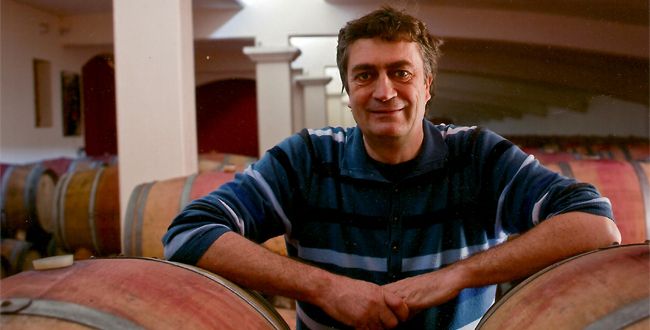
Eminent winemaker Jean-Luc Baldes is at the helm of his family winery, Clos Triguedina.

Eminent winemaker Jean-Luc Baldes is at the helm of his family winery, Clos Triguedina.

Clos Triguedina

March 22, 2019

Happy Friday to you all. Today we jaunt to the Cahors region in France, located roughly between Bordeaux and Toulouse. A winery with a rich tradition, Clos Triguedina was formed in 1830 and spans seven generations of the Baldès family. It is a domain with a rich history: one where the Pilgrims of St Jacques de Compostela would often stop to revive themselves (“Me triga de dina” means “I am longing to dine” in Occitan). Located in the the center of the Cahors region, Jean-Luc Baldes has gained an international reputation for producing top Malbec wines at Clos Triguedina. The estate comprises 65 hecatares covering 2nd, 3rd and 4th terraces. Vines are set in clay and limestone, as well as The winery produces a range of wines including their  ‘New Black Wine,’ as well as their beautifully decadent ‘Probus’, the three new Premier Crus, all offering considerable intrigue. Winemaker Jean-Luc Baldes  has been producing wine on his family property for thirty years. He and his wife, Sabine, 

Baldes has crafted a brilliant new lineup of wines. I was quite impressed with their 2012 Clos Triguedina ‘The New Black Wine’ Cahors (WWB, 90) which is quite forward with deep dark fruit flavors and shows marvelously right now. The top wine I sampled was their brilliant 2008 Clos Triguedina ‘Probus’ Cahors (WWB, 93) which is rich and layered, showing a wonderful combination of dark and blue fruit flavors. Learn more about this famed Cahors estate at https://www.jlbaldes.com/en/histoire-dune-famille Here are the beautiful new wines by Clos Triguedina. 

Clos Triguedina Logo.jpg


2013 Clos Triguedina ‘Clos Triguedina’ Cahors- Needing roughly a one hour decant to fully express itself, this starts off with a bouquet of anise, fennel, and black currant with coffee ground accents. The palate shows a good degree of freshness and energy with dark fruits connecting with lighter blueberry compote and coffee ground flavors. This is an excellent effort that will cellar well for the next decade or more. Drink 2019-2029- 91


2012 Clos Triguedina The New Black Wine’ Cahors- Showing off its dark hue, the wine opens with dark and blue fruits with light mocha and earthy tones that build on the nose. The palate has a smooth texture and ripe mouthfeel. Blackberry cobbler, dark chocolate shavings and shades of wild mushroom flavors all marvelously combine on the palate. Rich and layered, enjoy this excellent value wine in the short-term. Drink 2019-2025- 90


2008 Clos Triguedina ‘Probus’ Cahors- The ‘Probus’ Cahors is a sensational new wine that marvelously expresses the best of this grape and region. On the nose this shows a good combination of blue and dark fruits with lighter Arabica coffee bean notes that all impress. The mouthfeel is voluptuous and marvelously coats the mid-palate. Rich dark cherry, mocha, anise and creme de cassis flavors with blueberry compote all collide on the palate and connect with a sterling minerality. While delicious now, this will continue to drink well for the next fifteen years. Drink 2019-2035- 93


2013 Clos Triguedina ;Au Coin du Bois’ Cahors- Nice earthy tones fill the nose with black fruits and chocolate accents coming into play aromatically.  The palate shows good balance with dark fruits that mingle with minerals and damp earth flavors. Showing good richness and minerality, this will continue to cellar well for a decade or more. Drink 2019-2029- 91


2013 Clos Triguedina ‘Les Galets’ Cahors- The ‘Les Galets’ shows marvelous earthy tones on the nose with dark fruits and a lighter stony character that all build in the glass. The palate is linear, delivering good freshness and medium-bodied dark fruit flavors. Refined and delicious now, this will continue to cellar well for the next decade or more. Drink 2019-2032- 92


2013 Clos Triguedina ‘Petites Calles’ Cahors- The ‘Petites Calles’ shows a host of dark fruit aromas with cedar and peat moss aromas that combine with lighter citrus rind tones on the nose. The palate shows good freshness with moderate tannins. Dark fruits mingle with a good sense of minerality on the palate. The balance and poise here is seriously good in this elegant Cahors. Drink 2019-2029- 92

Comment
Chateau St. Jean famed winemaker, Margo Van Staaveren has crafted a seriously great new lineup of wines.

Chateau St. Jean famed winemaker, Margo Van Staaveren has crafted a seriously great new lineup of wines.

Chateau St. Jean

March 22, 2019

One of my favorite stops in Sonoma and truly one of the state’s most beautiful wineries, I first visited Chateau St. Jean in 2003. I was immediately overcome with the natural beauty of the surrounding area — the serene gardens that line the winery and the gorgeous deck that looks out over the valley. If you have never visited the winery, I implore you to taste these amazing wines in the relaxing setting. Founded in 1973, Chateau St. Jean has been best known for producing top Chardonnay and Cabernet. Head winemaker, Margo Van Staaveren, uses more than 30 years of vineyard and winemaking expertise with Chateau St. Jean to highlight the best of each vineyard in the wines. She is one of the top Chardonnay winemakers in the state and I sampled her 2013 Chateau St. Jean ‘Reserve’ Chardonnay (WWB, 94) for Christmas this year as the wine was a decadent and dense treat, showing marvelous tertiary notes at this stage in evolution.

Margo has made a great new Pinot Noir, her 2016 Chateau St. Jean ‘Le Seul’ Pinot Noir (WWB, 91) which has wonderful richness and a great salinity. I absolutely loved their new 2015 Chateau St. Jean ‘Cinq Cepages’ Red Wine (WWB, 94) which is one of the best Cinq Cepages wines that I have sampled in the past fifteen years. Learn more about this great winery at chateaustjean.com Here are some of the great wines that I have recently sampled from Chateau St. Jean. 


2016 Chateau St. Jean Sparkling Wine- Entirely made from Chardonnay grapes, this shows a bouquet of nutmeg and allspice with brilliant Pink Lady apple and kumquat on the nose. The palate shows sweetened apple and apricot flavors with a touch of toasted macadamia nut. Enjoy this in the short-term. Drink 2018-2022- 88


2016 Chateau St. Jean ‘Crisp’ Chardonnay- This opens with buttered brioche with hints of marzipan and lemon cream. Slightly sweet, this shows good poise with toasty oak, and lemon cream flavors. Enjoy this excellent value Chardonnay in the short-term. Drink 2019-2023- 89


2016 Chateau St. Jean ‘Creamy’ Chardonnay- The 2016 ‘Creamy’ Chardonnay opens with caramel, and Challah bread with lighter lemon zest aromas that fill the glass. A touch sweet, this shows pear and heavy whipping cream flavors. Drink 2019-2023- 87


2016 Chateau St. Jean  Chardonnay- This wine opens with nutmeg, roasted hazelnut and heavy whipping cream on the nose. The palate has a good combination of weight and balance with lemon cream, macadamia nut and a long, buttery and mineral-laced finish. Drink 2019-2024- 89


2016 Chateau St. Jean ‘Gap’s Crown’ Chardonnay- Located only a few miles from the Pacific Ocean, the Gap’s Crown Vineyard is one of the great sites in the Sonoma Coast for Chardonnay. On the nose this shows some good range from biscuit to kumquat to bright Japanese pear aromas that impress. The palate has a good combination of weight and freshness with Meyer lemon cream, hazelnut, brioche and a long, cream and mineral-driven finish that lasts for nearly a minute. Seriously good, this will have a long life in the cellar. Drink 2019-2030- 92


2016 Chateau St. Jean ‘Le Seul’ Pinot Noir- This starts off with a whiff of sea salt with red fruits and citrus rind aromas that all combine marvelously. The palate is plush unveiling guava, red currant jelly, red cherry and blood orange accents that are wrapped around toasty oak. Delicious now, this will cellar well for a decade. Drink 2019-2029- 91


2015 Chateau St. Jean ‘Reserve Eighty-Five Fifty-Five’ Red Wine- Named after the winery’s address, this wine is always a proprietary blend of wine from the estate vineyard based on what head winemaker Margo Van Stravenen deems is showing best from the vintage. This inky colored wine shows toasty oak that wraps around a good combustion of dark and blue fruits on the nose. The palate is silky smooth, revealing milk chocolate, anise, creme de cassis and blueberry compote. Rich and seductive, this is a beautiful Bordeaux style wine that will cellar well for a decade or more. Drink 2019-2033- 92

Chateau St. Jean Cinq Cepages.jpg


2015 Chateau St. Jean ‘Cinq Cepages’ Red Wine- The 2015 ‘Cinq Cepages’ by superstar winemaker Margo Van Staaveren is another stunning release from this storied estate. The wine is a silky blend of Cabernet  Sauvignon  (81%),  Merlot  (9%),  Cabernet  Franc  (4%), Malbec (4%), and Petit Verdot (2%) which were all aged in 63% new French oak for 20 months prior to bottling. The nose is simply gorgeous right now with mocha, creme de cassis, blueberry pie and hints of white pepper. The texture to this wine is absolutely outstanding as black currant jelly, milk chocolate, anise and creme de cassis flavors complete this beautiful wine. Seductive and downright delicious now, with some moderate tannins, this outstanding effort will continue to evolve well over the fifteen to twenty years. Drink 2019-2035- 94

Comment
Great photo here of one of Oregon wine’s iconic figures, Moe Momtazi.

Great photo here of one of Oregon wine’s iconic figures, Moe Momtazi.

Interview with Moe Momtazi, Owner of Momtazi Estate and Maysara Winery

March 21, 2019

One of the great faces in Oregon wine, Moe Momtazi is the visionary behind the Momtazi Estate as well as Maysara Winery. Moe first purchased his esteemed property in 1997 and built an incredible vineyard that is absolutely thriving right now. Visiting last year I was absolutely enchanted by not only the vineyard but his outstanding Maysara wines that age gracefully. As we ring in the Persian New Year, I recently had the chance to sit down with Moe, who is Iranian born and escaped Iran with his wife on motorcycles. He has a wonderful story in wine. Charming and down to earth, Moe is one of the iconic figures in Oregon wine and I hope that you enjoy this exclusive interview.


WWB: How did you decide to purchase the 500 acres of land in 1997 to start the Momtazi Estate? Were you always interested in owning a winery and vineyard?


MM: I bought our property back in 1997 as an investment, knowing that land is a precious and non-renewable resource. I have also always wanted to prove to people that there are other options in farming than the conventional way. Big businesses and agro-chemical companies claim that in order to feed the world population in this day and age, you have to use synthetic fertilizers, herbicides, and pesticides. However, there are unique methods of farming available under which healthy food can be produced. This food is nutritious and keeps the environment pure and clean without creating waste. The conventional method of farming has created big environmental and physical and mental health issues for mankind that, even if we had all the tools and resources to deal with it, would be extremely costly and take several generations to correct. 

Considering myself an environmentalist, I am frustrated that the majority of us do nothing but complain of how bad things are without having a solution for any of these issues. Only pointing out the problems in society does not help us move forward, instead it becomes overwhelming and depressing and when problems seem too large, people end up accepting the status quo. Studying history and seeking to understand why, in such a short time frame, our food chain has become so contaminated made me want to come up with solutions. I decided to pull up my sleeves and get to work. Grapevines and wine in Persian culture are considered a gift from the heavens. As a child, I followed my grandfather, who farmed holistically, and my father, who made wine for family and friends. This made it easy to turn our property in the beautiful Willamette Valley into a vineyard and winery. We produce great wine to be enjoyed by many generations to come.

WWB:: Visiting the Momtazi Vineyard last summer I was struck by the incredible heterogeneity in soils at the vineyard. Can you talk about how these complex soil types translate into different styles of Pinot Noir?


MM: We are so fortunate that we have so many soil types at our property. Soil is actually the foundation of agriculture. While the topsoil is important, the subsoil is even more important to me. Grapevines have the tendency to dig down very deep in search of water and minerality. Therefore, it’s imperative that your soil be a living soil with enough microorganisms to be able to bring all the earthly and cosmic forces together in a balanced way.

WWB: I had the change to review your beautiful 2015 Maysara ‘Immigrant’ Pinot Noir (WWB, 90) which showed good richness from this warm vintage in the Willamette Valley. Can you talk about this special wine that helps contribute to immigrant and refugee programs?     


MM: Years ago, when my wife, Flora, and I escaped from Iran on motorcycles, Flora eight months pregnant at the time, we promised ourselves: whenever we could, we’d help other immigrants in need. We made about 500 cases of Immigrant in 2015 and now a third of its proceeds go towards helping immigrants and refugees.


WWB: Your wines age gracefully as this fall I sampled your 2003 Maysara ‘Reserve’ Pinot Noir (WWB, 91) as well as the absolutely scintillating 2008 Maysara ‘Asha’ Pinot Noir (WWB, 93). What is it about not only your wine production but your vineyard site that helps create such beautiful, age-worthy wines?


MM: We try to make wines that are pure, honest, and express a sense of place without manipulating them. We let the vintage and Mother Nature express themselves. As for winemaking, we don’t adjust acidity or use any enzymes, commercial yeasts, or sugars. This method of winemaking needs a little extra time for the wine to evolve and express itself in a proper way. Our farming practices are based on the idea that everything should come from within our own ecosystem without bringing in outside input (e.g. fertilizers). We raise our own animals in the farm and collect their manure for compost. We grow a variety of medicinal and dynamic herbs and flowers that we steep into teas to keep the plants healthy so that they don’t need any harsh materials. We preserve a good portion of the farm as pastures, forest, meadows, and reservoirs and encourage wild and domesticated animals. The end results of these holistic practices are healthy grapevines and great wine that ages for many years.

WWB: When you are not enjoying your Maysara wines, what are some of your favorite wines of the world?


MM: I enjoy all sorts of wines, as long as they don’t contain too much sulfite. I have actually enjoyed wines from Georgia and Middle Eastern countries that were made by amateurs that have blown me away by how good they were.

1 Comment
Great photo here of the Upchurch family who have their beautiful boutique winery on Red Mountain.

Great photo here of the Upchurch family who have their beautiful boutique winery on Red Mountain.

Upchurch Vineyard

March 20, 2019

As part of Washington Wine Month we bring you one of the iconic figures in Washington wine, Chris Upchurch. He and his wife, Thea, are the masterminds behind Upchurch Vineyard, one of the state’s great boutique wineries located in Red Mountain. Having visited the Upchurches last summer and toured the vineyard, there is something really special about this site. The expansive views of the Columbia Valley from their estate create an incredible panoramic effect. For those who have never visited Upchurch Vineyard, I implore you to visit if nothing else for the beauty of the site.

Chris Upchurch is one of the great pioneers in Washington wine, having crafted the finest Bordeaux style white wine for DeLille, the ‘Chaleur Estate Blanc’ in the mid-1990s. This wine has achieved incredible acclaim since that time and not only is one of the great white wines made in Washington but it rivals any Bordeaux Blanc style wines made in the new world.

Chris crafts one of the great Sauvignon Blancs in Washington, his 2016 Upchurch Vineyard ‘Southwest Facing’ Sauvignon Blanc (WWB, 93) which shows marvelous texture and viscosity from this warm vintage. This wine will cellar well for a decade, picking up marvelous tertiary notes. His new release Cabernet, the 2016 Upchurch Vineyard Cabernet Sauvignon (WWB, 95) is the best wine that I have sampled so far from this estate. The wine has a seamless quality and is obviously rich but imparts an incredible feeling of elegance. This is truly one for the cellar. Learn more about this fantastic winery at https://upchurchvineyard.com Here are the beautiful new wines by Upchurch Vineyard.

2016 Upchurch Vineyard ‘Southwest Facing’ Sauvignon Blanc- The 2016 Upchurch Vineyard Sauvignon Blanc is truly one of the best of its kind in Washington. On the nose, the wine brings out an exotic edge with poached pear, apricot and lighter grassy tones. The palate has an oily texture and a wonderfully rich mouthfeel. Kumquat, cut grass, kiwi and bright Gravenstein apple flavors come to mind. Layered and downright delicious, be sure to enjoy this at a slightly warmer temperature where the wine shows its gorgeous range in its entirety. Drink 2019-2028- 93 


2016 Upchurch Vineyard ‘LTL’ Red Wine- A new wine to the Upchurch Vineyard portfolio, ‘LTL’ stands for ‘Larger Than Life.’ This forward style wine shows a beautiful nose of crushed mint, dark chocolate shavings and dark berry tones that impress. The palate shows good balance as medium bodied dark fruit flavors all come together. Up front and forward, the ‘LTL’ is drinking marvelously right now. Drink 2019-2025- 91


2016 Upchurch Vineyard ‘Counterpart’ Red Wine- A compelling blend of 65% Merlot with the remainder Cabernet Sauvignon, the ‘Counterpart’ opens with a bouquet of toasty oak with red bell pepper, red cherry preserves and shades of mocha aromas that fill the glass. Silky smooth on the mouth, the wine shows really good elegance. Black and red fruit flavors dance with a great sense of minerality. A long-ager, this will continue to evolve for the next fifteen plus years. Drink 2019-2033- 93

Upchurch Vineyard 2016 Cabernet.jpg


2016 Upchurch Vineyard Cabernet Sauvignon- The 2016 Cabernet Sauvignon by superstar winemaker Chris Upchurch is a revelation. On the nose this takes on gorgeous Cabernet character with red bell pepper, anise, brandy soaked red cherry and milk chocolate aromas that build in the glass. The texture to this wine borders ethereal. Mocha, crushed mint, blackberry cobbler and creme de cassis flavors all beautifully dance on the palate. The balance and richness is sumptuous here. Mineral-driven and rich, this gorgeous effort will cellar well for the next fifteen to twenty years. Drink 2019-2037- 95


Comment
It was a marvelous flight to Dubai flying First Class on Emirates Airlines.

It was a marvelous flight to Dubai flying First Class on Emirates Airlines.

Emirates First Class Food and Wine Review: Flight 186 Barcelona to Dubai

March 19, 2019

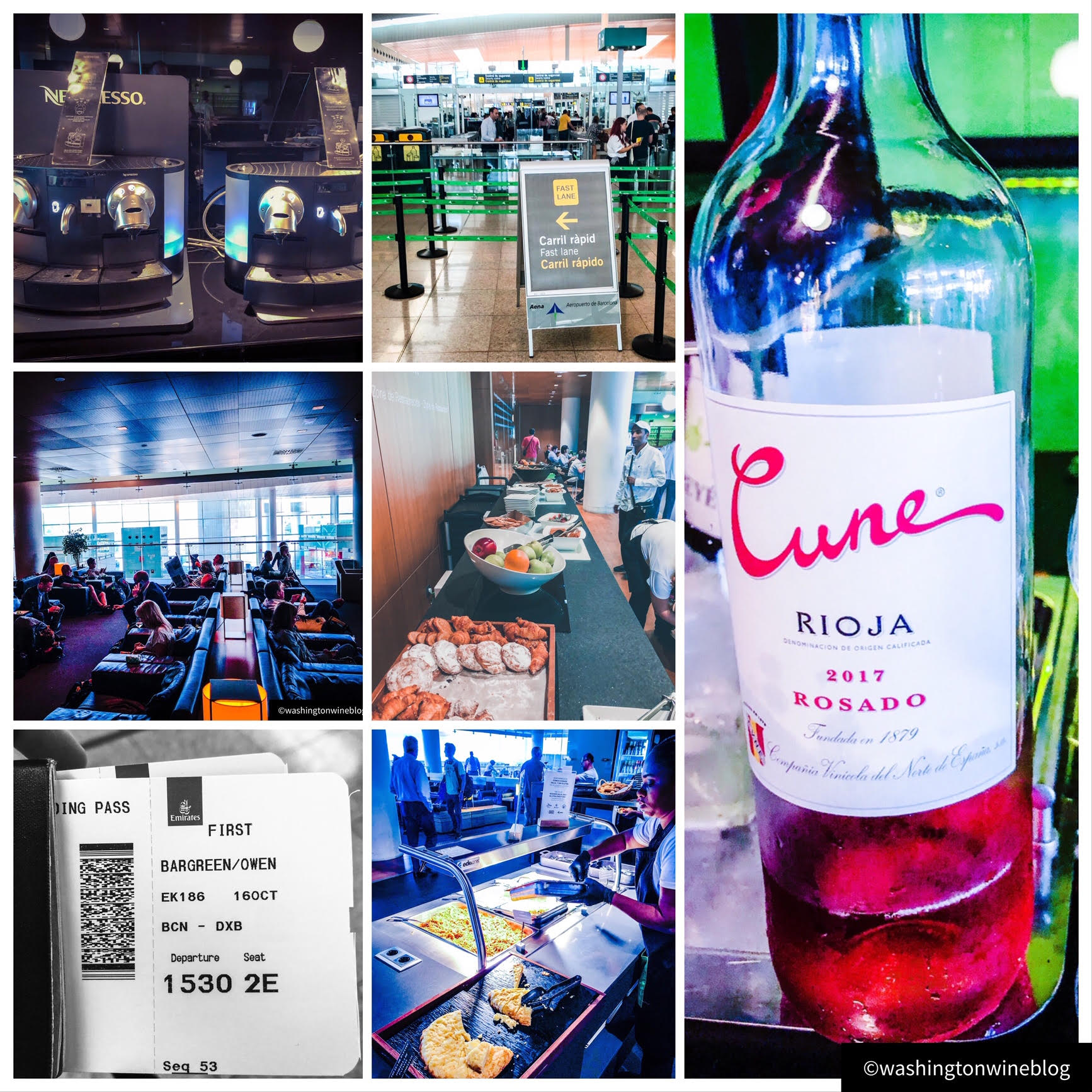
Several months in the making, I wanted to present my food and wine review of my Emirates First Class Flight which was flown from Barcelona to Dubai. I found check-in to be very fast and we were given access to fast track security which sped up the process. I imagine that fast track option saved us more than five minutes going through security. Once we were through security we had a difficult time finding our lounge, the Sala Miro lounge, shared by many other airlines.

Emirates First Class Pic 1.jpg

The lounge was a bit overcrowded but had many food items and drinks. No fine wine though. We settled for a glass of the 2017 CUNE Rose (WWB, 88) as we waited for our flight. We eagerly awaited boarding our Flight 186 to Dubai. The Nespresso machine was a nice touch as you could sample different espressos while waiting.

Emirates First Class Pic 2.jpg

The Barcelona airport had a separate boarding area for first class passengers upstairs as we had a double decker plane, the famed Airbus 380. First class was located in front of the plane and business class was in back with the bar being all the way in back. Boarding was delayed and began at 3:45 after our scheduled 3:30 departure. We were immediately greeted by their staff. Amazingly there was one other person seated in the first class cabin. I asked for a glass of Champagne and was served the N.V. Veuve Clicquot ‘Old’ Champagne (WWB, 93) made from three different decades of wine blended in. It was the perfect refreshment. They mentioned that they were not able to serve the first class drinks until the plane was airborne. I’ll readily admit that I was not impressed with our initial server’s attitude and they switched my server about one hour into the flight.

Emirates First Class Pic 3.jpg

The coffee service was the perfect pick me up, made from both ground coffee beans and middle eastern spices. It was sensationally balanced. The flight departed around 45 minutes late at 4:15. We were very excited for our dinner service, and enjoying the roughly six hour flight to Dubai. Emirates has gained an international reputation for food and wine quality in their first class cabin. Once airborne we opted for the 2009 Dom Perignon Champagne (WWB, 95) which provided an amazing lift, albeit super young. The wine shows incredible texture and viscosity and has a considerably more fresh profile with more kumquat and citrus rind than the 2006 Dom Perignon that we enjoyed while we were in Barcelona. But don’t get me wrong — the ‘09 is a true heavyhitter. The wine list was simply dazzling and I was eager sample the finest wines that I saw in the first class cabin list. The first still wine that I sampled was the stunning 2015 Chateau D’YQuem ‘Ygret’ White Wine (WWB, 97) which is a seductive blend of Sauvignon Blanc and Semillon from one of the most prestigious wineries in the world. I had only enjoyed this wine a few times in my life as it is not typically available in the Pacific Northwest. 2015 was a warm vintage in Sauternes and this shows the ripeness and intensity of this enticing vintage. The texture of the wine was downright ethereal.  Nearly as good was the the beautifully aged 2006 Michael Chapoutier ‘Ermitage Blanc de l’Oree’ Hermitage (WWB, 95) which comes from a warm vintage in the northern Rhône. I loved the silky texture and buttery, honeyed flavor of this wine. The mouthfeel was stunning, as was the near minute-long finish. 

Emirates First Class Pic 4.jpg

We began our gradual saunter onto red wines and I chose the 2006 Chateau Leoville-Poyferre (WWB, 93) which comes from a really challenging vintage in Bordeaux but the wine showed wonderful intensity and richness. I loved the chocolate undertones with this wine. Similarly, the 2008 Vega Sicilia ‘Valbuena’ Ribera Del Duero (WWB, 94) comes from difficult vintage at best but the wine displayed remarkable richness and terroir. I am always amazed how well Vega Sicilia performs in any vintage. I thoroughly enjoyed the 2004 Torres ‘Grans Muralles Conca de Barbera’ Red Wine (WWB, 94) sourced from the Catalunya region as the wine utilizes indigenous varietals that were previously thought to be extinct. This wine was insanely rich and showed wonderful intensity on the nose with beautiful blue and dark fruits with lighter chocolate undertones. This insanely good wine continued to evolve over the course of two hours, only building in viscosity and purity of fruit. 

For dessert I sampled both the 2007 Chateau Suduiraut Sauternes (WWB, 93) as well a fantastic aged port, the 1963 Graham’s Colheita Single Vintage Tawny Port (WWB, 93). The salinity in the .375 ML Sauternes bottle showed that the Suduiraut was evolving beautifully if not entirely ethereal at the moment. I have found several of these 2007 Sauternes to be slightly young even at more than a decade of age.

Emirates First Class Pic 5.jpg

The food pairings on the flight were downright amazing. One of the clear dining highlights was the pairing of the beluga caviar with canapés and the 2009 Dom Perignon. With a touch of cream, combining the salinity of the beluga caviar dish as well as the richness of this dish with the Champagne really doesn’t come any better.  Another great pairing for the Dom Perignon was the roasted salmon which showed amazing texture and richness — just like the Dom Perignon. 

For main courses the salmon worked remarkably well with the 2006 Chapoutier Hermitage as both displayed a good degree of buttery richness. The paella was soft and well-cooked as it showed good balance with the D’Yquem ‘Ygret’ White Wine. Both matched with remarkable salinity and acidity. I loved the strong fish broth character of the paella as I can imagine this was downright impossible for them to prepare a dish of this high level of culinary quality on an airline. Pairing the slow roasted beef brisket (which was a bit tough) with the 2006 Leoville Poyferre worked marvelously, as the acidity of the wine beautifully cut through the richness of the dish. I tried the beef with the 2008 Vega Sicilia as well and the 2006 Leoville P worked better due to stronger richness, texture and viscosity of the Bordeaux.  On the dessert side the decadent chocolate fondant paired perfectly with the 1963 Graham’s Colheita Single Vintage Tawny Port, adding a nutty and cartelized character to the chocolate.

Emirates First Class Pic 6.jpg

Finally, it is a rare sitting that I have the opportunity to take in the indulge in one of the premier Scotch whiskies available on the retail market, the stunning Royal Salute 21 Year Scotch. I fondly remember a night more than a year ago where I tried some of this seductive elixir with one of my close friends and was amazed by the incredible range of its aromatic and flavor profiles. Sampling a touch of this stunning scotch takes me back to this wonderful moment which was more than a year ago. Toffee, peat moss, cigar ash, caramelized melon were a few of the intoxicating delicious flavors that I can’t get enough of. We enjoyed this treat in the bar area as we slowly made our way to Dubai.

Emirates First Class Dubai Pic.jpg

It was a culinary delight flying in my First Class Emirates flight from mainland Europe to Dubai. For wine lovers, it is particularly enticing being able to sample some extremely hard to find aged bottles at twenty thousand feet. The service and attention to detail on these flights is extraordinary as this is truly a one Michelin star experience high above the clouds.

Comment
Here we have pictured, the brilliant Andy Smith, DuMOL winemaker.

Here we have pictured, the brilliant Andy Smith, DuMOL winemaker.

DuMOL

March 19, 2019

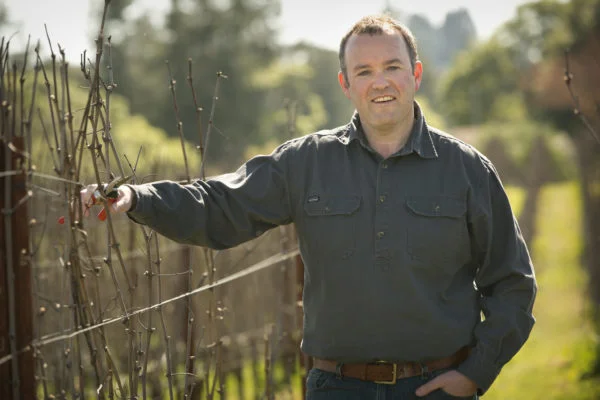
We focus today on one of the great producers of Chardonnay, Pinot Noir, Syrah and Cabernet in California. I am not going out on a limb by saying that this is an extraordinary new lineup by DuMOL. It is hard to find a winery that provides the depth of lineup that DuMol exudes. Strangely DuMOL was born in 1996 initially as a hobby for three friends as the project was not initially focused on producing world class wines. Since 1999 Andy Smith been at the helm as winemaker. Originally from Scotland, Andy has previously worked at Dry River, Littorai, Havens, Franus, to Matua and Mt Pleasant wineries. Andy went on to graduate in viticulture and enology from Lincoln University in Christchurch, NZ and later became assistant winemaker for Paul Hobbs. Needless to say, Andy Smith has a handle on every single varietal that he touches.

The current releases by DuMOL were every bit as good as they were last year — perhaps even better. For the second year in a row, I was blown away with the 2016 DuMOL ‘Clare Hyde Vineyard’ Chardonnay (WWB, 94) shows outstanding range, tension and length. This is one for the cellar. Andy Smith has crafted some stunning new Cabernets, none more so than his gorgeous 2016 DuMOL ‘Meteor Vineyard’ Cabernet Sauvignon (WWB, 95) which not only has incredible weight but shows remarkable poise from this warm vintage in the Napa Valley. massive treat that will cellar marvelously but is nearly impossible to put down right now. Learn more about this great winery at https://www.dumol.com Here are the great new releases by DuMOL. 


2016 DuMOL ‘Wild Mountainside’ Viognier- The ‘WIld Mountainside’ shows beautiful starfruit, roasted pinepple and lychee aromas that all collide in the glass. The texture here is marvelous and delightfully coats the mid-palate. Orange cream, lemon zest and bright pineapple flavors all connect in the glass. A delight to savor now, this will continue to develop for the next decade. Drink. 2019-2025- 92


2016 DuMOL ‘DuMOL Estate Vineyard’ Chardonnay- The ‘DuMol Estate Vineyard’ is a high-density vineyard located in the Sonoma Coast AVA, right near the Pacific Ocean. This wine is an exceptional bottling by the talented Andy Smith. The nose is classic Sonoma with bright pear, butterscotch and a whiff of salted praline that fills the glass. The palate is silky smooth, as the seamless texture entices. White peach, toasted brioche and vanilla creme brûlée flavors all collide on the palate. Seductive while light on its feet, this beautiful wine has a long way to go in the cellar. Drink 2019-2033- 94


2016 DuMOL ‘Charles Heintz Vineyard Isobel’ Chardonany- The ‘Isobel,’ sourced from the Charles Heintz Vineyard in the Sonoma Coast AVA, is another stunning bottling by DuMol. Set at 800 feet, the maritime influence at this great vineyard is quite striking. On the nose this takes on roasted pineapple with butterscotch and orange marmalade aromatics that are simply seductive. The palate reveals a sterling minerality with lemon zest infused creme brulee, roasted pineapple cream and Challah bread flavors all taking shape. This also has some very serious aging potential but is nearly impossible to resist right now. Drink 2019-2033- 94


2016 DuMOL ‘Hyde Vineyard’ Chardonnay- One of the great vineyards in California owned and managed by Larry Hyde, the Hyde Vineyard is located in the Carneros AVA and has a strong maritime influence with its close proximity to the San Francisco Bay. Buttercream, brioche and lemon zest aromas all fill the glass. The palate reveals serious power with a wonderful texture and viscosity. This seamless glides through the mid-palate delivering creamy and citrus rind flavors, all leading to a minute-long finish.  A complete wine, this gorgeous effort will continue to evolve over the next fifteen years. Drink 2019-2033- 95


2016 DuMOL ‘Widdoes Vineyard Ryan’ Pinot Noir- This Russian River Valley Pinot Nor shows wonderful ripeness on the nose with Bing cherry cordial, wild strawberry and cola accents that fill the glass. The palate is wonderfully rich with copious dark and red fruits with cola and orange rind tones intermingled. Downright delicious now, this beautiful wine will provide drinking enjoyment for the next decade or more. Drink 2019-2033- 94


2016 DuMOL ‘Finn’ Pinot Noir- The ‘Finn’ Pinot Noir was sourced from the DuMol Estate (60%) as well as the Occidental Road Vineyard (40%). This opens with a heady bouquet of blood orange zest, wet stone, red cherry candy and pomegranate seed with a whiff of saline infused cola. The palate shows similar brightness and salinity exposed on the nose as salted pomegranate seed and red cherry cordial flavors connect with citrus rind and wet stone character. This is highly complex and satisfying Pinot Noir that will have a long life in the cellar — but is completely irresistible right now. Drink 2019-2035- 95


2016 DuMOL ‘DuMOL Estate’ Pinot Noir- A beautiful new wine, the ‘DuMol Estate’ is one for the cellar. Lighter in color than the ‘Ryan’ bottling, this shows lighter red fruit tones with red rose water and Tangerine zest aromas that all marvelously combine once in the glass. The palate is both lithe and gratifying with good weight and balance. Red fruits dance with citrus rind tones and loads of minerals on the palate Refined and downright delicious, the ‘Finn’ will cellar well over the next ten to fifteen years. Drink 2019-2033- 94


2016 DuMOL ‘DuMOL Estate’ Syrah- this Sonoma Coast AVA wine needs an hour in the decanter to fully unwind. Once unveiled this yields complex aromas of wild thyme, salted meats, white pepper and blackberry cobbler. Medium-bodied, with a wonderful minerality, the wine shows a great salinity with citrus rind, red and dark fruits and smoked meats all impressing on the palate. Complex and delicious now, this will continue to evolve over the next fifteen years. Drink 2019-2033- 94

DUMol 2016 Syrah Eddie's Patch.jpeg


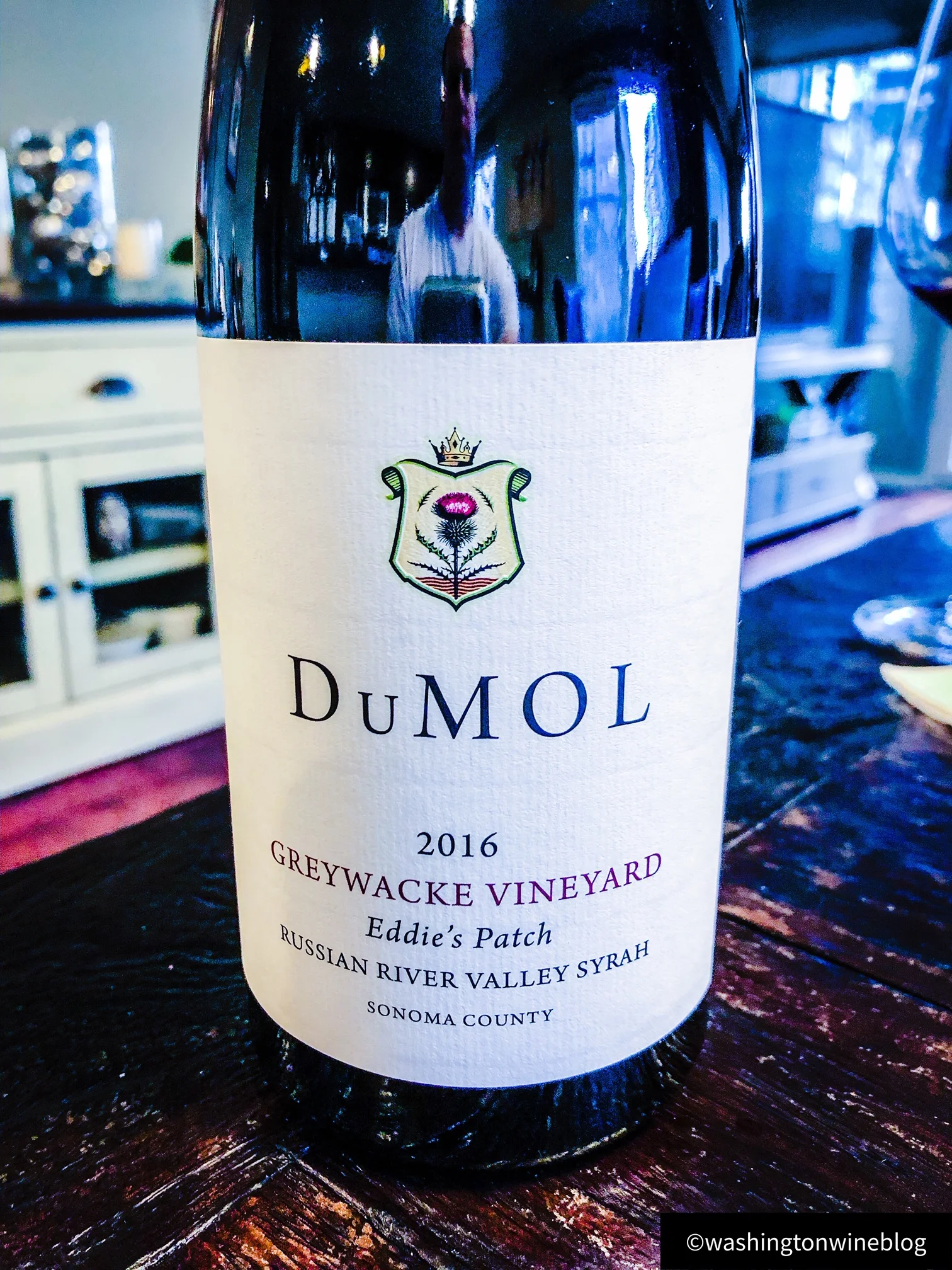
2016 DuMOL ‘Greywacke Vineyard Eddie’s Patch’ Syrah- The ‘Eddie’s Patch’ is a two-acre steep east-facing hillside parcel of vines that is set on rocky and gravel soils. rocks and gravel. A darker color than the ‘DuMol Estate’ Syrah, this shows really nice range from dark fruits to bacon fat to Umami on the nose. The palate has a good combination of weight and tension, showing downright delicious dark fruit and citrus rind flavors, with stony undertones. Lithe and delicious, this beautiful Syrah will continue to evolve well over the next fifteen plus years. Drink 2019-2033- 94


2016 DuMOl ‘Ballard Vineyard’ Cabernet Sauvignon- Located in the Spring Mountain AVA, this shows a bouquet of mocha, crushed mint and copious dark fruits that fill the nose. The palate has both great weight and balance with dark cherry cough syrup, creme de cassis, anise and red bell pepper undertones. Complex and delicious, this beautiful wine will cellar well over the next twenty years. Drink 2019-2035- 94


2016 DuMOL ‘Meteor Vineyard’ Cabernet Sauvignon- Located in the Coombsville AVA, this beautiful Cabernet Sauvignon was aged for 20 months in 55% new French oak prior to bottling. On the nose this takes on wonderful green bell pepper tones with creme de cassis and blackberry cordial aromas all marvelously combining. The palate is plush, layered and decadent. Turkish coffee, anise, creme de cassis and shades of dried herbs all marvelously combine in this complex Cabernet. Stunning now, this will continue to develop over the next twenty plus years. Drink 2019-2039- 95


2016 DuMOL ‘Montecillo Vineyard’ Cabernet Sauvignon- Superstar winemaker, Andy Smith, has crafted another stunning new wine with this new ‘Montecillo Vineyard’ Cabernet Sauvignon release. This starts off with anise, blueberry compote and blackberry pie on the nose with herbal undertones. The palate is lithe, showing a wonderful minerality. Dark fruits mingle with minerals and mocha flavors. Complex and utterly delicious now, this will cellar well for fifteen plus years. Drink 2019-2035- 94

Comment
The talented Bryan Weil oversees winemaking at Alexana.

The talented Bryan Weil oversees winemaking at Alexana.

Alexana

March 18, 2019

One of the awesome lineups for wine in the Willamette Valley, Alexana produce a range of beautiful wines — from mineral-driven Riesling to earthy Pinot Noirs. Over the years I have found that the consistency of these wines have been remarkable. Alexana was founded many years back by Dr. Madaiah Revana, a famed cardiologist. Named after Dr. Revana’s daughter,  Alexana has a stunning setting in the Red Hills AVA. The winery utilizes both gravity flow and Gold LEED certification. Bryan Weil serves as head winemaker and has greatly impressed with his solid range of new wines. Bryan previously worked at Domaine Serene before heading back to Oregon State University, where in 2008 he graduated with a degree in Enology and Viticulture. Bryan then served as assistant winemaker at Hogue Cellars in Prosser, Washington, prior to being named Alexana winemaker in in 2012.

Bryan has crafted a killer new lineup of wines. Look to his  2017 Alexana ‘Revana Vineyard’ Riesling (WWB, 92) which shows a dazzling minerality. I absolutely loved the new 2016 Alexana ‘Signature’ Pinot Noir (WWB, 94) which is jam packed with range and has a silky mouthfeel. Learn more about this outstanding Oregon winery at http://www.alexanawinery.com Here are the great new release wines by Alexana. 

Alexana Logo.png


2017 Alexana ‘Revana Vineyard’ Riesling- The 2017 ‘Revana Vineyard’ Riesling is a stunning effort from this famed Willamette Valley estate. On the nose this takes on petrol with white flower and Gravenstein apple aromatics that impress in the glass. The palate is lithe and has the lightest kiss of sweetness with beabtuiful astringency. White flower, wet stone, green apple and kumquat flavors all impress. Bright and showing wonderful energy, this will continue to evolve over the next seven plus years. Drink 2019-2026- 92


2017 Alexana ‘Terroir Series’ Pinot Gris- The ‘Terroir Series’ Pinot Gris by Alexana is an outstanding effort. On the nose this has good range from brioche to green apple to green papaya aromas. Bright, showing a great sense of minerality, the wine shows off a wonderful ripe texture. Baked apple, green papaya and a touch of nutmeg mark the palate with lighter flinty character. Enjoy this beautiful wine with fresh Kumamoto oysters. Drink 2019-2025- 92


2016 Alexana ‘Terroir Series’ Chardonnay- The 2016 ‘Terroir Series’ Chardonnay starts off with a wonderful bouquet of honeysuckle with brioche, lemon curd and bright pear that all build in the glass. The palate has a good combination of richness and verve, showing bright pear, nectarine, wet stone and lemongrass flavors. With a rich cream and mineral-driven finish, this beautiful wine has the stuffing to cellar well over the next decade. Drink 2019-2029- 92


2016 Alexana ‘Signature’ Pinot Noir- The ‘Signature’ Pinot Noir by Alexana is a barrel selection wine from the Revana Vineyard in the Dundee Hills. It is a simply marvelous wine made by Bryan Weil. Showing a deep core, this begins with dark fruits with peat moss, Mandarin orange rind and black truffle crudo aromatics that show an exotic edge. The silky texture entices as the wine reveals copious dark and red fruits with black truffle undertones. Showing a good weight and minerality, this impressive bottling will cellar well for the next decade or more. Drink 2019-2035- 94


2016 Alexana ‘Pommard’ Pinot Noir- Sourced from the Revana Vineyard, this single clone wine shows beautiful aromas of mulled cranberry cider, with cigar ash and blackberry cobbler aromas that build in the glass. The palate shows good freshness with red and dark fruits that connect with peat moss and earthy character. Showing a wonderfully soft texture and good weight, this excellent Pinot Noir has a long life ahead of it. Drink 2019-2035- 93

Comment
NFL legends Dan Marino (L) and Damon Huard (R) are the masterminds behind Passing Time winery.

NFL legends Dan Marino (L) and Damon Huard (R) are the masterminds behind Passing Time winery.

Passing Time

March 18, 2019

As part of Washington Wine Month we bring you one of the state’s outstanding wineries based in Woodinville. Passing Time, was founded by two former NFL Quarterbacks, Hall of Famer Dan Marino and Washington Husky legend, Damon Huard, with backing of Doug Donnelly, Kevin Hughes and superstar winemaker Chris Peterson. While they were in the NFL playing for the Miami Dolphins, Damon and Dan talked about someday about owning a winery together and they finally made that dream a reality. 

Through Marino and Huard would sample top wines of the world together, but they were struck with how many great wines were being made in Washington — for a highly reasonable price. They remained friends and eventually started their winery in Woodinville, with the 2012 vintage being their first wines made. Since that time they have achieved great national acclaim for their wines and I have been impressed with these wines since they were first released.

Chris Peterson is one of the great winemakers in Washington State. He was the first graduate of Walla Walla Community College’s Enology and Viticulture program and and spent eight years at DeLille training under eminent winemaker Chris Upchurch. Peterson has crafted some beautiful new wines, none more so than his 2016 Passing Time ‘Red Mountain’ Cabernet Sauvignon (WWB, 95) which marvelously personifies this region with its dense core and dark fruit profile. Learn more about these beautiful wines at http://www.passingtime.com Here is my review of the new wines by Passing Time.


2015 Passing Time ‘Horse Heaven Hills’ Cabernet Sauvignon-The 2015 'Horse Heaven Hills' Cabernet Sauvignon is an outstanding wine from this hot vintage in Washington. This gorgeous wine starts off with intense aromatics of red bell pepper, black currant jelly and blackberry jam. The palate is both lithe and rich, showcasing black tea, sagebrush and mocha flavors that sit alongside really good tension. Delicious and forward, this is an outstanding wine by Passing Time and superstar winemaker Chris Peterson. Drink 2019-2030- 94

Passing Time 2016 Red Mountain Cabernet.png


2016 Passing Time 'Red Mountain’ Cabernet Sauvignon- The 2016 ‘Red Mountain’ Cabernet Sauvignon is a stunning new wine by the talented Chris Peterson that beautifully personifies this warm vintage and hotter site. On the nose this takes on intense black fruits with sagebrush and blueberry compote playing second fiddle. The palate is dense and decadent, currently showing some moderate tannins with creme de cassis, mocha and blackberry pie flavors. The minerality and richness here is wonderful as this is a wine that will age gracefully for the next fifteen plus years. Drink 2019-2033- 95

Comment
Will Carmada has taken over the winemaking duties from his father, legendary Washington winemaker, Chris Carmada.

Will Carmada has taken over the winemaking duties from his father, legendary Washington winemaker, Chris Carmada.

Andrew Will

March 12, 2019

One of the great historic Washington houses, Andrew Will was founded by Chris Carmada back in 1989. Back then their first ‘winery’ was essentially a walkway between two adjoining roofed structures as they made wine there for the first five vintages. Chris named his winery for nephew Andrew and son Will, and the family and winery subsequently moved to Vashon Island in 1994 and has been there since. Chris started his winery by sourcing from two of the most famed vineyards in Washington, the Champoux and Ciel du Cheval Vineyards. Today they source all of their grapes from their Two Blondes Vineyard as well as those two historic vineyards. 

Beautiful views from their Two Blondes Vineyard.

Beautiful views from their Two Blondes Vineyard.

Winemaker Will Carmada was not originally interested in wine or winemaking. While he mentioned to me that he always was around wine, he did not develop an affinity for wines until he had completed his studies at the University of Washington. Will was only two years old when Andrew Will was started and he began working full time at Andrew Will in 2013. His progression into learning winemaking from his father and being involved in wine full-time was quite gradual but I am very glad that he has chosen this career path. Simply put, his wines are outstanding and it is clear that Will has an exceedingly bright future as Andrew Will winemaker.

The wines were seriously good across the board. Look to the great value 2017 Andrew Will ‘Cuvee Lucia’ Sauvignon Blanc (WWB, 92) which has marvelous weight and texture, with a good sense of minerality from this good vintage for Washington white wines. I was blown away with the new 2014 Andrew Will ‘Ciel du Cheval’ Red Wine (WWB, 94) with its beautiful texture and wonderful Right Bank feel. This is one for the cellar. Learn more about these beautiful wines at http://www.andrewwill.com Here are the brilliant new releases by Andrew Will


2017 Andrew Will ‘Cuvee Lucia’ Sauvignon Blanc-  The ‘Cuvee Lucia’ has 25% Semillon blended in. This takes on a beautiful mouthfeel with bright kiwi, cantaloupe and bright pear flavors. This seriously good Sauvignon Blanc best served slightly warmer. Drink 2019-2025- 92


2017 Involuntary Commitment ‘Columbia Valley’ Red Wine- This great wine is sourced from declassified Andrew Will sourced fruit. The wine is a Cabnernet dominant blend with Cabernet Franc and Merlot blended in. The wine starts off with aromas of black tea, dried herbs, blackberry cobbler and mocha. The wine shows dark fruit flavors with lighter coffee ground and sage flavors. Drink 2019-2025- 90


2016 Andrew Will ‘Columbia Valley’ Cabernet Sauvignon- Sourced from Two Blondes Vineyard and Champoux Vineyard, this great wine shows good range on the nose from black tea to milk chocolate to creme de cassis. The wine has a silky mouthfeel with mocha, anise, creme de cassis and black olive tapenade flavors. Decadent and elegant, this is a beautiful wine made by Will Carmada. Drink 2019-2029- 92


2013 Andrew Will ‘Ciel du Cheval’ Red Wine- This outstanding wine is a blend of 56% Merlot with the remainder Cabernet Franc. The nose is highly seductive with blackberry cobbler, blueberry compote, lavender and violets. The palate is elegant and rich, showing a gorgeous mouthfeel. Blackberry cobbler, creme de cassis, raspberry cordial and rose water with coffee ground flavors all marvelously combine on the palate. A long-ager, this brilliant wine will cellar well for the next two decades. Drink 2019-2039- 94


2013 Andrew Will ‘Sorella’ Red Wine- The ‘Sorella’ is a compelling blend of 78% Cabernet Sauvignon, 19% Merlot, 6% Cabenet Franc and 6% Petit Verdot. The nose is seriously good with mocha, creme de cassis, blueberry and black tea that all impress and build in the glass. The palate is seductive and ripe, unveiling a wonderfully rich mouthfeel.  There is a seamless quality to this wine that really shines through. This gorgeous wine will continue to develop over the next two plus decades. Drink 2020-2040- 94

Comment
It is a distinct honor to be a part of 2019 Taste Washington, serving on Sean Sullivan’s panel.

It is a distinct honor to be a part of 2019 Taste Washington, serving on Sean Sullivan’s panel.

Taste Washington Seminar Led by Sean Sullivan of Wine Enthusiast Magazine

March 6, 2019

Friends, I have the distinct honor to serve on Sean Sullivan’s panel at Taste Washington. This exciting two hour panel, named ‘White Lightning: The Electric 2017 Vintage for Washington Whites’ will be held Sunday March 31st from 10:30-12 at the Four Seasons Hotel. My co-panelists will be distinguished white wine experts who help craft some of Washington State’s best white wines, including:

James Mantone of Syncline Winery

David Rosenthal of Chateau Ste. Michelle

Chris Upchurch of Upchurch Vineyard and DeLille Cellars

2017 has been heralded as a great vintage for white wine with its moderate temperatures and long growing season. I have been impressed with what I have tasted through thusfar from that vintage. It is a great thrill for me to discuss some of the exciting white wines made in 2017, including the following:


Chateau Ste Michelle & Dr. Loosen, Eroica Riesling, Columbia Valley, 2017

DeLille Cellars, Chaleur Blanc, Columbia Valley, 2017

Lobo Hills, Sauvignon Blanc, Yakima Valley 2017

Long Shadows, Poet’s Leap Riesling, Columbia Valley, 2017

Rôtie Cellars, Southern White, Walla Walla Valley, 2017

Sightglass Cellars, Chardonnay, Conner Lee Vineyard, Columbia Valley, 2017

Syncline, Picpoul, Boushey Vineyard, Yakima Valley, 2017

WT Vintners, Grüner Veltliner, Underwood Mountain Vineyard, Columbia Gorge, 2017


I would love you all to attend this very special event, and tickets can be purchased here . It will be a really fantastic 2019 Taste Washington weekend and I am very honored to be a part of it.

Comment
The new release Target wines miss their target quality all-together.

The new release Target wines miss their target quality all-together.

Target Wines: Not Exactly A Bullseye In Quality

March 5, 2019

While Target has made a name for themselves in general retail, and they have launched their own series of wines which were released on March 3rd 2019. The new Target wines retail at $9.99 and are named ‘The Collection,’ which include a Rose, Pinot Grigio, a Chardonnay, a red blend and their Cabernet Sauvignon. Target notes that  their labels are inspired by the winemaking process as the wines are made for them by Delicato Family Vineyards. While I have never had Delicato Family Vineyards wines, after this reviewing this set of new releases I might want to stand clear.

After trying these wines I found it a bit concerning that in their news release Target note that  these are new ‘premium’ wines. None of these new wines resemble anything that would be deemed by a wine writer or wine reviewer ‘premium.’ This labeling is unfortunately deceptive to the consumer.  

The wines are sourced from a host of vintages from 2016 to 2017 and what is even more unfortunate is that we have no idea where these wines are sourced from either the wine’s label or website. Delicato’s website mentions that “The winery harvests grapes from Napa, Lodi, Monterey and Sonoma” but they do not specify where each wine is from, or the percentages from each county. I find it more alarming to the consumer based on the content on the back of each wine label which reads “The Collection combines the best of carefully harvested grapes and perfectly balanced wines, bringing together a delicate compilation of pure winemaking artistry.” Each new Target wine states exactly that. I would say that labelling these back label contentions as falsehoods would be quite generous. After sampling the wines it is very clear that each wine is nowhere near ‘perfectly balanced’ and none of the wines exude ‘pure winemaking artistry.’ 

I am very fortunate to review gobs of beautiful wines from around the world but I would say that I would be hard pressed to recommend any of these wines when you consider the bevy of really good wines available on the retail market for $9.99. The red wines, in particular, are quite saccharin-driven and devoid of actual varietal character or flavor typicity — not exactly ‘pure winemaking artistry’ as their label contends. Here are my reviews of the new Target wines, which they call The Collection.’


2017 The Collection Rose- This Rose starts off with aromas of orange zest with burnt rubber tones alongside sweetened cherry. The palate has very little to offer in terms of flavor with light rose water and red fruit tones. Enjoy this in the short-term. Drink 2019-2021- 84


2017 The Collection Pinot Grigio- This Pinot Grigio offers near to nothing on the nose with the faintest of citrus tones. The palate shows a good mineral backbone but offers very limited white grape juice flavors. Drink 2019-2021- 84


2017 The Collection Chardonnay- The nose reminds of be buttered popcorn and lighter brioche tones. While there is a mineral backing the wine has saccharin driven tree fruit flavors that come off entirely cloying. Not recommended.  Drink 2019-2021- 83


2017 The Collection Red Wine- Welches grape juice and dark berries mark the nose. The palate comes off exceedingly sweet, with very little complexity or actual flavor. Not recommended. Drink 2019-2021- 80


2016 The Collection Cabernet Sauvignon-  There is a good sense of dark fruits and chocolate that fill the nose. Quite wet upon entry, the wine shows some sweet pipe tobacco and dark fruit flavors that are out of balance with the sugary mid-palate. Not recommended. Drink 2019-2022- 83

6 Comments
Louis Skinner is the talented winemaker behind the great new lineup of Betz Family Winery wines.

Louis Skinner is the talented winemaker behind the great new lineup of Betz Family Winery wines.

Interview with Louis Skinner, Winemaker at Betz Family Winery

February 28, 2019

Firmly at the helm at storied Washington winery, Betz Family Winery, Louis Skinner has a downright awesome story in wine. Louis took time to gain interest in wine and was inspired to learn more by a friend who was an avid wine collector. Like many people in the wine industry, Louis changed careers and became all-in, learning everything he could about grapes, tasting and winemaking. A graduate of the South Seattle Community College program, Louis has trained under legendary winemakers, Chris Upchurch and Bob Betz, MW, prior to taking over for Betz at his namesake winery. Having tasted through his new lineup of wines, I have found Louis’s wines to be highly precise, showing a good degree of minerality and varietal typicity. He also makes a beautiful wine from the stony terroir of the Walla Walla Rocks AVA, as Betz now owns a vineyard there. Here is my exclusive interview with Louis Skinner, head winemaker of Betz Family Winery.


WWB: How did you decide to switch your career to wine?


LS: There was a moment where a friend of mine who originally got me into wine. We had become good friends in my 20s and our friendship actually had nothing to do with wine, we were both car enthusiasts. My friend was obsessed with wine and his house had a lot of classic Bordeaux as he had a deep wine cellar. He would always lay out some amazing glasses of wine for us to try. We did dinner about once a month for about a year. One day he put me on the spot and asked why I wasn’t drinking his wines that he poured. He mentioned that there was no reason why I shouldn’t gain an appreciation for wine of the world.

That same week on a Saturday he opened some beautiful wines for me to taste through. There were stunning wines from Bordeaux and Burgundy as well as Rhone wines and California. This tasting was an eye-opener for me,. We tasted about eight bottles of wine and the next morning I woke up thinking about these marvelous wines. I was blown away that there was so much diversity in the wines. I was quite shocked and I went to the grocery store that same day and walked around the wine aisle. 

Prior to that wine had no meaning to me. It was a drink that I would occasionally have at wedding receptions but I had no connection to wine whatsoever. I went from not even knowing about wine to becoming very interested in it. Within a month of this tasting I was going to the library and avidly reading books about wine. That learning process spiraled from there and I would become more and more inspired. My friend helped my learning as he possessed the high end collectable side of wine, even up to Domaine Romanee Conte. 

A few years later I enrolled in South Seattle Community College to start their wine program. About a week before I started I wanted to do a wine retail position as well which would help my education having the ability to taste wines on a regular basis. It was only about a week until my instructor found me a wine retail job in Redmond and I got a job on the spot right there. My four years working at the wine shop in Redmond really helped me meet people and taste the wines. I was doing a tasting group there and also was a part of a great tasting group at Wild Ginger. My world in the wine industry has grown exponentially since that point. That is the great thing about wine is it brings people together from all walks of life.


WWB: What was it like training under legendary winemaker Chris Upchurch at DeLille Cellars?


LS: It was a great experience learning under Chris Upchurch. When I look back at my time in DeLille I wouldn’t trade my time there for time anywhere else. Chris was a friend of mine when I applied for the position, because we were both fans of Burgundy and collectors of those wines. My relationship with him began before I was working for him. That was a really natural progression and by the time I was working with Chris in 2011 he knew who I was and had told me a couple of times that he would like me to work in the cellar. We had that on the horizon and the whole team at DeLille had been changed and Chris Peterson had left to start Avennia and then Jason Gorski was starting there. Everyone was new other than Chris Upchurch. Jason and I were new people at DeLille which was a great experience. I had previously worked with Bob Betz, MW, prior to coming to DeLille, as an apprentice and I knew some of the details about making wine. Bob Betz had taught me a lot, and had spent some time learning about winemaking in France in 2011, so when I was at DeLille it was almost a clean slate and I was able to take some of my knowledge and help build a program working with Jason. My job was to help run the quality control aspect as well as help with the laboratory work. I was able to help design the lab there. My relationship with Chris was about studying other wineries and how we could apply that to making wine at DeLille. This past year I had the chance to visit Chateau Latour. That was really interesting because I had seen how Chris Upchurch had modeled his winery through learning about practices at Latour. Chris seems very relaxed and as far as winemakers or people I have met, but Chris was very motivated to travel the wine world from France to Spain to Germany to Australia and visit wineries and learn about how they get from point A to point B in their winemaking process. He has learned a great deal from his vast travels to the great wine regions of the world.


WWB: What were some of the challenges with becoming head winemaker at Betz Family Family and taking over the program from someone who is such an iconic name in Washington wine?


LS: Bob works with us in a consulting role. He tastes with me and we try to create our best vineyard program and how we can improve the wines. The transition from Bob to myself has been really comfortable. I think Bob is comfortable with getting behind my ideas with winemaking, and I do a lot of tasting. Tasting for me is front and center for winemaking and developing the palate. Without tasting the wines that we idolize or love, it becomes challenging to understand what direction you want your wines to go. As a winemaker you have access to the great wines of the world. When I was working for Fine Wines in Redmond I had people who would get together and taste the great wines of the world and split the costs. To be able to taste the wines and be able to see how they contrast the other wines, I think that helps Bob feel comfortable with what we are doing with the Betz Family Wines program. That is the main driver is I want to see what the producer was doing with the style, the region and the vintage. 

If you look at the Betz program when I started in 2014 the Bordeaux wines and the Rhone wines were made in a similar way. Betz has a house style which is preservation of the fruit and a reductive handling of the grapes, a lot of oxygen usage to get richness and minimal racking to protect the wines and preserve that. Maceration is usually six or eight days and all the fruit was de-stemmed at that time. Betz had a great thing going when I started but where I push the program is having a bit more time in the skins, whole cluster fermentation on the Rhone wines and the framework behind the Betz wines is the same. We have a lot of detail and a lot of time in the vineyard.


WWB: I was enchanted by your 2016 Betz Family Wines ‘Domaine de Pierres’ Syrah (WWB, 94) which sourced from your estate vineyard in the Walla Walla Rocks region. How did you decide to purchase that vineyard? What style of wines do you craft with your ‘Domaine de Pierres’ Syrah?


LS: This was a very exciting new wine for our lineup. The first vintage from this was the 2016 vintage which you tried and that vineyard was originally called the Ancient Stones Vineyard. The vineyard was originally planted in 2006 and we bought the vineyard in late 2014 and there were some issues with the name because there were many names called ‘Old Stones’ and we decided that we didn’t want any part of a dispute over names. At the time the vineyard needed a lot of careful management and it had been about four or five seasons since someone had taken good care of it. A lot of the wires had fallen down, and even posts were dislodged so that was a challenge. Walla Walla has seen a lot of frost damage so there were a lot of freeze issues in the vineyard and there was many freeze damaged vines. There were some plantings that we wanted to change including Viognier and Malbec as well as Cabernet Sauvignon as well as Grenache which were planted. Because it is in a low spot in the valley the vineyard unfortunately wasn’t a good spot for Grenache. 

In 2015 we tore almost the entire vineyard out and left a few blocks of Syrah, roughly one acre in size. One section of the vineyard was planted to Phelps clone and the other was Tablas Creek clones. We also left a few blocks of Cabernet Sauvignon for interest but doing Cabernet in the Rocks just wasn’t our thing. Over the last few years we have been trying to plant three acres a season to Syrah. In 2018 we were able to bring online a few more blocks of Syrah so today we have 4 different blocks of Syrah, including the 2006 plantings and then also our Spring 2015 plantings. We have done some research on clonal selections and had also spoken with someone who had been working on the vineyard side with Christophe Baron.

I have done a lot of tastings from wines in the Rocks and Christophe Baron pioneered this outstanding style of wine and Matt Reynvaan also has done a lot of great things in the Walla Walla Rocks AVA. I think there are a lot of styles of wine sourced from The Rocks District AVA, all based on location. I look to our vineyard showing similar to the wines from the River Rock Vineyard, which is adjacent to us. In general, I think the early years where we harvested fruit in 2015 and experimented with whole cluster inclusion and the 2016 we were still in the learning process. We ran a number of trials with 100% whole cluster fermentation and some with 50% whole cluster fermentation. As the seasons evolved we have learned that we prefer the wine to be made undergoing 100% whole cluster fermentation. We had skin contact for about two weeks for our 2016 ‘Domaine de Pierres’ Syrah. Now we have contact for about a month. For the wine I look at it as I look at the other wines at Betz. These wines are not exactly like the wines of Cayuse, Horsepower or Reynvaan but we look at the icons in the Rhone Valley as well. I look to the wines of Cote Rotie, and the savory and textural qualities of Jamet. I would love to make that style of wine, the savory fruit profile and textural profile. 


WWB: You made some beautiful wines in 2015. What were the challenges presented for you making wine in 2015?


LS: 2015 was a challenging vintage. Everything 2013 and beyond you have had to deal with a lot of heat. 2013-2016 have all been warm vintages and that makes it harder to how we accumulate heat and dealing with the challenges throughout each vintages. I don’t mind a hot vintag. I think we have done well in these hot vintages but you have to be a bit apprehensive about making your wines to not achieve too much sugar accumulation without the phenolic ripeness. In 2015 we had to move quickly to make sure our wines were not overripe. In 2014 that was a problem as well and we started picking September 3rd and finished about a month later for the reds. In 2015  I think we picked 115 tons from 40 different blocks in about three and a half weeks. It was hard getting to the vineyard and sampling enough of these wines because everything was coming in at the same time. The pickers worked very hard because we had to get everything back to the winery. Merlot started ripening in the last week of August and everything else was ripening after that so it was a struggle with making wine that vintage and making the picking decisions. We had to figure out what varietals could have more hang time.The great challenge for us is getting the fruit off the vine quickly enough. 

Comment
Ross Cobb is the talented winemaker behind all Cobb Wines.

Ross Cobb is the talented winemaker behind all Cobb Wines.

Interview with Ross Cobb, Winemaker of Cobb Wines

February 27, 2019

One of the inspired producers of new world Pinot Noir, Ross Cobb is the talented winemaker behind his beautiful lineup of Cobb Pinot Noirs. While hardly new to the game, his wines are truly one to watch for as they show serious terroir with amazing viscosity and range. Ross is the son of David and Diane Cobb who with Ross founded Cobb back in the 2001, sourcing from their estate Coastlands Vineyard that dramatically faces the Pacific Ocean. Ross is a talented winemaker who has traveled the world to learn about winemaking and focus on crafting world class Pinot Noir. I think you will very much enjoy hearing about his story in wine. Here is my exclusive interview with Ross Cobb, winemaker at Cobb Wines.


WWB: How were you initially inspired to become a winemaker?


RC: My parents, David and Diane Cobb, bought a bare piece of land on the West Sonoma Coast in 1988 and established the 14-acre Coastlands Vineyard, including the house and infrastructure from ground up. This was at the same time I left for college at UC Santa Cruz. While there, I decided to change my major from Biology to Environmental Studies and focused on Sustainable Agriculture and Agro-ecology. My final project focused on soil science and I analyzed the Coastlands’ 1906 block of soil before planting. I started working on the vineyard each summer and after graduation I got a job in wine and worked my way up! After seven years working for three wineries, I made my first to trip to France (several regions of Burgundy and Rhone), Spain, and Portugal. This first trip inspired me to start our family wine label, which we did in 2001. I continued traveling to France, Italy, Spain, Portugal, Hungary, Switzerland, Austria, and Bulgaria, and each trip has opened my mind to different techniques in viticulture and helped me define my own personal style of winemaking.

 WWB: How are you able to extract the incredible sense of salinity and minerality into your beautiful Pinot Noir wines?


RC: The vineyards of Coastlands, Emmaline Ann, and Rice-Spivak form the winery’s core production, and all fall within an unofficial subregion of the western Sonoma Coast known as Freestone-Occidental. Yields hover between 1.5- and 2-tons per acre. The coastal proximity is responsible for the fine-grained salinity, giving these wines a soft, supple spine with a weightless, cleansing lift. 


WWB: Your 2016 Cobb ‘Rice-Spivak’ Pinot Noir (WWB, 95) is one of the most impressive Pinots out of California that I have sampled in the past year. Can you talk about how you craft this stunning new wine that screams terroir and shows insanely good range?


RC: The goal at Cobb is to produce delicate and pretty wines that retain structure. Approximately 40% whole-cluster fermentation is used, and the wines are aged anywhere from 22-34 months in the barrel, the first year on gross lees, the second on fine lees. Around 35% of the François Frères and Remond barrels are new, and the bottled wines are held for two to four years before release. The Rice-Spivak grapes are particularly complex due to the cold winds blowing in from Tomales Bay and Bodega Bay to the west. The 300-foot elevation rolling hills are composed of Goldridge series soil, but have a significant amount of organic matter and there is a volcanic ash character unique to the soil at Rice-Spivak, which marks the wine with a flint note and richness on the palate.


WWB: What are some of your favorite wines of the world and how do you think that Sonoma Coast Pinot has been evolving over the past decade? 


RC: Having one of the first West Sonoma Coast Pinot Vineyards in the family, we were pioneers on this journey. I worked with Williams Selyem from 1998-2000, Flowers from 2000-2008, and Hirsch from 2009-2015, solidifying my understanding of the Sonoma Coast and its potential in the wine world. California Pinot Noir is never going to be Burgundy, and vice-versa, but there’s room for both. As Burgundy Pinot prices go through the roof, other markets, like ours, are expanding. What were once considered ‘alternatives’ to Burgundy are now established and earning acclaim of their own. It was made abundantly clear to me that it’s possible to grow and produce Pinot Noir without any comparison to Burgundy in Sonoma and I think it is only going to get better. My favorite wine from the west Sonoma coast is Ted Lemon’s Littorai and the Burgundy Pinots that inspired me are still among my favorites as well: Bruno Clair, Francoise and Rene Leclerc, Silvain Pataille, Mugneret-Gibourg, and Marchand-Tawse in Cote de Nuits.

Comment
The many great faces of the Walla Walla Wine Alliance.

The many great faces of the Walla Walla Wine Alliance.

Walla Walla Wine Alliance Event in Seattle

February 26, 2019

Friends,

Yesterday the Walla Walla Wine Alliance hosted their Annual Seattle event at McCaw Hall in downtown Seattle. It was a marvelous event, filled with some of the great wine talents in Washington State. I hosted a panel discussion about Walla Walla wine prior to the trade and media portion of the event. It was another glorious time, tasing some of the finest wines Washington has to offer. Here are a few photo highlights of this fantastic event. Cheers!

Comment
Katy Wilson is the talented winemaker behind her beautiful new LaRue Sonoma Coast Pinot Noirs.

Katy Wilson is the talented winemaker behind her beautiful new LaRue Sonoma Coast Pinot Noirs.

Interview with Katy Wilson, Founder and Winemaker of LaRue Wines

February 21, 2019

One of the great young talents in Sonoma, Katy Wilson is the mastermind behind LaRue Wines, makers of outstanding and terroir-driven Pinot Noirs. Her wines have the beautiful salinity that you expect from the Sonoma Coast AVA. Katy has traveled the globe to learn about wines with previous stints in both Australia and New Zealand before coming to Sonoma. She is as enchanted with the ocean influence in these wines as I am. I think you will very much enjoy hearing her story in wine. Here is my exclusive interview with Katy Wilson, founder and winemaker of LaRue WInes. 


WWB: Who were your initial inspirations in wine?


KW: My path to wine was not your average story. I grew up on a walnut orchard and had a tremendous interest in agriculture. It was through agriculture that I became interested in wine and inspired to become a winemaker. To me, growing grapes and making wine is unlike any other area of agriculture. I continue to be amazed with how every year and every wine is unique and that there is always something new to learn.


WWB: How did you decide to make wine sourced from the Sonoma Coast AVA? 


KW: I spent time making wine in Napa, Australia and New Zealand before I landed on the Sonoma Coast. The Sonoma Coast is such a great area for producing Pinot Noir and Chardonnay, and this area in particular really suits my signature style of winemaking, which lends itself to a largely hands-off approach. All of the vineyards that I work with are within about seven miles from the Pacific Ocean, and you certainly get the ocean influence in these vineyards and in my wines. We constantly have fog rolling in and out of the vineyards, which allows for slower ripening and also allows the grapes to better retain acid through the ripening. The result is bright and crisp wines with great aroma and freshness.


WWB: Can you talk about some of the challenges with being a business owner as well as a winemaker? 


KW: I think that one of my biggest challenges is balancing my time. Along with owning and making LaRue Wines, I also make wine for Anaba Wines, Claypool Cellars, Reeve Wines, and Smith Story Wine Cellars. It’s a constant juggling act that definitely keeps me on my toes! And I wouldn’t have it any other way.


WWB: Your 2015 LaRue ‘Sonoma Coast’ Pinot Noir (WWB, 92) shows tremendous range and poise from this warm vintage in Sonoma. Can you talk about how you craft this outstanding Pinot Noir? 


KW: The 2015 harvest was a very early one. I picked my first vineyard on August 20th and my last vineyard on September 3rd. This was also a vintage with very high acidity and I was able to pick at low brix. This wine is a blend of the Thorn Ridge Vineyard and the Rice-Spivak Vineyard and it is also a mix of different clones from these vineyards. I think that the complexity of the vineyards and clones gives layers to this wine. I also age this wine for 20 months in barrel, which allows the oak to better integrate and become seamless with the wine. My aim is to take what each year gives me and try to do my best to showcase the vineyard and the vintage.


WWB: When you are not enjoying wines from the Sonoma Coast AVA, what are some of your favorite wines of the world?


KW: I love Champagne! I guess who doesn’t, right? I also love exploring Burgundy and Chablis when I am able. I guess it’s apparent that my palate favors Pinot Noir and Chardonnay! I think that it is so interesting how every region and every wine has such a different expression and as a winemaker, I’m an eternal student of thevine. I love trying as many wines, styles and regions as is possible!

Comment
Charlie Wagner Sr. founded Caymus Vineyards back in 1972 and has incredible success with his Cabernet Sauvignon wines since that time.

Charlie Wagner Sr. founded Caymus Vineyards back in 1972 and has incredible success with his Cabernet Sauvignon wines since that time.

Caymus Cabernet Sauvignon

February 20, 2019

One of the iconic wineries in California, Caymus built a name for themselves by crafting some stunning Cabernet wines for decades. While some might say that Caymus Cabernet has taken a step back in quality, as their hedonistic style of wine is might not be loved by all, I can frankly respond that this writer is absolutely enchanted by these recent set of releases. Their new Cabernet bottling show not only gobs of fruit but an incredible minerality that accompanies the mid-palate richness. That combination of fruit weight and tension in the wine really excites me.

Back in 1972, Chuck Wagner started Caymus Vineyards with his parents, Charlie and Lorna, and created incredible success with their wines. Caymus Cabernet is sourced from 8 of Napa Valley's 16 appellations and the Caymus ‘Special Selection’ is the only wine in the world to be honored twice as Wine Spectator magazine's “Wine of the Year” for the 1984 and 1990 vintages.

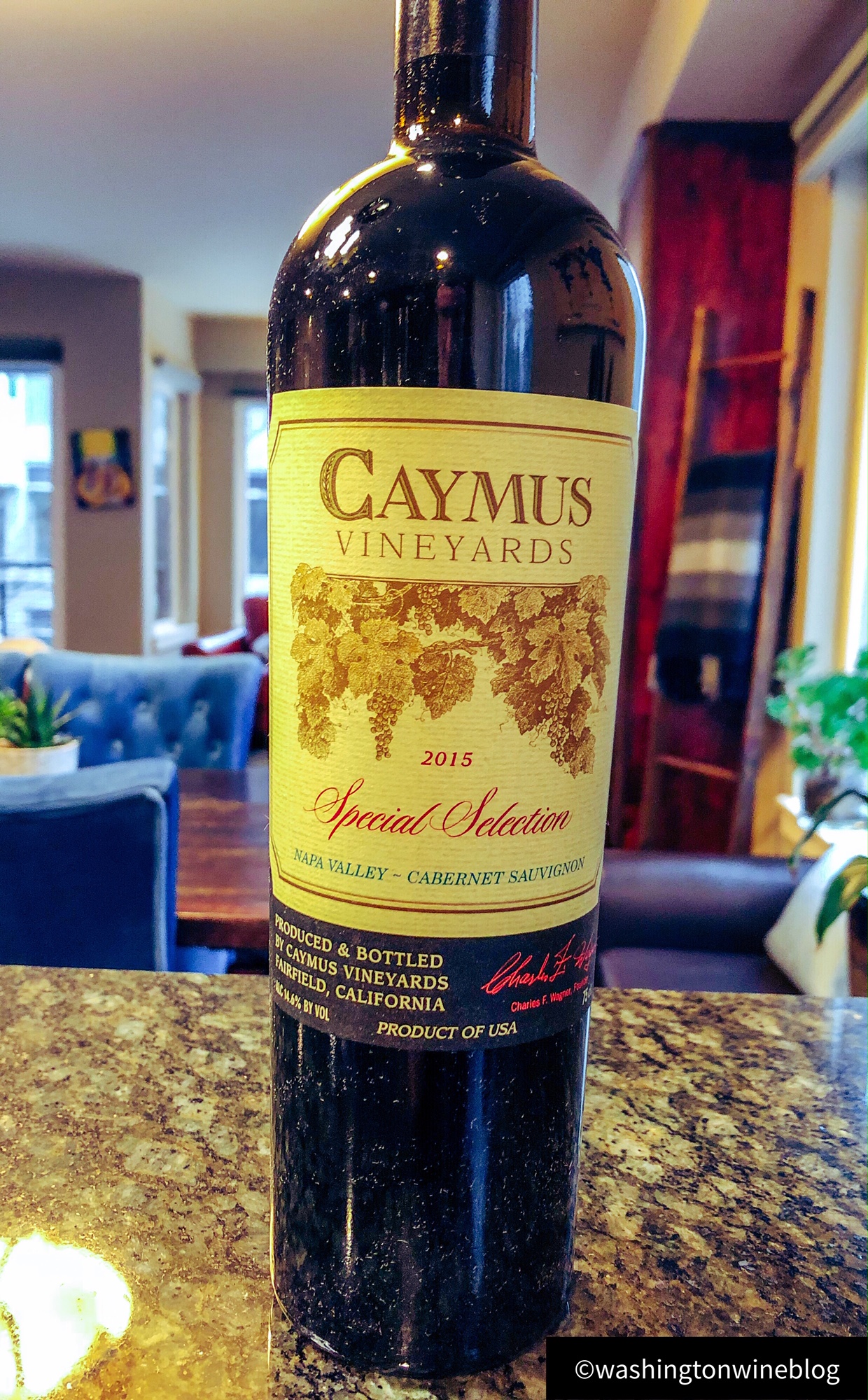
Caymus and their Wagner Family of Wines produces everything from Chardonnay to Sauvignon Blanc to even a pretty killer Rose. For those who do not enjoy huge extraction in their wines, kindly glance away. Like last years release, the 2016 Caymus Cabernet Sauvignon (WWB, 94) shows amazing intensity on the mid-palate with a gorgeous finish. Even better is the new 2015 Caymus ‘Special Selection’ Cabernet Sauvignon (WWB, 97) which is one of the great Napa wines I have sampled in the past year. This seductive new wine exudes class, with serious range on the mid-palate that combines with the glorious fruit weight and minerality. This massive wine really needs at least another year in the cellar to fully sing its high C. Learn more about these outstanding new wines at https://www.caymus.com Here are the beautiful new release wines by Caymus Vineyards.


2016 Emmolo Merlot- Entirely sourced from the Napa Valley, and weighing in at 15.2% alcohol, the wine starts off with baking spice, blackberry cobbler and mocha aromas that fill the glass. The palate is silky, revealing a beautiful texture as the wine glides across the mid-palate. Mocha, chocolate covered dark cherry and cassis flavors all combine marvelously in the glass. Ripe and generous, this delicious wine will continue to drink well over the next decade. Drink 2019-2029- 92


2016 Caymus Cabernet Sauvignon- The 2016 Caymus Napa Valley Cabernet Sauvignon is sourced from eight separate districts across the Napa Valley. Inky in color, this begins with alluring aromatics of ripe dark fruits and wild blackberry cordial along with roasted figs and milk chocolate which continue to bring you back to the glass. On the palate this possesses a wonderful opulent mouthfeel as well as a seamless quality that makes this nearly impossible to resist. Flavors of crème de cassis, mocha, tar, graphite and blackberry jam continue to build on the palate and expand through the long finish. A stunning wine, with outstanding weight and poise, this will cellar marvelously for the next fifteen plus years. Drink 2019-2033- 94

Caymus Special Selection 2015.JPEG


2015 Caymus ‘Special Selection’ Cabernet Sauvignon- The 2015 Caymus ‘Special Selection’ Cabernet Sauvignon is an epic follow-up to the exceedingly good 2014 edition of this wine. The wine shows considerably better following a two hour decant. An inky, glass-staining purple color with a core resembling a black hole, this massive wine begins with aromas reminiscent of creme de cassis, dark chocolate shavings, graphite, blueberry compote and licorice candy. The fruit weight that engulfs the mid-palate exudes decadence. Mouth-watering acidity alongside black tea, Black Forest Cake and creme de cassis flavors with lighter earthy undertones all entice the senses on the palate. While obviously not for the weary, this gorgeous wine is impossible to resist now and will provide drinking enjoyment over the next two decades. Drink 2020-2040- 97


Comment
The talented Katie Nelson was named Columbia Crest head winemaker in summer 2018.

The talented Katie Nelson was named Columbia Crest head winemaker in summer 2018.

Columbia Crest

February 19, 2019

One of the outstanding value Washington producers, Columbia Crest is the only Washington winery to have their wine appear at #1 on the Wine Spectator Top 100 list. That pedigree is shown in their lineup of not only good value wines but their higher tier wines as well. Founded in 1982, Columbia Crest is one of the longer-serving Washington wineries as their first wine release was back in 1987. Juan Munoz-Oca has presided over these wines since 2011 and has done a really fantastic job after taking over from eminent Washington winemaker, Ray Einberger. This past summer Katie Nelson was named new Columbia Crest winemaker and brings her talents to the forefront, previously serving as assistant winemaker for K VIntners. I am very excited to see Katie’s influence on this great program.

The new wines were all sourced from warm vintages. I was blown away with the value of the 2016 Columbia Crest ‘H3’ Sauvignon Blanc (WWB, 90) which is one of the great value wines that I have seen from this hot vintage in Washington. The wine shows good opulence and acidity with bright pear and kumquat flavors. The best wine I tried was one that had some age, their later release 2014 Columbia Crest ‘Private Reserve’ Red Wine (WWB, 93) which has tremendous length, richness and a Bordelaise feel. This beautiful wine is one for the cellar. Learn more about these outstanding values at columbiacrest.com Here are some of the great new wines by Columbia Crest.


2016 Columbia Crest ‘H3’ Sauvignon Blanc- The 2016 Columbia Crest ‘H3’ Sauvignon Blanc is a superb value from this great producer. The nose shows good richness with ripe apple, pear and melon aromas. The palate shows good weight with kumquat and bright pear, finishing strong with minerals. Drink 2018-2024- 90


2016 Columbia Crest ‘Grand Estates’ Syrah- The 2016 Columbia Crest ‘Grand Estates’ Syrah is another good value from this winery. The nose shows toasty oak with dark fruits. The palate shows good mid-palate richness with black and blue fruits with milk chocolate that come off slightly sweet. Drink 2018-2022- 89


2016 Columbia Crest ‘Grand Estates’ Cabernet Sauvignon- The 2016 ‘Grand Estates’ Cabernet Sauvignon is a fantastic value. The nose shows dark fruits and chocolate with red bell pepper on the nose. The palate shows a good combination of freshness and richness with good acidity. Black and blue fruits dominate with a touch of chocolate. Drink 2018-2024- 90

Columbia Crest 2014 Walter Clore Reserve.png


2014 Columbia Crest ‘Private Reserve’ Red Wine- This compelling wine is a blend of 46% Cabernet sauvignon, 36% Merlot, 10% Cabernet Franc and 8% Malbec. The nose shows toasty oak that wraps around blackberry pie, blueberry compote and mocha. The palate is plush and shows good minerality with black tea, Asian spice, sandalwood, mocha and anise. I love the sense of balance here. Lightly tannic, this outstanding wine will cellar well for a decade or more. Drink 2018-2030- 93


2015 Columbia Crest ‘Reserve’ Cabernet Sauvignon- Sourced from the Columbia Valley, the 2015 Columbia Crest ‘Reserve’ Cabernet Sauvignon was aged for 25 months in French oak prior to bottling. Crushed mint, creme de cassis, Turkish coffee and blackberry pie aromas impress. The palate shows a good combination of richness and tension. Mocha, anise, blueberry cobbler and sagebrush flavors all nicely amalgamate in the glass. Seductive and rich, enjoy this over the next decade. Drink 2018-20280- 92

Comment
Great photo here of Tresider Burns, new White Rose Estate winemaker.

Great photo here of Tresider Burns, new White Rose Estate winemaker.

Interview with Tresider Burns, New White Rose Estate Winemaker

February 18, 2019

Oregon native Tresider Burns may be taking over some big shoes at White Rose but he enters this new position with a very strong pedigree. Formerly in the technology industry, Tresider has been serving as assistant winemaker at Brittan Vineyards, helping craft what I consider to be some of the most influential North American Pinot Noirs. Tresider also worked at Lemelson and has a passion for making world class Pinot Noir. I am very excited to see his influence in the glass at White Rose. Here is my interview with Tresider Burns, new White Rose winemaker. 


WWB: What was it like growing up in Oregon and experiencing the incredible influence that Oregon wine has had in the region. You spent a considerable amount of time in the technology industry before starting your winemaking career. How did you first become interested in being a winemaker?


TB:  I grew up just early enough, and in just enough of an isolated place (Gold Beach for most of my childhood), that my early memories of my parents enjoying wine are from their trips to Napa and Sonoma.  It was through them that I learned the importance of enjoying good wine with good food.  I remember wooden boxes stashed away after their trips to California.  There was a signed case of Pat Paulsen Cabernet that was a particularly prized possession.   We moved north to Newport when I was in high school and I spent a good chunk of that time in Yamhill County.  I remember Oregon wine being something that intrigued them but it wasn't yet on my radar.  During college, I noticed a few wineries popping up around Charlottesville but again, I was one step ahead of wine, and left before that wine scene took off.


It wasn't until I moved to San Francisco that I really started appreciating wine.  I credit an old roommate who introduced me to a number of French wines and turned me on to the history of wine.  Many great trips to Napa, Sonoma and Anderson valleys soon followed.  After ten years working in technology, I wanted to create something more tangible than the short-lived websites I'd been building.  Wine attracted me because it was something I could share with friends and family and it creates a legacy, many of these bottles will be around long after we're gone and I hope folks think about the winemakers of the past when they open old bottles.  I know I do.


I was away from Oregon for fifteen years.  It took me some time to reacclimate as an Oregonian but I feel like I'm back home.  After fifteen years away, it turns out what I really learned is that Oregon is an incredibly unique and special place.  What an incredible honor to be part of that.


WWB: Can you talk about your experience working at Lemelson Vineyards following your enology studies at Oregon State University?:


TB: I could not have asked for a better experience after grad school than the four years I spent working with Anthony King at Lemelson.  Anthony is an incredibly thoughtful, detail-oriented winemaker.  He doesn't use any tricks or fancy products, he just pays attention every second that wine is under his purview.  He's one of the best natural winemakers in the country although I bet few people know that because they see a UC Davis trained winemaker building incredibly sound wines and just assume they aren't natural.  Anthony taught me never to settle, to always keep improving.  He's the Jiro Ono of the wine world as I'm sure he'll never be completely happy with a wine he's made.  But damn, they keep getting better year after year.  

I credit Anthony with also providing a solid education in the vineyard.  He tasked the production crew with crop estimating and drought monitoring.  It got us out in the field for a big chunk of the summer and was a great study in organic grape growing.


WWB: How die you decide to come to Brittan Vineyards? What has it been like working under legendary winemaker, Robert Brittan and producing some incredible terroir-driven and stony Pinot Noir?


TB: After leaving Lemelson, it was important to me to spend more time with a mentor. I didn't want to jump into a head winemaking role until I was truly ready.  Robert Brittan was a natural choice, I knew Robert and I knew his high standards.  He's also a UC Davis educated winemaker who got his start in California wine country just like Anthony.  I guess I have a type. 

The Brittan site is truly amazing.  Everything is turned up to 11 in those wines.  More phenolics, acid and pigmentation than any other wines in the valley.  What a cool challenge as a winemaker to create wines under those conditions.  When we nailed it, those wines were the most layered and intriguing wines in the Willamette Valley. Robert has been making wine for over forty years but he's still learning, still challenging his assumptions.  Every year we spent days strategizing about the upcoming harvest.  We looked at experiments from the previous harvest, the ferments we nailed and the ones we felt were disappointments.  The mantra was constant improvement.  I think that's a theme, the best winemakers never settle.  Robert's a perfect example and his wines demonstrate that pursuit.


WWB: What are some of the biggest challenges that you face taking over the winemaking at White Rose Estate?


TB: I’m incredibly excited for the opportunity to make wine at White Rose.  It's unfortunate it happened under such tragic circumstances.  I do believe that wine is legacy and my job will be to respect Jesus' legacy.  I plan to continue the winemaking in his style and make sure his last vintage makes it safely to bottle.  He and Greg Sanders built a wonderful brand with a reputation for quality, why would I change that?  I also love whole cluster winemaking.  It's probably the most challenging way to create beautiful Pinot noir but when it works, it's transcendent.  Jesus' wine knowledge came through practical application, learning in the winery.  I look forward to adding a scientific eye toward whole cluster winemaking. 


Another big challenge is simply the fact that it's a new site for me.  I know it's a great piece of ground but I'll need time to learn its idiosyncrasies and how to coax out its personality in the fermenter.  That's always a daunting task the first time you tackle a vineyard.  Greg's been working the site for twenty years so I'm sure we'll be able to make that happen together.


WWB: What are some of your favorite Oregon wines and vintages and why?

TB: During the 2017 harvest, a friend visited from California.  We met up at Thistle and I brought along a bottle of 2010 Lemelson Chestnut Hill Vineyard Pinot for the dinner.  The wine was so beautiful but I found myself mourning and thinking, "we'll never get vintages like this again."  I love the cool vintages.  If I see 2007, 2010 or 2011 on a bottle of Oregon wine, I get excited.  Those vintages took great skill in the vineyard and the winery.  We're on such a streak of warm vintages I miss that lighter, tension-driven old school style.  My research at Oregon State focused on improving color in Pinot noir but we haven't had to worry about that for years.  Warm vintages are almost too easy.  Long picking windows, wearing shorts and t-shirts in the winery, no disease pressure.  The cool years are a bear to work.  Freezing temperatures, a desperate race to achieve some sort of maturity, fighting botrytis.  I guess in a way, the struggle is directly proportional to my later enjoyment of the wine.


I get excited opening bottles of Cristom, Bethel Heights and Eyrie. I drool over Chardonnay from Seven Springs, Hyland and Fairsing.  Grant Coulter is doing amazing things with whole cluster.  It's such an exciting time for Oregon wine.  The quality level across the industry is incredible.  White Rose attracted me because it's always been in the upper echelon.  I look forward to continuing that tradition.


Comment
A few photo highlights of many of what was a beautiful 2019 WWB Critic’s Choice of Washington event.

A few photo highlights of many of what was a beautiful 2019 WWB Critic’s Choice of Washington event.

2019 Washington Wine Blog Critic’s Choice of Washington

February 18, 2019

As we bid adieu to our 2nd Annual Washington Wine Blog Critic’s Choice of Washington event, we wanted to give our greatest gratitude for the amazing wineries that shared their beautiful wines with our guests. A special shout-out goes to our out of town guests, who traveled cross-country and even out of country to join us. It was a magical evening at the Columbia Tower Club and we will look forward to seeing you all next year!

Comment
Ashley Trout is the talented mastermind behind Vital Wines and Brook & Bull.

Ashley Trout is the talented mastermind behind Vital Wines and Brook & Bull.

Interview with Ashley Trout, owner/winemaker of Vital Wines and Brook & Bull

February 14, 2019

Happy Valentine’s Day to you all! One of the exciting young winemakers in Washington, Ashley Trout is the talented mastermind behind new winery projects Vital Wines and Brook & Bull. A fellow Whitman College graduate, Ashley Trout got her start at Reininger Winery learning under legendary winemaker Chuck Reininger. In 2018 she was named by Wine Enthusiast as one of ‘the top 40 under 40 tastemakers.’ I recently had the chance to review her new wines from Vital Wines and Brook & Bull which were all excellent. Wait until you try her beautiful new 2018 Vital Wines Rose (WWB, 90), only $19.00 retail. I really think you will enjoy hearing more about her story. Here is my interview with Ashley Trout, winemaker/owner of Brook & Bull and Vital Wines. 


WWB: Can you talk about your background in winemaking? How did you initially become inspired to become a winemaker?  


AT: I started working in the Washington wine industry in 1999.  I was 18 and I seized the opportunity to do the nighttime punchdowns at Reininger Winery.  I'm from Washington DC, and working in wine seemed like, not a real job.  So I figured age 18 was my only chance and then I'd grow up and get a big girl job after college.  That never happened.  I got sucked in.  I've never looked back.  I worked at Reininger for 8 years, but my fifth year was my "aha moment."  I had a bad climbing accident and broke myself enough to where I couldn't work harvest that year and it seemed really inappropriate.  I felt like I was missing part of who I was.  That's when I realized this wasn't just a thing that I liked to do, but that I loved doing it, it was who I was already and that reality had snuck up on me at some point over those 5 years.  I was never inspired to become a winemaker.  I just couldn't stop myself.  A lot of it was right place, right time, (right people- thank you Chuck).  I was inspired, after 5 years, to never get a job that wasn't winemaking. 


WWB: What are some of the challenges with being married to another talented winemaker, Brian Rudin. How does your winemaking style differ from Brian’s? Do you both ever combine your winemaking talents?


AT: Brian is indeed, a whole lot of talent.  I'll tell him you said so. Our busy season is the same, our slow season is the same.  It means that we use a lot of babysitters (fall, spring) and then travel together a lot (winter, summer).  Our kids learned early on to roll with the punches, the many, many punches.  It's chaotic in our house.  Where we run into direct competition isn't the wine- you try to make the best wines you can for your own palate and it's that simple.  Hopefully people feel the same and buy those wines.  We land in competition with each other with the kind of stuff you wouldn't think about- occasional vineyard sourcing, right now we're trying to hire staff for a similar position and we were looking at some of the same people.  In those circumstances, chronology and pricing play a role and you leave it on the playing field because our marriage is more important and because it's an amusing predicament and even we can recognize that.

 Our styles are different.  I'm going to keep this answer short. The more you write about someone else's artwork, the more likely you are to say something you think is a compliment that someone absorbs differently.  Every artist aims for something in their head and whenever you try to put that into words, you’ve failed by the mere act of translation. He likes having something plush to reign in and balance while I like starting with a more reigned in wine and doing the opposite, releasing its extremities.  I like geeking out on rosé while he likes geeking out on Riesling.  We're different. I'm better.  Just kidding!  No, he's phenomenal at what he does.   We touch base all of the time on what the other thinks about a wine, a place, a cooper, you name it.  


We're better not working together.  We learned that when we were dating.  That didn't take long to learn... I know how to run my show and he knows how to run his = two chefs in the kitchen.  Having said that, Brian has helped make Vital happen in a lot of ways, and for that I'm so thankful.  If you look closely on our donor's page on Vital, I give him a shout out as I think the "Rudin Global Trucking Co." but he's done much more than just haul fruit.  He's helped secure some of our best donated fruit, barrels, you name it.    


WWB: You are a fellow Whitman College alumnus (I am quite a bit older than you, lets just say that!) who majored in Anthropology while at Whitman and has since been involved in the wine industry for the past fifteen plus years. How did you decide to start Vital Wines. Can you talk about this special nonprofit winery?


AT: Vital had been stuck in my head for about a decade before I had the nerve (Rolodex) to pul it off.  Vital is a non-profit winery whose mission is to improve the healthcare for vineyard and winery workers in the Walla Walla Valley.  All profits go to the SOS Clinic (www.soshealthservices.org).  We get practically everything donated- grapes, labels, corks, capsules, screwcaps, shipping supplies, some bottles, lab work, graphic design, tasting room staff, winemaking, barrels, a lot of harvest supplies, it's pretty amazing. The whole valley is in on it.  


WWB: You have already produced a killer 2018 Rose for Vital Wines (WWB, 90). What was your winemaking approach to this beautifully textured and layered Rose that is priced at a mere $18 and will be featured on my upcoming Pacific Northwest Rose Report?


AT: Hah.  Rosé is my full geek fest these days.  Because rosé is usually at a low price point, people think it is easy to make.  It's one of the hardest wines to make well.  It has to be heat stable or it'll go cloudy.  It has to be cold stable or it'll throw potassium bitartrate crystals.  It has to have acid or it'll be a flabby rose, which is super depressing to drink.  With red wine, you have a lot more wiggle room to do any of those.  Red wine is opaque, so it doesn't matter if it is cloudy.  If you see crystals in red wine, you assume it is a really high end, unfined, unfiltered wine.  You don't come to that conclusion with a rosé.  Rose is like a short story- every piece counts more because there are fewer moving parts and you have less time in the cellar before bottling.  You have no oak to play with, no tannins, no extended macerations, and the color has to be perfect because everyone has a magnifying glass on that color.  When you water a troubled plant, it doesn't perk back up the minute you water it.  When you make movements with any wine, you need another bit of time before those efforts come to fruition.  With rosé, you have to stay really on top of it because you don't have that time.  Rose gets bottled much earlier than reds or whites.  You have to nail every movement and if you don't, its obvious.  

That's my rant.  We make our rosé for rosé, which is to say we don't saignee.  We pick for rose, really early so it has lots of acid.  We go straight to press and make sure to use varieties that will give us enough color without maceration, and we aim for a salmon hue. Malbec makes everything blue which translates as Kmart pink in rose.  We use neutral oak to help get us heat stability so we don't have to fine it with anything.  With rosé, the key is always an ounce of prevention.  And then we cold stabilize it by getting it really cold and letting gravity do our work for us.  It's harder than it sounds.  And really fun.


WWB: What are some of your favorite Washington wines and producers? What are some of your favorite wines of the world?


AT: Canvasback. I'm not going to pick other Washington producers because inevitably I'll tick someone off by not putting them on the list.  As for favorite wines of the world, I love both CA (Merry Edwards) and OR (Cristom) Pinot Noir, I adore Sancerre (all, and I mean, all) and both cheap and expensive bubbles.  Pulenta Estates and Bodega Bressia make my favorite boutique Argentine Malbecs. I'm a sucker for Cornas. It's a beautiful world out there.

Comment
← Newer Posts Older Posts →
 

Latest Posts

Featured
Jan 20, 2026
Opus One
Jan 20, 2026
Jan 20, 2026
Jan 17, 2026
Upchurch Vineyard
Jan 17, 2026
Jan 17, 2026
Jan 15, 2026
Beringer
Jan 15, 2026
Jan 15, 2026
Jan 15, 2026
Hertelendy
Jan 15, 2026
Jan 15, 2026
Jan 13, 2026
Interview of Court Wyckoff, CEO of Wyckoff Farms
Jan 13, 2026
Jan 13, 2026
Jan 12, 2026
Fidelitas
Jan 12, 2026
Jan 12, 2026
Jan 10, 2026
Rivaura
Jan 10, 2026
Jan 10, 2026
Jan 10, 2026
Reali
Jan 10, 2026
Jan 10, 2026
Jan 8, 2026
Champagne Bollinger
Jan 8, 2026
Jan 8, 2026
Jan 8, 2026
Avennia
Jan 8, 2026
Jan 8, 2026
Jan 7, 2026
Champagne Christophe Baron
Jan 7, 2026
Jan 7, 2026
Jan 7, 2026
HALL
Jan 7, 2026
Jan 7, 2026
Jan 7, 2026
Darioush
Jan 7, 2026
Jan 7, 2026
Jan 6, 2026
Champagne Michel Foch
Jan 6, 2026
Jan 6, 2026
Jan 6, 2026
Castello del Terriccio
Jan 6, 2026
Jan 6, 2026
Jan 5, 2026
Malibu Wine Company
Jan 5, 2026
Jan 5, 2026
Jan 2, 2026
Château Mouton Rothchild
Jan 2, 2026
Jan 2, 2026
Jan 2, 2026
Rowen Wine Company
Jan 2, 2026
Jan 2, 2026
Jan 2, 2026
Chateau Montelena
Jan 2, 2026
Jan 2, 2026
Dec 18, 2025
The 10 Best Wines That I Tasted in 2025
Dec 18, 2025
Dec 18, 2025